

 Travel Essentials
 Travel Essentials

Compare Croatia and Greece to find the best fit for your trip—easier coastal road trips, island-hopping, beaches, history, and budget.
 Travel Essentials
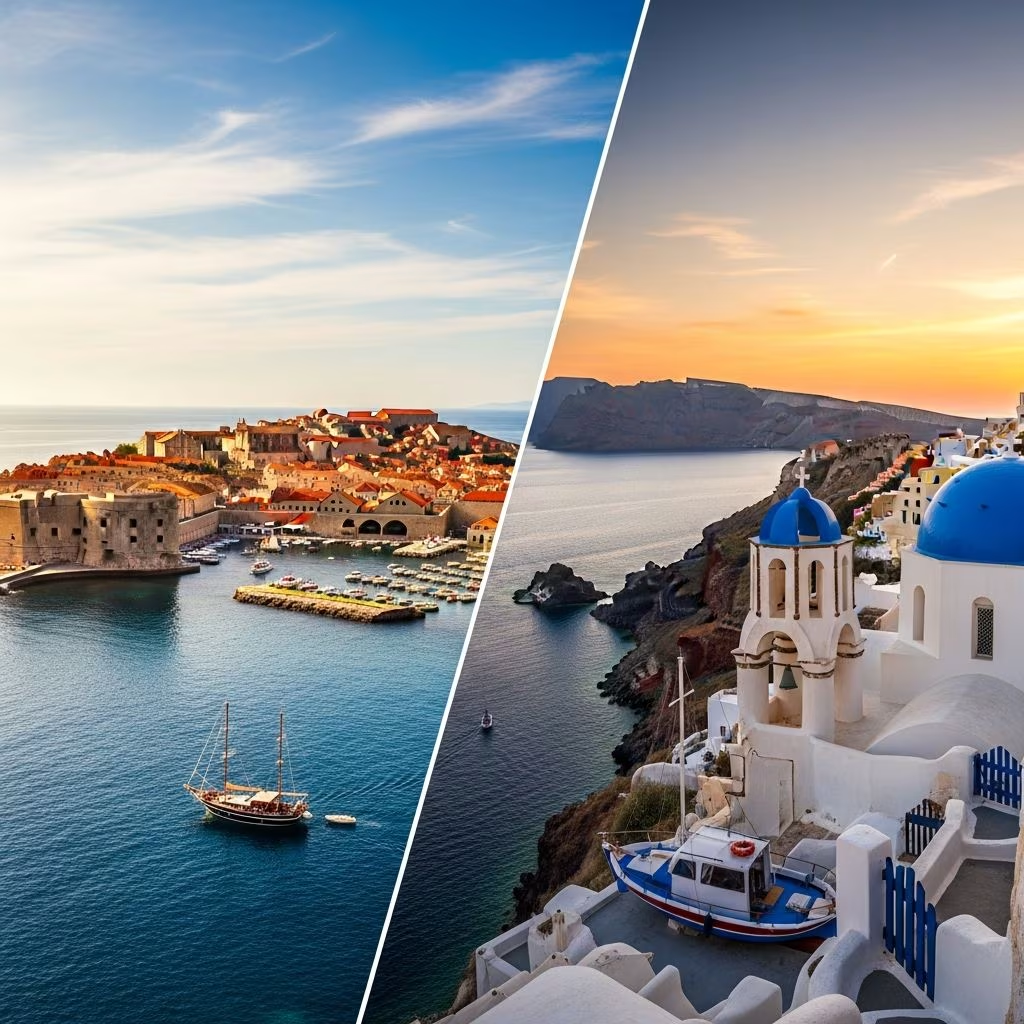
Both Croatia and Greece captivate travelers with their Mediterranean allure, but they deliver distinct experiences shaped by geography, history, and culture. Croatia offers compact coastal adventures with medieval walled cities and crystalline national parks, while Greece sprawls across thousands of islands boasting ancient ruins and mythical landscapes. This guide breaks down the essentials to help you decide based on your priorities, whether it’s relaxation, exploration, or budget.
Croatia’s elongated Adriatic coastline spans about 1,000 kilometers, making it ideal for efficient road trips or sailing itineraries. Visitors can journey from Zagreb in the north to Dubrovnik in the south in roughly 10 days, hitting highlights like Split and national parks along the way. Its compactness suits shorter vacations, with ferries connecting islands like Hvar and Vis seamlessly.
Greece, nearly three times larger, features a mainland dotted with mountains and over 6,000 islands, demanding more planning. Island-hopping often involves flights or long ferries; for instance, Athens to Santorini can take six hours by sea. This setup favors extended stays for immersive exploration across the Cyclades, Ionian, or Dodecanese groups.
| Aspect | Croatia | Greece |
|---|---|---|
| Size & Layout | Compact coastline, easy road/ferry access | Vast mainland + islands, requires flights/ferries |
| Best Trip Duration | 7-14 days | 10-21 days |
| Transport Ease | High (drive coast in days) | Moderate (island logistics complex) |
Croatia enjoys a Mediterranean climate that cools earlier in northern areas, with peak summer (June-August) offering warm days around 28-32°C and calmer seas for swimming. Shoulder seasons (May, September) provide milder weather ideal for hiking without crowds.
Greece’s southern position extends its hot summer into September-October, with temperatures often exceeding 30°C and intense sun. This prolongs beach season but can mean higher humidity and busier sites. Both destinations shine in summer, but Greece’s heat suits water-focused trips more.
Croatia’s pebbly beaches and intimate coves dominate, like those on Vis or Korčula, perfect for snorkeling in transparent waters. Rugged cliffs frame hidden bays accessible by boat, emphasizing seclusion over vast sands.
Greece counters with iconic sandy stretches, such as Elafonissi in Crete or Mykonos’ golden shores, often paired with dramatic backdrops like volcanic cliffs in Santorini. These postcard-perfect spots attract sun-seekers and photographers alike.
Croatia blends Roman, Venetian, and Austro-Hungarian influences in living museums like Diocletian’s Palace in Split or Dubrovnik’s fortified walls. These sites feel immersive, with narrow alleys and sea views evoking Game of Thrones fame.
Greece’s classical legacy shines through the Acropolis in Athens, Delphi’s oracles, and Byzantine monasteries. Mythology infuses sites like Mount Olympus, offering a deeper dive into antiquity.
Daily rhythms differ: Croatia aligns with Central European paces in cities, while Greece holds onto siestas amid lively tavernas.
Croatia excels in accessible watery wonders, including Plitvice Lakes’ cascading waterfalls and Krka’s boardwalk trails. Kornati National Park’s island maze invites boating amid reefs.
Greece pairs rugged hikes like Samaria Gorge with mythic peaks such as Olympus. Island seascapes vary from lush Ionian greens to arid Cycladic vistas.
| Nature Spot | Croatia | Greece |
|---|---|---|
| Water Features | Plitvice, Krka waterfalls | Island coves, gorges |
| Mountains/Hikes | Coastal paths, Paklenica | Olympus, Samaria Gorge |
| Marine Parks | Kornati islands | Diverse archipelagos |
Croatia’s Adriatic cuisine highlights fresh seafood, truffles from Istria, and robust wines like Plavac Mali. Meals often feature olive oil-drizzled octopus or black risotto in harborside konobas.
Greece delivers soulful dishes like moussaka, souvlaki, and feta salads, paired with ouzo or Assyrtiko wines. Island tavernas emphasize simple, herb-infused preparations.
Both promote farm-to-table vibes, but Croatia edges in emerging gourmet scenes with lavender-infused treats on Hvar.
Croatia generally offers better value, with mid-range hotels or apartments at €100-200/night in peak season. Luxury villas in Dubrovnik or Hvar provide Adriatic views affordably.
Greece’s Santorini or Mykonos can hit €300+ for similar luxury due to demand, though Crete or lesser islands keep costs down. Meals and ferries add up quicker here.
Families: Croatia’s compact sites and calm beaches suit kids, with easy drives between attractions.
Couples/Romantics: Greece’s sunset cliffs and private villas in Santorini win for intimacy.
Adventure Seekers: Croatia for kayaking coves; Greece for epic gorge treks.
History Buffs: Greece’s ancient temples; Croatia’s medieval fortresses.
Book ferries early for both, especially Greece’s high-speed options. Croatia’s airports (Zagreb, Split, Dubrovnik) feed directly into the coast; Greece hubs via Athens. EU citizens enjoy seamless entry; others check Schengen rules. Peak crowds hit July-August—opt for May/June or September.
Croatia tends to be slightly more affordable overall, especially for accommodations and island-hopping, though both vary by season and location.
Greece offers more sandy beaches suitable for kids, while Croatia’s pebbles are great for clear swimming but may require water shoes.
Yes, via ferries from Dubrovnik to Corfu or flights between hubs, but it suits longer itineraries (3+ weeks).
Shoulder seasons: May-June or September-October for mild weather and lower prices in both.
Croatia, due to its linear coast and simpler logistics.
Opt for Croatia if you crave a streamlined adventure blending history, nature, and sailing in a bite-sized package. Choose Greece for expansive island myths, timeless ruins, and diverse beach vibes. Both promise unforgettable sun-soaked memories—align your pick with time, budget, and passions.
