


 Food & Culture
Food & Culture
Croatia Wine Regions Guide: Native Grapes, Top Wineries & Tastings
Discover Croatia's premier wine areas, indigenous grapes like Plavac Mali and Malvazija, top wineries, and essential tips for wine lovers planning a trip.
 Food & Culture
Croatia boasts over 300 micro wine regions and more than 130 indigenous grape varieties, producing earthy reds, crisp whites, and sparkling wines that reflect its diverse terroirs from coast to continent.
The Allure of Croatian Viticulture
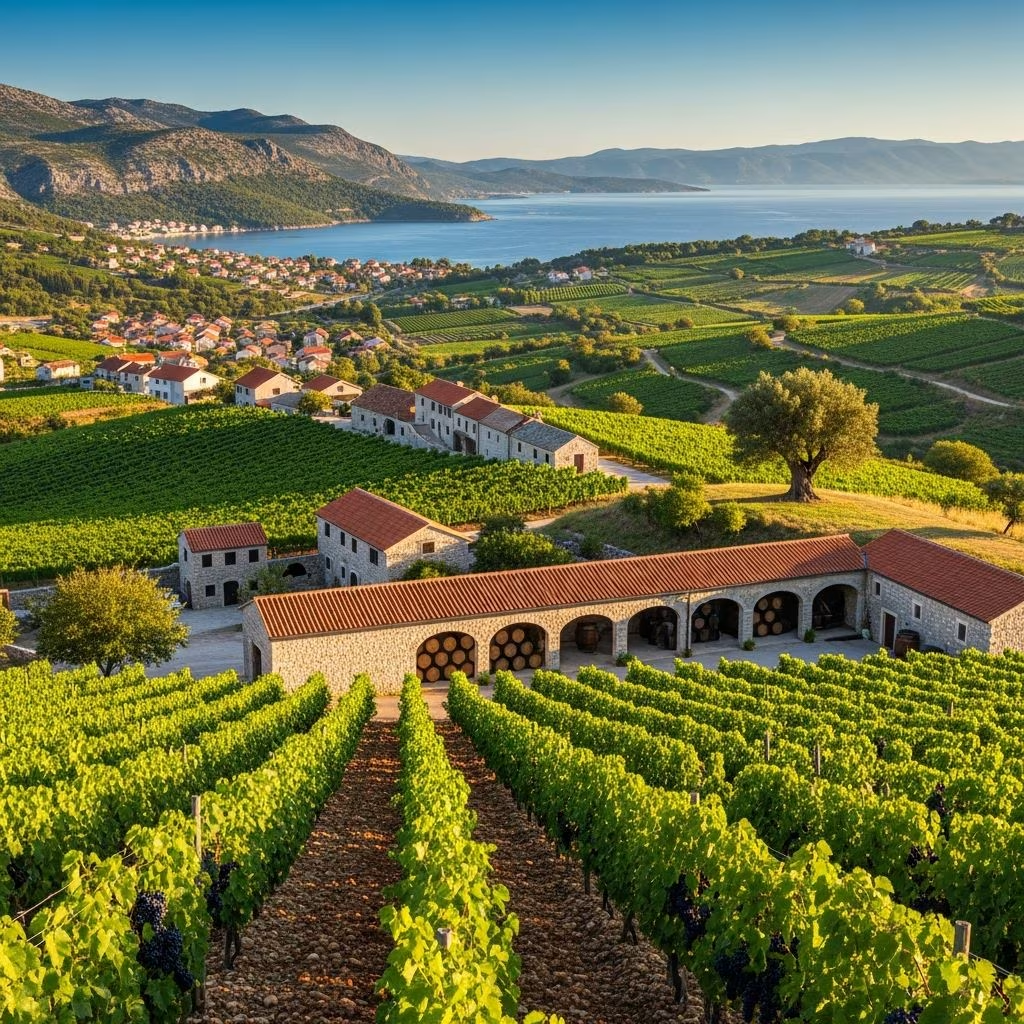
Croatia’s winemaking heritage stretches back millennia, with archaeological evidence of ancient practices in coastal caves and inland cellars. Today, the country divides into four primary zones: coastal (Istria and Kvarner), Dalmatian shores and islands, Slavonian plains, and continental uplands. These areas yield wines shaped by Mediterranean breezes, karst soils, and Pannonian fertility, offering visitors a chance to taste forgotten grapes amid picturesque vineyards.
With around 800 wineries, Croatia emphasizes quality over quantity, focusing on native varietals rather than international staples. Bold reds like Plavac Mali dominate the south, while aromatic whites thrive inland. Pair these with truffles, seafood, or hearty meats for authentic experiences.
Istria and Kvarner: Coastal Elegance
In northwest Croatia, Istria’s rolling hills and truffle-rich forests host crisp whites from **Malvazija Istriana** and robust reds from **Teran**, grown on terra rossa soils under a Mediterranean climate. These wines pair perfectly with fresh seafood and earthy black truffles.
Kvarner, bridging Istria and Dalmatia, features island gems like Krk, where **Žlahtina** produces mineral-driven whites from steep, sea-sprayed vines. Microclimates here create unique profiles, blending salty maritime notes with citrus freshness.
- Top Wineries: Kozlović for elegant Malvazija tours; Kabola in Momjan for amphora-aged experiments; Benvenuti in Motovun emphasizing sustainability.
- Must-Try: Teran reds with game; Istarska Malvazija alongside olive oil tastings.
Visit medieval hill towns like Motovun for panoramic views and wine festivals, where producers showcase biodynamic methods.
Dalmatia: Sun-Kissed Powerhouses
South along the Adriatic, Dalmatia’s terraced vineyards on Pelješac, Korčula, and Hvar produce Croatia’s flagship **Plavac Mali**, a Zinfandel cousin with dark fruit, spice, and smoky depth. Grown on steep, sun-baked slopes, it yields full-bodied reds ideal for grilled lamb.
White stars include **Pošip** from Korčula and rare **Grk** from Lumbarda, offering saline crispness that echoes the sea. Beyond Split, Kaštela and Imotski reveal historic sites with ancient press houses.
| Region | Key Grape | Flavor Profile | Pairing |
|---|---|---|---|
| Pelješac | Plavac Mali | Blackberry, pepper, herbs | Roast meats |
| Korčula | Pošip | Citrus, minerals, salinity | Seafood |
| Vis | Grk | Apple, herbs, flinty | Fish stew |
- Top Wineries: Saints Hills on Pelješac for organic Plavac; Grgić Vina blending Napa expertise; Bire for island Grk.[10]
Dramatic cliffs and azure waters make Dalmatia a visual feast, with boat tours accessing remote plots.
Slavonia and Baranja: Inland Riches
Northeast along the Danube, Slavonia’s fertile plains excel in **Graševina** (Welschriesling), a versatile white with apple and floral notes, plus **Frankovka** (Blaufränkisch) reds and aromatic **Traminac**.
Baranja’s gatori—hill-carved cellars—house barrel-aged treasures. Erdut and Ilok offer riverside estates with centuries-old vaults.
- Top Wineries: Kutjevo, Croatia’s oldest for premium Graševina; Belje as the largest grape producer; Iločki Podrumi for historic Traminac; Josić with fine dining.
Full-bodied wines here complement paprika-rich stews and kulen sausage, rooted in Pannonian traditions.
Continental Uplands: Sparkling Diversity
Around Zagreb, Plešivica, Zagorje, Međimurje, and Moslavina focus on cool-climate whites like **Sauvignon Blanc**, **Pušipel**, **Škrlet**, and **Portugizac** reds, plus méthode traditionnelle sparklers.
Family-run estates innovate with rare grapes amid pastoral scenery.
- Top Wineries: Šember in Plešivica for artisanal fizz; Korak for boutique charm; Bolfan Vinski Vrh biodynamic in Hrašćina.
These areas suit relaxed visits with farm-to-table lunches.
Planning Your Wine Journey
Croatia’s wines shine in protected designations like Dingač and Postup for Plavac Mali. Travel by car for flexibility, or join guided tours from Dubrovnik, Split, or Zagreb. Spring and fall avoid summer crowds; festivals like Istria’s Truffle Days add vibrancy.
Sustainable practices grow, with many estates organic. Taste at enotecas or agritourisms blending wine, food, and lodging.
Signature Grape Varieties
Croatia’s 64+ natives include:
- Plavac Mali: Dalmatia’s king—rich, tannic, appellation-protected.
- Malvazija Istriana: Crisp, peachy whites from Istria.
- Graševina: Slavonia’s everyday elegant white.
- Teran: Istrian red with iron-rich earthiness.
- Žlahtina: Krk’s unique, limestone-kissed grape.
Food and Wine Pairings
- Istria: Malvazija with scampi buzara (prawn stew).
- Dalmatia: Plavac Mali and peka (slow-cooked meat/veggies under bell).
- Slavonia: Graševina with fiš paprikaš (fish stew).
- Uplands: Sparkling with štrukli (cheese pastry).
FAQs
What are Croatia’s most famous wines?
Plavac Mali reds from Dalmatia and Malvazija whites from Istria lead, with Graševina prominent inland.
Best time to visit Croatian vineyards?
May-October for harvests; September peaks with festivals.
Are there wine tours for beginners?
Yes, many wineries offer English tours, tastings, and transport from cities.
How many indigenous grapes does Croatia have?
Over 130, including 64 protected varieties.
Is Croatian wine organic?
Increasingly; seek biodynamic labels at places like Bolfan or Saints Hills.
References
- A guide to Croatia’s wine regions — Lonely Planet. 2023. https://www.lonelyplanet.com/articles/guide-to-wine-regions-in-croatia
- The Traveller’s Guide to Croatian Wine — Anchor Croatia. 2023. https://www.anchorcroatia.com/blog/the-travellers-guide-to-croatian-wine/
- Ultimate Croatia Wine Travel Guide — Wine&more. 2023. https://www.wineandmore.com/ultimate-croatia-wine-travel-guide/
- Wine Tourism in Croatia — WineTourism.com. 2023. https://www.winetourism.com/wine-country/croatia/
- Our Top Croatia Wine Regions — Grand European Travel. 2023. https://www.getours.com/expert-travel-advice/food-drink/our-top-croatia-wine-regions
- Introduction to Croatian Wines — Wine Folly. 2023. https://winefolly.com/deep-dive/introduction-to-croatian-wines/
← Previous
Phnom Penh Travel Guide: History, Culture, Food & Nightlife
Next →
South Carolina Travel Guide: Beaches, Mountains, Food & History
Related Reading
More in Food & Culture
Food & Culture Food & Culture
 Food & Culture
Best Places to Eat in Rome: Neighborhood Dining Guide
 Food & Culture
 Food & Culture