

 Travel Essentials
 Travel Essentials

Discover expert cruise packing strategies covering luggage selection, clothing organization, toiletries, and accessories to maximize your voyage experience.
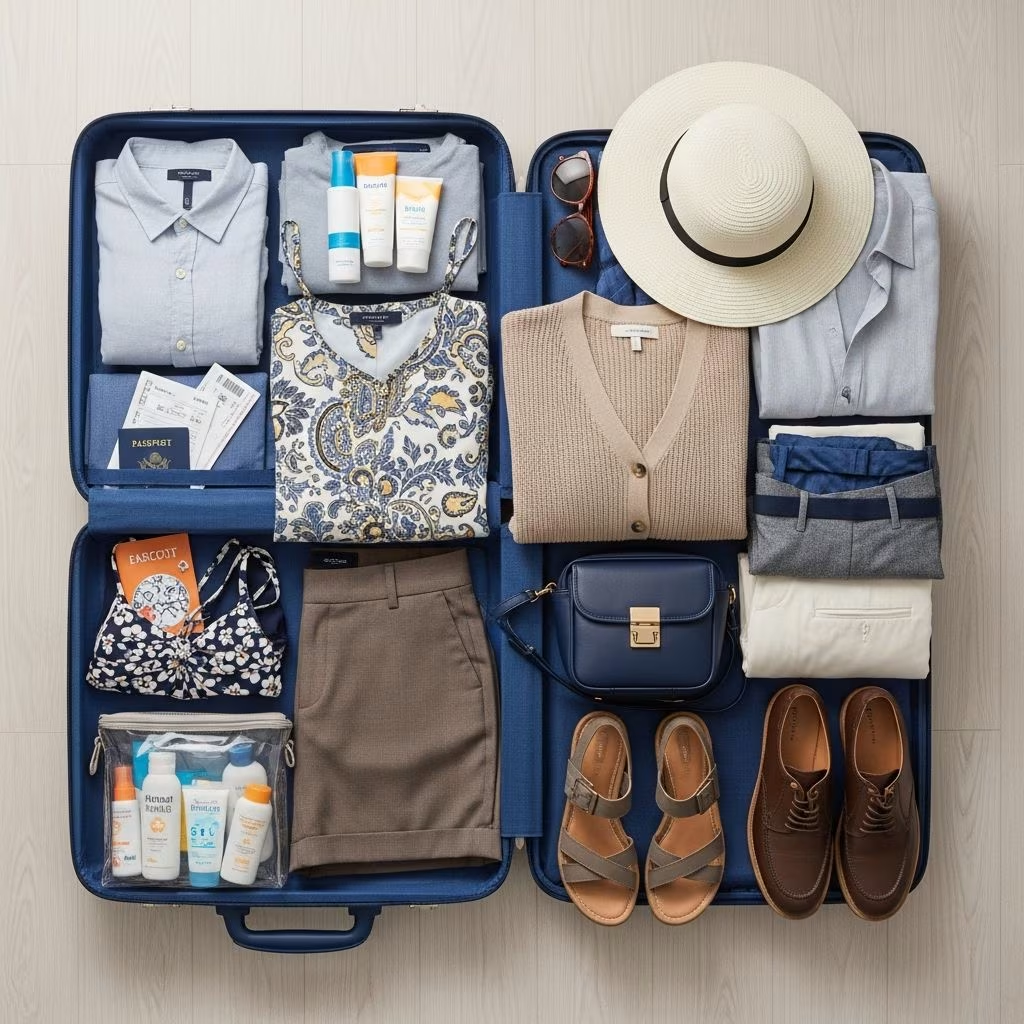 Travel Essentials
Planning a cruise vacation involves more than just booking your cabin and setting a sail date. One of the most critical aspects of preparing for your journey is understanding what to pack and how to pack it efficiently. Whether you’re embarking on a three-day getaway or a week-long voyage across the Caribbean, having the right items and organizing them properly can significantly enhance your comfort and enjoyment onboard. This comprehensive guide draws from experiences of seasoned cruisers and industry professionals to help you navigate the packing process with confidence.
Before you begin filling your suitcase, it’s essential to understand the luggage allowance and restrictions set by your cruise line. Most cruise operators permit passengers to bring one large checked suitcase per person, typically with a weight limit between 50 to 75 pounds, along with a carry-on bag and a personal item. However, these allowances can vary depending on your cabin category or cruise line, so reviewing your booking documents is crucial.
When selecting luggage, prioritize practicality and durability. Hard-shell suitcases offer excellent protection for fragile items, while soft-sided luggage provides flexibility and can be easier to maneuver in tight cabin spaces. Consider whether your suitcase can be stored vertically under a bed, as most cruise ship cabins have limited storage. A collapsible or nesting design allows you to store empty luggage efficiently once you’ve unpacked.
Beyond your primary suitcase, invest in a quality carry-on bag that meets airline dimension requirements and a personal backpack or day pack. These smaller bags serve multiple purposes throughout your journey—holding essentials during airport procedures, storing items during port excursions, and serving as your primary bag for exploring destinations.
The foundation of efficient cruise packing lies in developing a thoughtful clothing strategy. Rather than attempting to pack an outfit for every single day, successful cruisers employ a capsule wardrobe approach where all pieces coordinate and work together in multiple combinations.
Begin by reviewing your cruise itinerary to identify planned activities and events. Note any formal dining nights, casual deck days, port excursions, and special activities. This analysis allows you to select clothing that directly aligns with your planned activities rather than packing items you might never wear.
For a typical week-long cruise, consider packing:
The key principle is selecting pieces in neutral, complementary colors that allow mixing and matching. This strategy enables you to create numerous outfit combinations from fewer individual items, significantly reducing the volume of clothing you must pack.
Shoes deserve special attention in your packing strategy, as improper footwear can compromise your comfort during shore excursions and onboard activities. Most cruisers benefit from packing approximately three to four pairs of shoes that serve multiple purposes rather than specialized footwear for each activity.
Comfortable walking shoes are essential, as port days often involve significant exploration on foot. Consider shoes that can handle both urban environments and casual outdoor settings. Water-resistant or quick-drying options prove valuable if you anticipate beach visits or water-based excursions.
Casual flip-flops or sandals remain indispensable for pool deck access, beach time, and relaxed ship exploration. Choose varieties with adequate arch support if you anticipate extended wearing periods.
For formal dining evenings, pack dress shoes that complement your elegant outfit. However, these needn’t be impractical—many modern dress sandals combine style with wearability for shipboard use.
Your toiletries bag requires thoughtful organization to maximize space while ensuring you have necessary items accessible. Rather than packing full-size bottles of every product you use at home, decant personal care items into travel-sized containers. This approach reduces luggage volume significantly while still providing adequate quantities for your journey.
Essential toiletries to include in your packing list encompass toothpaste, toothbrush, deodorant, shampoo, conditioner, body wash, and moisturizer. While cruise ships typically provide basic amenities in cabins, these items are often limited or may not match your preferences.
Particularly important items that deserve dedicated space include prescription medications in original containers with prescriptions labels, any specialized skincare products you rely on, and personal hygiene items. Reef-safe sunscreen merits special emphasis, as traditional sunscreen formulations can damage marine ecosystems in destinations known for snorkeling or water activities.
Consider packing a small first-aid kit containing adhesive bandages, pain relievers, antacids, and motion-sickness medication. These items prove invaluable for addressing minor health concerns without relying on shipboard medical services or expensive onboard shops.
Beyond standard clothing and toiletries, certain items significantly enhance cruise comfort and convenience. A reusable water bottle allows you to refill potable water throughout the ship, reducing expenses and supporting environmental sustainability. Many cruise lines have embraced eco-friendly policies and offer complimentary water filling stations.
Packing cubes serve a transformative function in cruise packing organization. These fabric compartments compress clothing while keeping different categories separated—one cube for everyday wear, another for formal attire, another for workout clothes. This organization system allows you to locate items quickly without completely unpacking your suitcase in a compact cabin.
A small power strip with multiple outlets provides convenient charging locations for phones, tablets, cameras, and other electronic devices. Most cruise ship cabins feature limited electrical outlets, often positioned inconveniently behind beds or in bathrooms.
Snorkel gear, whether rented onboard or brought from home, significantly impacts your water-based excursion experience. Bringing your own snorkel mask and fins ensures proper fit and familiar equipment, though many cruise lines offer rental options at ports.
A small mesh laundry bag simplifies clothing management between wash cycles, particularly beneficial for separating delicate items or preventing small articles from becoming lost in shared crew laundry facilities. This item proves especially valuable if you’re taking extended cruises requiring mid-voyage laundry use.
Successful cruisers often pack a collapsible tote bag or compact backpack that can be stuffed into their primary luggage. This secondary bag serves multiple functions: carrying items during port excursions, storing wet swimwear and towels after beach activities, and transporting souvenirs acquired during port visits.
Beach bags designed with drainage capabilities prove particularly useful for managing wet items without compromising dry clothing and toiletries. Alternatively, waterproof ziplock bags in various sizes offer affordable organization for wet or sensitive items.
Consider your souvenir acquisition plans when determining secondary baggage needs. If you anticipate shopping at various ports, packing an additional lightweight bag or planning to ship items home may be more practical than attempting to fit everything into your return luggage.
Modern cruise ships maintain cabin interiors with aggressive air conditioning, often resulting in surprisingly cool environments compared to tropical outdoor settings. Packing lightweight layering pieces becomes essential for comfort.
Include one or two lightweight cardigans, a thin flannel shirt, or a casual jacket that easily transitions between outdoor and indoor environments. These layers allow you to remain comfortable during formal dining in air-conditioned restaurants, then quickly shed layers when returning to warm deck areas or ports.
Thermal underlayers provide additional temperature regulation for passengers sensitive to cool indoor environments or those visiting destinations with significant temperature variations between day and evening hours.
Once you’ve identified all items to pack, create a physical or digital checklist organized by category: clothing, toiletries, medications, electronics, and miscellaneous items. This systematic approach prevents forgotten essentials and provides a final verification step before departing for the port.
Pack heavier items at the bottom of your suitcase with lighter items on top to maintain balance and prevent damage to delicate clothing. Utilize every available space by rolling clothes rather than folding, which simultaneously reduces wrinkles and maximizes luggage capacity.
Reserve your carry-on bag exclusively for items you absolutely need immediate access to during travel: medications, eyeglasses, phone chargers, a change of clothes, and travel documents. This strategic allocation ensures you can manage airport procedures and initial embarkation comfortably regardless of checked luggage status.
If you’re embarking on cruises lasting longer than a week, planning for laundry service becomes essential. Most cruise ships offer laundry facilities available to passengers, either self-service at reasonable costs or full-service laundry for premium pricing. Knowing these options allows you to pack less clothing while ensuring an adequate supply of clean items throughout your voyage.
Extended cruises benefit from the capsule wardrobe approach even more significantly. By maximizing mix-and-match potential among your packed items, you can comfortably extend a seven-day wardrobe across ten or fourteen days with strategic laundry scheduling.
