


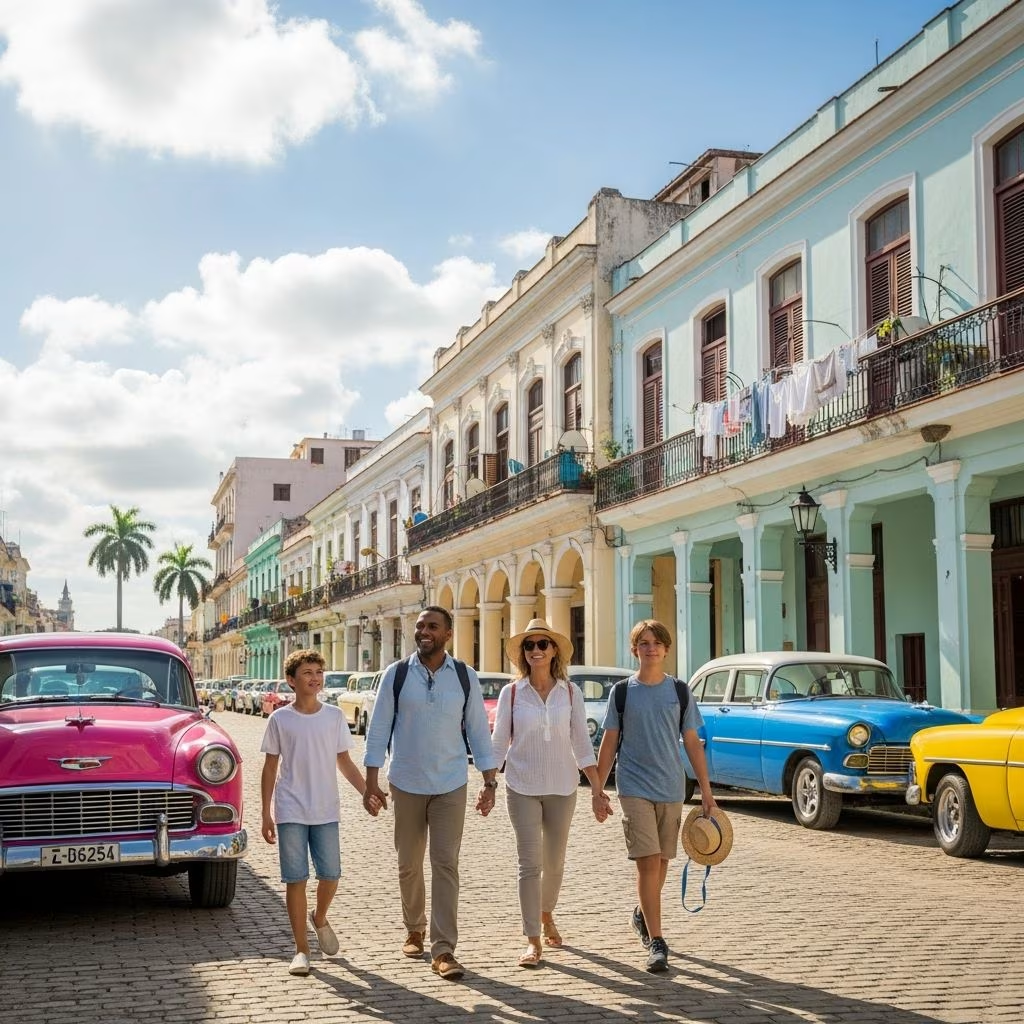
Cuba stands as one of the Caribbean’s most compelling family destinations, offering a remarkable blend of natural wonders, cultural richness, and genuine warmth toward visitors. Parents seeking to expose their children to authentic cultural experiences combined with outdoor adventures will find Cuba delivers on both fronts. The island welcomes families with open arms, featuring child-friendly infrastructure, diverse activities suited for various age groups, and an atmosphere where children are genuinely valued in society. This comprehensive guide explores how to make the most of a family trip to this fascinating Caribbean nation.
Understanding Cuba’s Appeal for Family Travelers
What distinguishes Cuba from conventional family destinations is its unique combination of relaxation and immersive cultural engagement. Unlike theme-park-focused vacation models, Cuba encourages families to integrate with local communities, participate in everyday activities, and experience authentic Caribbean life. Children can observe street performers, engage in impromptu games with local peers, and witness centuries-old traditions firsthand.
The island’s natural attractions cater specifically to families seeking outdoor adventures. Rather than manufactured entertainment, Cuba offers genuine experiences such as cave exploration, waterfall swimming, hiking through pristine landscapes, and beach activities. These experiences often cost significantly less than comparable attractions elsewhere, making Cuba an economical choice for budget-conscious families.
Planning Your Timing and Duration
Selecting the appropriate travel window significantly impacts your Cuba experience. The optimal visiting period extends from December through May, occurring after Atlantic hurricane season concludes and before summer heat intensifies. During these months, weather remains consistently pleasant, with comfortable temperatures and minimal rainfall.
Most families benefit from allocating seven to ten days for their Cuban adventure. This timeframe allows sufficient exploration of multiple regions without rushing through experiences or overwhelming young travelers with excessive transitions. This duration enables visitors to split time between major cities and natural attractions, creating a balanced itinerary.
Geographic Regions Ideal for Families
Havana: The Capital Experience
Cuba’s capital city represents an essential first stop for many families, offering cultural immersion without requiring extensive travel. Havana welcomes children with numerous attractions designed specifically for younger visitors. The Museo de Chocolate showcases artisanal chocolate production within a historic setting, allowing children to observe traditional candy-making processes. Parque Coppelia provides an iconic gathering spot where families enjoy ice cream alongside local residents, creating natural opportunities for cultural exchange.
The Acuario Nacional hosts weekend dolphin and sea-lion performances that consistently captivate children. The Circo Nacional presents circus entertainment under a grand tent, providing spectacular performances featuring acrobats and trained animals. For artistic families, Fusterlandia displays vibrant community art installations that appeal to children’s visual sensibilities.
Evening activities in Havana’s central squares frequently include organized activities for children, such as carousels, performances, and informal gatherings where young visitors can interact with local children. This organic social engagement often provides memories more meaningful than structured attractions.
Viñales: Mountains, Caves, and Rural Culture
Situated in Cuba’s western region, Viñales epitomizes bucolic charm while offering substantial family activities. The landscape features distinctive limestone formations called mogotes, creating a dramatically beautiful environment perfect for photography and exploration. Cavernas de Santo Tomás presents an underground labyrinth that sparks children’s imaginations while providing genuine geological education.
Families can traverse scenic valleys via horse cart or ox cart, experiencing traditional transportation methods while absorbing rural landscape beauty. The tobacco industry dominates the region, and several family-oriented farms welcome visitors to observe cultivation and cigar production processes. These educational visits complement beach relaxation at nearby coastal areas such as Cayo Levisa and María La Gorda.
The combination of outdoor activities including ATV tours, boat excursions through Cuevo del Indio, horseback riding, and zipline adventures creates opportunities for families with varying activity preferences and comfort levels.
Varadero: Beach-Focused Relaxation
Located merely two hours east of Havana, Varadero has established itself as Cuba’s primary beach resort destination. The region features numerous all-inclusive resorts specifically equipped with children’s facilities, making logistics simpler for families prioritizing beach relaxation. Varadero provides extensive water activities including dolphin swimming experiences, bicycle excursions, and traditional beach entertainment.
Nearby Matanzas offers historical attractions including castles and the Cuevas de Bellamar caverns for families seeking to balance beach time with exploration. The town of Cárdenas houses museums telling compelling stories of Cuban history, including narratives about significant cultural events.
Trinidad and Southern Regions
Trinidad represents a picturesque colonial town providing historical immersion for families interested in architecture and cultural heritage. The surrounding region offers diverse activities including mountain expeditions via ex-Soviet army truck, hikes leading to waterfalls, and visits to coffee plantations where children learn agricultural processes.
Hacienda Iznaga-Manacas features a climbable tower offering panoramic views, while surrounding 18th-century ruins encourage exploration and imaginative play. Lake Zaza near Sancti Spíritus provides fishing opportunities for families seeking recreational activities. Playa Ancón offers beach access where children interact with local families, and catamaran excursions to Cayo Blanco enable snorkeling adventures in shallow, safe waters.
Santiago and Eastern Cuba
Cuba’s eastern regions feature distinct characteristics differing from western areas. Santiago de Cuba hosts the renowned Carnival celebration featuring children’s parades and aquatic events, particularly appealing for families visiting during July. The nearby Gran Piedra mountain offers day trip potential, with climbing opportunities and beach access at Siboney where families enjoy swimming and socializing with local communities.
The Casa de la Cerámica provides hands-on pottery experiences allowing children to create and understand traditional craft techniques. The unusual Zoológico de Piedra near Guantánamo features limestone animals carved into mountainsides, offering distinctive visual experiences. Baracoa, Cuba’s oldest city, combines colonial-era forts with beautiful beaches and forested trails where observant children might spot rare endemic birds and colored snails called polymites.
Boat excursions to observe manatees, cave explorations containing pre-Columbian skeletons, and cacao farm visits where families learn chocolate production methods provide educational experiences integrated with natural exploration. Local zoos showcase endangered endemic species, supporting conservation education.
Natural Attractions and Outdoor Adventures
Cuba’s four mountain chains provide extensive hiking opportunities suitable for families with appropriate footwear and reasonable fitness levels. The Sierra Escambray Mountains feature refreshing waterfalls with cool pools perfect for swimming and cooling off during warm days. Soroa mountain resort similarly offers waterfall experiences and natural pool bathing.
Las Terrazas presents a tranquil escape from urban environments, with natural pools allowing swimming and organic interaction with local families. Nearby ziplining and canopy tours, including suspension bridges traversing treetops, provide adventure-seeking families with thrilling yet manageable experiences.
El Nicho waterfall near Cienfuegos impresses families with teal-green terraced pools, including shallow sections perfect for younger children’s water play without requiring advanced swimming abilities. These natural attractions offer alternatives to manufactured entertainment while fostering environmental appreciation.
Cultural Events and Seasonal Celebrations
Timing visits to coincide with cultural events enriches family experiences substantially. The Matanzas International Puppet Festival (Festitim) presents performances that captivate children while introducing traditional puppet artistry. Matanzas also houses a dedicated kids’ entertainment center called Jardín de Pelusin del Monte, combining recreation with dining.
The April Fiesta de la Danza FIDANZ celebrates dance through performances resonating with children, while the Festival de Danza en Paisajes Urbanos showcases street dancing in Havana during April. These cultural events demonstrate how arts integrate into everyday Cuban life rather than remaining confined to formal venues.
Practical Considerations for Family Travel
Transportation Options
Self-drive vacations represent an effective strategy for family travel in Cuba. While roads may contain occasional potholes and inconsistent signage, traffic generally remains light and driving remains straightforward. Families beginning in Havana can rent vehicles and travel at relaxed paces, visiting multiple regions without adhering to rigid tour schedules.
Classic 1950s American automobiles, iconic symbols of Cuba’s unique relationship with the United States, provide memorable transportation and natural conversation starters with local residents. Many families create lasting memories simply through observing this automotive landscape.
Lodging and Accommodations
Casa particulars—privately operated guesthouses—offer family-friendly accommodations throughout Cuba. These establishments often feature knowledgeable hosts who provide personalized recommendations for child-appropriate activities specific to local areas. Hosts frequently suggest evening park activities and cultural events tailored to children’s interests.
All-inclusive resorts, particularly in Varadero and other beach areas, simplify logistics by providing multiple meal options, entertainment, and supervised children’s activities within contained environments. These resorts benefit families prioritizing convenience and predictable schedules.
Accessibility of Attractions
Many Cuban museums and cultural attractions offer free or discounted entry for children under twelve years old, reducing vacation expenses substantially. This child-friendly pricing approach reflects Cuba’s societal values emphasizing educational access for younger generations.
Balancing Cultural and Natural Experiences
Successful Cuban family vacations integrate cultural exploration with natural adventures and relaxation periods. This balance prevents experience fatigue while maximizing learning opportunities. A typical effective itinerary combines cigar workshop or coffee plantation visits with cave exploration, beach swimming, and waterfall hikes. Skilled tour guides can present even formal city tours in child-engaging ways, incorporating stops at ice cream establishments and shaded plazas where families rest and observe street life.
Practical Tips for Cuban Family Travel
- Pack appropriate hiking footwear for mountain exploration and cave visits
- Bring sun protection including high-SPF sunscreen and wide-brimmed hats for extended outdoor activities
- Learn basic Spanish phrases to facilitate communication with local families and enhance cultural exchange
- Participate in evening square activities where local communities gather—these informal events provide authentic cultural immersion
- Allow flexible scheduling to accommodate children’s energy levels and unexpected opportunities
- Bring underwater cameras or waterproof phone cases to document beach and snorkeling experiences
- Consider visiting during shoulder season months (December or May) for fewer crowds while maintaining favorable weather
Frequently Asked Questions
Is Cuba safe for families with children?
Cuba maintains low crime rates against tourists and welcomes children enthusiastically throughout the country. The culture values family interactions, and locals typically ensure children’s safety and comfort. Standard travel precautions apply as with any international destination.
What age groups find Cuba most enjoyable?
Cuba appeals to families with children across age ranges. Young children enjoy beaches and simple animal interactions, while older children appreciate hiking, cave exploration, and cultural events. Teenagers often engage with local youth and appreciate historical narratives and music.
How much does a Cuban family vacation typically cost?
Cuba offers economical vacation options compared to many Caribbean destinations. All-inclusive resorts range from budget to mid-range, while casa particular stays and self-catering options provide further savings. Many attractions cost minimal amounts or are free.
What should families pack for Cuban travel?
Essentials include sun protection, casual comfortable clothing suitable for warm weather, sturdy walking shoes, and any necessary medications. Cuba’s supply chains may limit availability of specific items, so packing complete medication supplies and basic toiletries proves prudent.
Are English speakers readily available in Cuba?
While Spanish dominates, tourist areas feature English speakers. Learning basic Spanish facilitates meaningful interactions with locals and enriches the cultural experience beyond typical tourist interactions.
Creating Memorable Cuban Experiences
Cuba distinguishes itself through authentic cultural integration rather than manufactured attractions. Families return from Cuban vacations with stories of baseball games played with stick and bottle-top alongside local children, impromptu musical performances, and genuine connections with residents. These organic experiences typically create more lasting memories than conventional theme park visits.
Children absorb Cuban culture through participation—dancing in streets during festivals, observing artisans creating crafts, swimming in natural pools with local families, and tasting foods at modest family restaurants. This immersive approach develops cultural awareness and global perspective while creating family bonding moments.
Cuba’s tourism infrastructure, while different from mainstream destinations, proves adequate and often superior through personal touches and authentic hospitality. Families seeking alternatives to conventional vacation models discover Cuba offers remarkable value, genuine cultural richness, and profound connection opportunities rarely available in heavily commercialized tourist destinations.
References
- The Best Things to Do in Cuba with Kids — Lonely Planet. Accessed April 23, 2026. https://www.lonelyplanet.com/articles/cuba-with-kids
- Family Travel in Cuba — Responsible Travel. Accessed April 23, 2026. https://www.responsiblevacation.com/vacations/cuba/travel-guide/cuba-with-kids
- Tips for Visiting Cuba with Kids — Vacation Mavens Travel Podcast. Accessed April 23, 2026. https://vacationmavens.com/176-tips-for-visiting-cuba-with-kids/

