


 Food & Culture
Food & Culture
Cuban Coffee in Miami: History, Culture, and Best Cafecitos
Explore the rich history and social significance of Cuban coffee culture in Miami, from ventanitas to traditional brewing methods and must-visit coffee destinations.
 Food & Culture
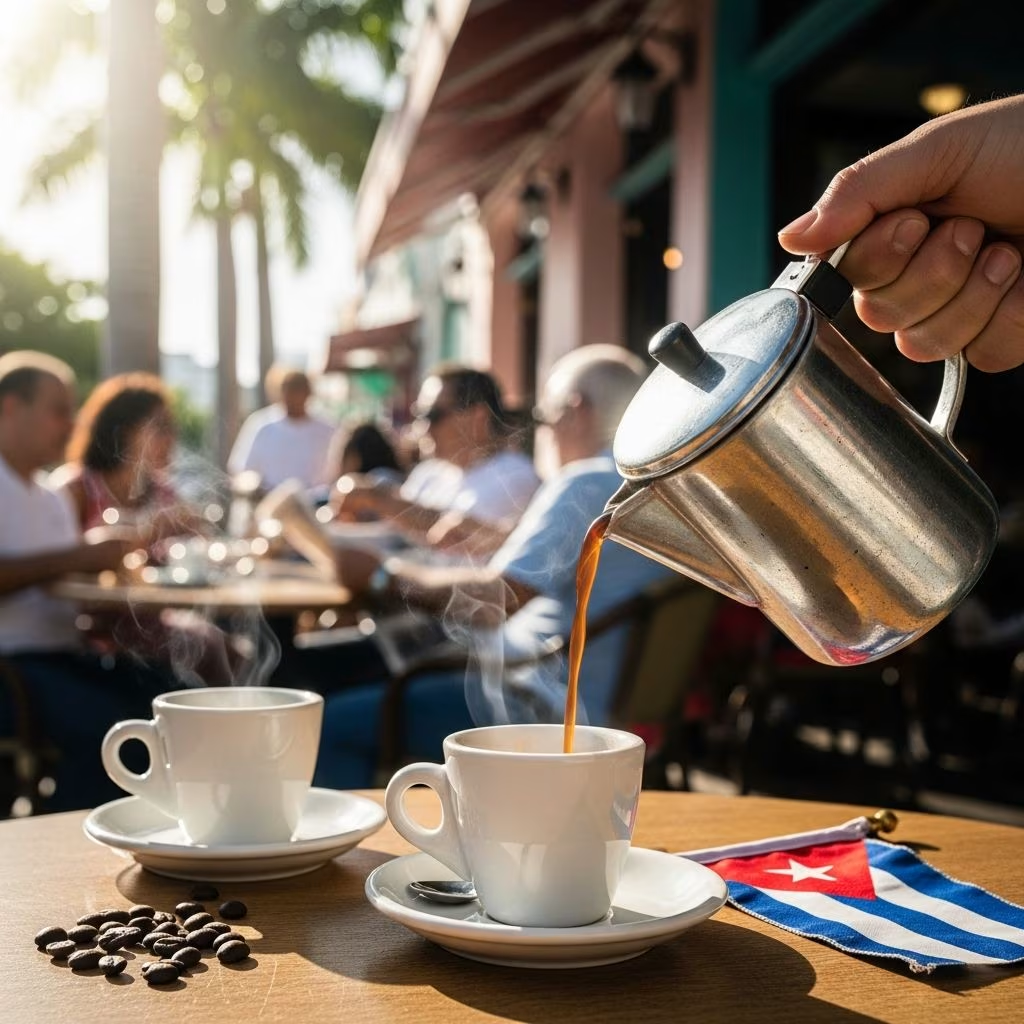
Miami’s relationship with coffee extends far beyond the simple act of consuming a morning beverage. The city’s coffee culture represents a living connection to Cuban heritage, shaped by decades of migration, cultural preservation, and community values. What began as a practical solution during rationed times has evolved into a defining characteristic of Miami’s identity, blending tradition with modern urban life in distinctive ways.
Historical Roots: From Island to American Shores
Understanding Miami’s coffee landscape requires examining the journey that brought this tradition northward. Coffee arrived in Cuba during the mid-18th century, finding ideal growing conditions in the island’s humid climate and fertile soil. By the late 1700s, production flourished, particularly after French farmers fleeing the Haitian Revolution established plantations in Cuba. The industry expanded dramatically, with coffee exports eventually surpassing sugar production by the 1820s.
The trajectory changed dramatically in 1959 when Fidel Castro’s revolution prompted mass migration to the United States. Millions of Cubans sought new lives in Florida, drawn by familiar weather, geographic proximity to their homeland, and existing Spanish-speaking communities. This demographic shift fundamentally transformed Miami’s cultural and culinary landscape.
During the revolutionary period in Cuba, strict rationing limited citizens to just four ounces of coffee monthly. To stretch this precious resource, locals mixed ground coffee with roasted chickpeas and prepared drinks in minimal quantities. These adaptive practices became ingrained in Cuban coffee culture and persist in Miami today, even when rationing is no longer a necessity. The methods represent more than efficiency—they embody cultural memory and resilience.
The Social Fabric: Coffee as Connection
In Miami, coffee consumption fundamentally differs from typical American coffee culture. Rather than emphasizing bean origin, roast profiles, or brewing techniques, Cuban coffee prioritizes socializing and community engagement. A single cafecito or shared colada becomes an opportunity for connection, conversation, and cultural expression.
The iconic ventanita—a small service window or walk-up counter—serves as the physical embodiment of this social tradition. Scattered throughout Miami’s neighborhoods, particularly concentrated in Little Havana, these modest establishments function as informal gathering spaces where neighbors, coworkers, and friends intersect over strong, sweet coffee. Vendors call out affectionate greetings, addressing customers as “mi amor” (my love), reinforcing the warmth and familiarity that characterize these encounters.
This café culture mirrors patterns observed in other Latin American cities, most notably Brazil, where residents traditionally enjoy quick coffee shots at standing counters. However, Miami’s version carries distinct Cuban characteristics, reflecting the specific ways Cuban migrants adapted their traditions to American urban environments.
Understanding Cuban Coffee Varieties
Miami’s coffee menu contains several distinct preparations, each with specific characteristics and social contexts:
The Cafecito
The cafecito represents the quintessential Cuban coffee experience—a small, two-ounce shot of highly sweetened espresso topped with espumita, a layer of creamy foam created by whipping sugar with a small amount of hot coffee. This diminutive but intense drink provides an immediate caffeine boost while embodying Cuban coffee aesthetics and taste preferences. For many Miami residents, a morning cafecito marks the beginning of their day.
The Colada
Perhaps the most emblematic Cuban coffee drink, the colada (also called café cubano) consists of a full Styrofoam cup containing three to six espresso shots mixed with generous quantities of sugar and topped with espumita. The defining characteristic of a colada involves its communal aspect—the beverage arrives with multiple small plastic cups (thimble-sized), designed specifically for sharing. A single colada becomes a social ritual, with friends, family members, or colleagues each receiving their portion. This sharing tradition reinforces bonds and facilitates conversation, transforming a caffeine delivery system into a relationship-building activity.
The Cortadito
A cortadito blends espresso with a small amount of steamed milk, creating a drink that balances the intensity of Cuban coffee with subtle creaminess. The name literally means “cut” in Spanish, referring to how the milk “cuts” the strong espresso. This preparation appeals to those seeking coffee’s bold flavor without its full intensity, making it a popular choice throughout the day.
Café con Leche
Café con leche combines strong Cuban coffee with a larger proportion of steamed milk, creating a gentler, more approachable beverage. Traditionally served in larger cups than other Cuban coffee preparations, it functions as a breakfast drink, often accompanied by pastries or pan con mantequilla (Cuban toast with butter). The preparation method emphasizes balance rather than intensity.
Distinctive Characteristics of Cuban Coffee
Cuban coffee preparations share several defining features that distinguish them from mainstream American coffee culture:
- Dark Roast Foundation: Cuban coffee typically employs low-quality, darkly roasted beans that produce bold, bitter flavors. Rather than viewing this as a limitation, this roasting style is intentional, creating the distinctive taste that defines the tradition.
- Espumita Topping: The creamy foam layer created by beating sugar with hot coffee represents an aesthetic and textural hallmark. This faux crema provides visual appeal and adds sweetness in concentrated form.
- Aggressive Sweetening: Unlike mainstream coffee culture’s trend toward minimal sweetening, Cuban coffee embraces sugar as a core component. The sweetness balances the bitterness of dark roasts, creating a distinctive flavor profile.
- Preparation Methods: While café can be prepared at home using Moka pots (stovetop espresso makers), the ventanita experience represents the authentic social consumption method.
Iconic Miami Coffee Destinations
Several establishments have achieved legendary status within Miami’s Cuban coffee landscape:
Versailles
Located in Little Havana on Calle Ocho (SW 8th Street), Versailles stands as perhaps the most iconic Cuban restaurant and coffee destination in Miami. The establishment operates both as a full-service restaurant and as a smaller café featuring a dedicated coffee counter. Beyond serving as a visitor destination, Versailles functions as a cultural landmark where locals and international figures alike experience Miami’s Cuban coffee tradition.
La Carreta
Operated by the same ownership as Versailles, La Carreta offers classic Cuban coffee drinks and pairs them with traditional accompaniments like pan con mantequilla leche (Cuban toast with milk). The chain has expanded throughout Miami while maintaining authentic preparation methods and community focus.
Islas Canarias
With locations in Kendall and Dadeland, Islas Canarias combines authentic Cuban coffee with traditional croquetas and maintains the charm of genuine neighborhood establishments. The venue attracts both longtime residents and those seeking genuine Cuban coffee experiences.
Mary’s Cafe & Coin Laundry
Operating around the clock, Mary’s Cafe occupies a unique position in Miami’s coffee landscape by combining laundry facilities with a coffee counter. This unconventional pairing perfectly captures the practical, community-oriented nature of Cuban coffee culture, allowing residents to handle daily tasks while enjoying cortaditos and pan con bistec (Cuban sandwich with toast).
Tinta y Cafe
Representing a more contemporary approach to Cuban coffee service, Tinta y Cafe operates with a Starbucks-style format while maintaining commitment to traditional Cuban coffee preparations. This hybrid model appeals to customers seeking familiar retail environments alongside authentic beverage traditions.
The Commercial Side: Cafe Bustelo’s Influence
Interestingly, the most visible Cuban coffee brand in Miami—Cafe Bustelo—originated with a Spanish immigrant rather than a Cuban one. Gregorio Bustelo established the brand in East Harlem during the 1920s to serve Latino immigrant communities. Despite this Spanish origin, Cafe Bustelo became deeply embedded in Miami’s Cuban coffee culture and remains prominently advertised throughout the city with massive billboards welcoming visitors from Interstate 95.
The brand’s integration into Miami culture demonstrates how commercial products can become associated with cultural traditions through long-term community use and acceptance, even when original ownership differs from the cultural group most identified with the product.
The Embargo’s Impact on Coffee Sourcing
A paradoxical element of Miami’s Cuban coffee tradition involves the sourcing of actual coffee beans. The ongoing United States embargo against Cuba makes it extremely difficult to import authentic Cuban coffee beans to American shores. Consequently, the coffee served at Miami’s ventanitas typically uses beans sourced from other origins, despite the strong Cuban identity of the preparation methods and cultural context. This reality reflects the broader ways that political circumstances shape cultural practices.
Navigating the Miami Coffee Experience
For visitors and newcomers unfamiliar with Cuban coffee terminology and customs, several guidelines facilitate authentic participation:
- Begin with a cafecito for a concentrated introduction to Cuban coffee intensity
- Request a colada when anticipating social interaction or group consumption
- Choose cortadito for a balanced approach combining espresso and milk
- Visit ventanitas during mid-afternoon when social activity peaks, particularly around 3 PM when offices and medical facilities pause for coffee breaks
- Embrace the standing counter experience rather than seeking seated consumption areas
- Engage with vendors and fellow customers, recognizing coffee as a social rather than purely caffeinated experience
Evolution and Contemporary Relevance
While Cuban coffee traditions remain deeply rooted in historical practices and cultural identity, Miami’s coffee landscape continues evolving. Younger generations balance traditional preferences with contemporary coffee trends, though the ventanita model and core preparation methods persist as central to Miami’s identity.
The tradition demonstrates remarkable resilience precisely because it serves functions beyond caffeine delivery. Cuban coffee provides cultural continuity, facilitates community connection, and offers affordable social gathering spaces in an increasingly expensive urban environment. These social and cultural dimensions ensure the tradition’s relevance across generations.
Conclusion: More Than a Morning Beverage
Cuban coffee in Miami represents far more than a morning ritual or caffeine delivery system. It embodies cultural memory, community values, historical resilience, and the ways immigrant communities adapt their traditions within new geographic contexts. The ventanitas dotting Miami’s neighborhoods, the social sharing of coladas, and the intense pleasure of a perfectly prepared cafecito collectively constitute a living cultural practice that continues defining Miami’s identity.
Understanding Cuban coffee culture provides insight into broader aspects of Miami’s character—its emphasis on community over consumption, its preservation of cultural heritage despite external pressures, and its creation of informal public spaces where diverse residents intersect daily. Whether experienced as a casual visitor or cherished daily ritual by longtime residents, Cuban coffee remains central to how Miami experiences and expresses its Cuban heritage.
References
- Where To Find The Best Cuban Coffee in Miami — Burger Beast. https://burgerbeast.com/best-cuban-coffee-miami/
- Coffee Culture in Miami — Eating The World. https://eatingtheworld.net/2014/01/22/coffee-culture-in-miami/
- A Guide to Miami Coffee Culture — Perfect Daily Grind. 2020-05. https://perfectdailygrind.com/2020/05/a-guide-to-miami-coffee-culture/
- A Little History of the Cuban Coffee Community in Miami — Interiors by Steven G. https://www.interiorsbysteveng.com/a-little-history-of-the-cuban-coffee-community-in-miami/
- Cuban coffee, what it is and where to find it in Miami — Little Havana Food Tours. 2020-09-14. https://littlehavanafoodtours.com/2020/09/14/cuban-coffee-what-it-is-and-where-to-find-it-in-miami/
On This Page
Historical Roots: From Island to American Shores The Social Fabric: Coffee as Connection Understanding Cuban Coffee Varieties Distinctive Characteristics of Cuban Coffee Iconic Miami Coffee Destinations The Commercial Side: Cafe Bustelo's Influence The Embargo's Impact on Coffee Sourcing Navigating the Miami Coffee Experience Evolution and Contemporary Relevance Conclusion: More Than a Morning Beverage← Previous
Best Bike Routes in Valencia: City, Beach & Nature Rides
Next →
Free Things to Do in Miami: Beaches, Art, Parks & More
Related Reading
More in Food & Culture
Food & Culture Food & Culture
 Food & Culture
Best Places to Eat in Rome: Neighborhood Dining Guide
 Food & Culture
 Food & Culture