


 Food & Culture
Food & Culture
Culinary Agritourism: Farm-to-Table Travel Experiences
Learn how agricultural tourism combines farming with culinary exploration, offering travelers immersive experiences that celebrate local food traditions, sustainable practices, and regional terroir.
 Food & Culture
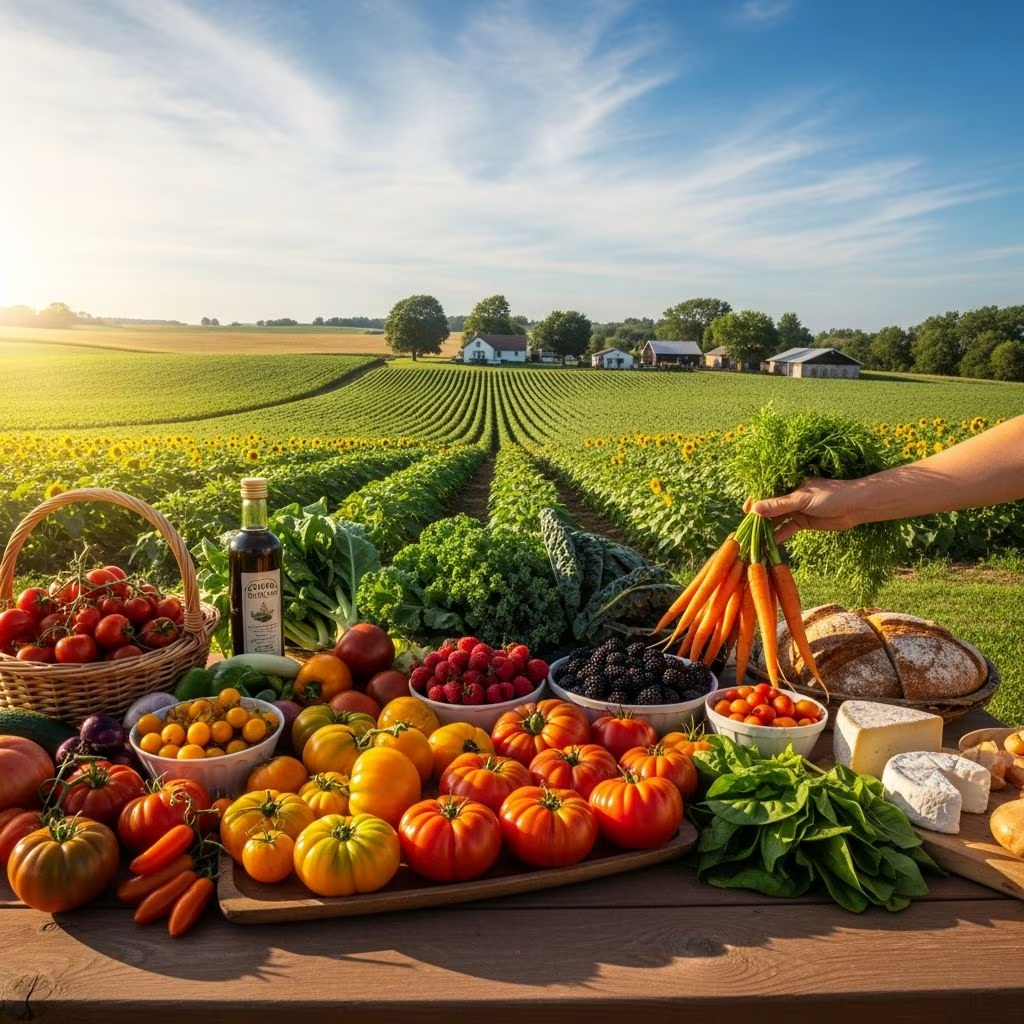
The intersection of agriculture and travel has created a dynamic tourism sector that appeals to modern explorers seeking authentic connections with food, land, and culture. As travelers increasingly prioritize meaningful experiences over passive sightseeing, the blend of working farms, culinary education, and sustainable practices has become a compelling alternative to conventional tourism. This movement reflects a broader shift in how people approach vacation planning, with many now seeking destinations that offer both personal enrichment and a deeper understanding of where their food originates.
Understanding the Agricultural Tourism Landscape
Agricultural tourism, commonly referred to as agritourism or agriturismo in Mediterranean regions, encompasses a diverse range of activities centered on working farms and rural agricultural environments. At its core, this form of tourism invites visitors to participate in and observe farming operations, from traditional harvesting techniques to modern sustainable agriculture practices. The sector attracts visitors for multiple purposes: direct product purchases, educational workshops, recreational activities, cultural experiences, and entertainment opportunities.
What distinguishes agricultural tourism from typical rural vacations is its emphasis on active participation and hands-on learning. Rather than simply viewing farms from a distance, visitors engage directly with farmers and agricultural producers, gaining insight into cultivation methods, production processes, and the challenges of modern food production. This immersive approach transforms tourism into an educational journey that connects travelers with the practical realities of agriculture.
The Rise of Culinary-Focused Farm Experiences
The convergence of farm tourism with culinary interests has created a specialized niche known as culinary agritourism. This approach brings together food and agriculture by facilitating authentic interactions between travelers, farmers, growers, and chefs, ultimately leading to discoveries about regionally distinctive foods and beverages. The growth of this sector has been fueled by several interconnected trends: the farm-to-table movement’s increased visibility, consumer curiosity about food origins, and a widespread desire for experiences that feel genuine and culturally rooted.
Today’s travelers, particularly younger demographics, actively seek experiences that transcend typical tourism activities. They want to understand production methods, meet the people behind their food, and participate in traditions that connect them to local communities. Culinary agritourism satisfies these desires by positioning farms as destinations where visitors can taste, learn, and engage simultaneously.
Who Travels for Agricultural and Food Experiences?
Agricultural tourists and food-focused travelers represent diverse demographics and motivations. Visitors range from European travelers embarking on multi-week journeys through agricultural regions to gourmet enthusiasts seeking specialized tasting experiences. The audience is not monolithic; instead, culinary and agricultural tourists arrive with varying expectations, budgets, and interests.
A significant portion of this demographic identifies with “foodie” culture, a term that has evolved considerably since its emergence in the early 1980s. Modern foodies are characterized as individuals with enthusiastic interests in food exploration, diverse culinary experiences, and preparation methods. Unlike gourmets who emphasize expensive, high-quality cuisine, foodies embrace curiosity and willingness to explore food across all price points—from street food vendors to fine dining establishments. Importantly, many younger travelers engage in culinary exploration without formally identifying as foodies, suggesting the appeal extends beyond self-identified food enthusiasts to anyone interested in authentic, novel experiences.
Key Activities and Offerings on Agricultural Farms
Agricultural tourism destinations provide varied activities that cater to different interests and comfort levels. Traditional experiences include:
- Seasonal harvest participation, where guests assist with picking crops and learn about timing, quality assessment, and post-harvest handling
- Artisan product demonstrations, such as cheese-making, olive oil production, wine fermentation, and other value-added agricultural products
- Cooking classes utilizing farm-fresh ingredients, taught by professional chefs or experienced farm residents
- Farm-to-table dining experiences featuring multi-course meals prepared with ingredients harvested that day or recently produced on-site
- Educational workshops on sustainable farming practices, organic cultivation methods, and environmental stewardship
- Cultural and historical tours explaining regional agricultural traditions, heritage crop varieties, and agricultural heritage
- Outdoor recreational activities including horseback riding, vineyard walks, bicycle tours, and hiking through agricultural landscapes
- Wine and beverage tastings paired with local cheeses, cured meats, and artisan products
These activities reflect the flexibility of agricultural tourism as a vehicle for promoting local food systems, educational opportunities, and sustainable development. Farms can customize their offerings based on their specific products, seasonal opportunities, and visitor interests.
Regional Models and International Examples
Different regions have developed distinctive approaches to agricultural tourism, each reflecting local agricultural traditions and cultural values. Italian agriturismo represents one of the most established models, with traditional farmhouses (fattorias) offering immersive experiences in Tuscany and other wine-producing regions. These establishments typically feature food and wine tastings showcasing locally-produced cheeses, virgin olive oil, saffron, dried pasta, and wines, all produced using organic and biodynamic methods. Visitors often participate in guided tours through rolling vineyards, centennial olive groves, and truffle forests, then enjoy meals prepared with ingredients sourced directly from the property.
Other regions have developed their own models emphasizing local characteristics. South African agritourism has incorporated initiatives focused on revitalizing indigenous plant cultivation for culinary and medicinal purposes, demonstrating how agricultural tourism can support both cultural preservation and economic development. Cross-agency collaboration in various regions has strengthened agritourism offerings by creating comprehensive regional packages and coordinated marketing efforts.
The Business Case for Farms Diversifying Into Culinary Tourism
For working farms, culinary agritourism presents significant economic opportunities. As farms face pressure from consolidation and changing market conditions, offering hospitality services and culinary experiences provides additional revenue streams and customer engagement opportunities. By transforming their properties into destinations, farms can establish direct relationships with consumers, reduce dependence on wholesale markets, and build brand loyalty through personal connections.
The diversity of potential experiences allows farms to adapt offerings to their specific resources and strengths. A vineyard naturally focuses on wine education and tastings, while a vegetable operation might emphasize cooking classes and harvest participation. Farms can also benefit from collaboration with neighboring producers, creating regional networks that offer visitors comprehensive culinary and agricultural itineraries. This collaborative approach expands individual farm offerings while strengthening the broader agricultural tourism ecosystem.
Celebrating Regional Identity and Terroir
A central philosophy underlying culinary agritourism is the celebration of regional identity through food and agriculture. The concept of terroir—encompassing the environmental factors that influence agricultural products, including soil, climate, topography, and cultural practices—becomes tangible when visitors engage directly with the land and its stewards. Rather than treating terroir as an abstract marketing concept, agricultural tourism experiences demonstrate how geography, tradition, and human knowledge combine to create distinctive food products.
This celebration extends beyond commodity products to include heritage varieties, traditional breeds, and artisan techniques less commonly available in contemporary food systems. By visiting farms and meeting producers, travelers develop appreciation for genetic diversity, sustainable practices, and the knowledge embedded in traditional farming methods. This understanding often translates into more conscious food choices after travelers return home, extending the impact of their agricultural tourism experiences.
Sustainability and Responsible Agricultural Tourism
Many agricultural tourism operations emphasize sustainable and ecologically conscious practices as core components of their visitor experiences. Farms often showcase biodynamic farming methods, organic certification, water conservation techniques, and biodiversity initiatives, allowing visitors to understand sustainable agriculture beyond theoretical frameworks. This educational component aligns with broader traveler concerns about environmental impact and supports the positioning of agricultural tourism as a responsible travel option.
Responsible agricultural tourism also considers the wellbeing of farming communities and local economies. When travelers purchase products directly from farms, stay at farm accommodations, and participate in farm-based activities, money flows directly to agricultural producers rather than through intermediary corporations. This economic structure can strengthen rural communities and support the long-term viability of farming operations, particularly smaller-scale producers facing market pressures.
Planning Your Agricultural and Culinary Travel Experience
| Experience Type | Best Season | Typical Duration | Physical Demands |
|---|---|---|---|
| Harvest Participation | Late summer through fall | 1-3 days | Moderate to high |
| Cooking Classes | Year-round | Half-day to full-day | Low |
| Wine Tastings | Year-round | 2-4 hours | Low |
| Farm Stays | Spring through fall | 2-7 days | Low to moderate |
| Guided Agricultural Tours | Spring through fall | 2-4 hours | Low to moderate |
Prospective agricultural tourists should consider several factors when planning their trips. Seasonality significantly affects available activities—harvest seasons are typically late summer through fall, while dormant seasons may offer different educational opportunities. Duration preferences range from half-day experiences to week-long immersions, allowing flexibility for different travel schedules and interests. Physical demands vary considerably, with some activities suitable for travelers of all abilities while others require moderate hiking or harvest participation.
Frequently Asked Questions About Agricultural Tourism
What experience level is required for agricultural activities?
Most agricultural tourism destinations welcome visitors regardless of farming experience. Activities are designed to accommodate beginners, though some specialized experiences may require certain physical capabilities. Farms typically provide instruction and equipment, making activities accessible to most travelers.
Is agricultural tourism suitable for families with children?
Yes, many agricultural tourism operations specifically design family-friendly experiences. Harvest participation, farm animals, cooking classes, and educational workshops appeal to children while engaging adults. Families should confirm age-appropriateness of specific activities when booking.
What should travelers pack for agricultural tourism experiences?
Appropriate clothing for outdoor activities, sturdy footwear suitable for rural terrain, sun protection, and layers for variable weather are essential. Activities involving harvest participation may require work gloves or specific attire. Farms typically provide guidance about appropriate dress.
How far in advance should agricultural tourism be booked?
Popular experiences, particularly during peak seasons, should be reserved several weeks in advance. Some farms accept walk-in visitors, though advance booking ensures availability and allows farms to prepare adequately. Off-season visits may offer more flexibility.
Are dietary restrictions accommodated in farm dining experiences?
Most agricultural tourism destinations focus on locally-sourced, fresh ingredients and can typically accommodate common dietary restrictions. However, travelers should communicate dietary needs during booking to ensure appropriate meal planning.
The Future of Culinary Agricultural Travel
The agricultural tourism sector continues expanding as travelers increasingly value authentic experiences and direct connections with food production. Growing interest in sustainable travel, farm-to-table cuisine, and experiential education suggests this trend will accelerate. Farms increasingly recognize agricultural tourism as integral to their business strategies rather than supplementary income, leading to more sophisticated and diverse offerings.
The sector’s growth also reflects broader cultural shifts toward valuing local producers, supporting small-scale agriculture, and understanding food systems. As younger generations prioritize experiences and sustainability, agricultural tourism positions itself as a responsible alternative to conventional tourism while supporting rural communities and sustainable farming practices.
Agricultural and culinary tourism represents more than vacation activity—it embodies a conscious choice to engage directly with food production, support local communities, and develop deeper understanding of agricultural systems. By visiting farms, learning from producers, and tasting regionally distinctive products, travelers contribute to a more transparent, sustainable, and locally-connected food system while creating memorable experiences grounded in authentic cultural and agricultural traditions.
References
- Inspiration from Different Approaches to Agritourism — World Food Travel Association. https://www.worldfoodtravel.org/inspiration-from-approaches-to-agritourism
- Culinary and Agritourism — Washington State Department of Agriculture. https://cms.agr.wa.gov/WSDAKentico/Documents/DO/RM/RM/14_CulinaryAndAgritourism.pdf
- The Food Adventurer Formula for Agritourism Success — White Hutchinson Leisure & Learning Group. July 2025. https://www.whitehutchinson.com/news/agrinews/2025/july/article104.shtml
- Luxury Agritourism in Italy: Our Guide to Your Best Farm Stay in Italy — Le Collectionist. https://magazine.lecollectionist.com/en/luxury-agritourism-in-italy
On This Page
Understanding the Agricultural Tourism Landscape The Rise of Culinary-Focused Farm Experiences Who Travels for Agricultural and Food Experiences? Key Activities and Offerings on Agricultural Farms Regional Models and International Examples The Business Case for Farms Diversifying Into Culinary Tourism Celebrating Regional Identity and Terroir Sustainability and Responsible Agricultural Tourism Planning Your Agricultural and Culinary Travel Experience Frequently Asked Questions About Agricultural Tourism The Future of Culinary Agricultural Travel← Previous
Destination Wedding Planning Guide: Top Locations, Costs & Tips
Next →
World’s Most Scenic Train Journeys and Luxury Rail Trips
Related Reading
More in Food & Culture
Food & Culture Food & Culture
 Food & Culture
Best Places to Eat in Rome: Neighborhood Dining Guide
 Food & Culture
 Food & Culture