


 Food & Culture
Food & Culture
Culinary Tourism: Authentic Food Experiences That Connect Travelers and Culture
Culinary tourism turns meals into cultural exchange, connecting travelers with local home cooks, traditions, and authentic regional flavors.
 Food & Culture
Food has always been a gateway to understanding a culture. Rather than viewing meals as mere sustenance during travel, an emerging movement in tourism emphasizes food as a bridge between travelers and local communities. This approach transforms dining from a tourist activity into a genuine cultural exchange, where visitors gain insight into family traditions, regional ingredients, and the stories that shape a destination’s culinary identity.
The Evolution of Food-Based Travel Experiences
Traditional tourism often directs visitors to established restaurants and commercial dining establishments, where the experience remains transactional and disconnected from authentic local life. The evolution toward more meaningful food tourism has shifted this paradigm entirely. Rather than eating at restaurants frequented by tourists, travelers now seek opportunities to sit in family kitchens, learn cooking techniques passed down through generations, and engage in conversations with the people who prepare their meals.
This transformation reflects a broader change in travel preferences. Modern travelers increasingly prioritize experiences over attractions, seeking moments that create lasting memories and genuine connections. Food tourism capitalizes on this desire by offering intimate access to a destination’s culinary heritage while supporting local communities directly.
How Culinary Tourism Platforms Operate
Digital platforms have made it possible to connect travelers with local home cooks at scale. These services operate on a simple principle: they vet and connect verified local hosts with travelers seeking authentic culinary experiences. The process typically involves hosts from various countries listing their availability and the types of meals or cooking classes they offer. Travelers then browse these offerings and book experiences that match their interests and schedules.
The vetting process ensures quality and safety for both parties. Hosts undergo verification to confirm their legitimacy and ability to provide safe food preparation environments. This two-sided marketplace approach allows hosts to set their own prices while the platform facilitates the connection and handles logistics.
Types of Culinary Experiences Available
Culinary tourism platforms offer diverse experience formats to accommodate different preferences and comfort levels:
- Home-Cooked Meal Experiences: Travelers visit a host’s home and enjoy a prepared meal while learning about local dishes and food traditions
- Interactive Cooking Classes: Participants learn to prepare traditional dishes from scratch under the guidance of experienced home cooks
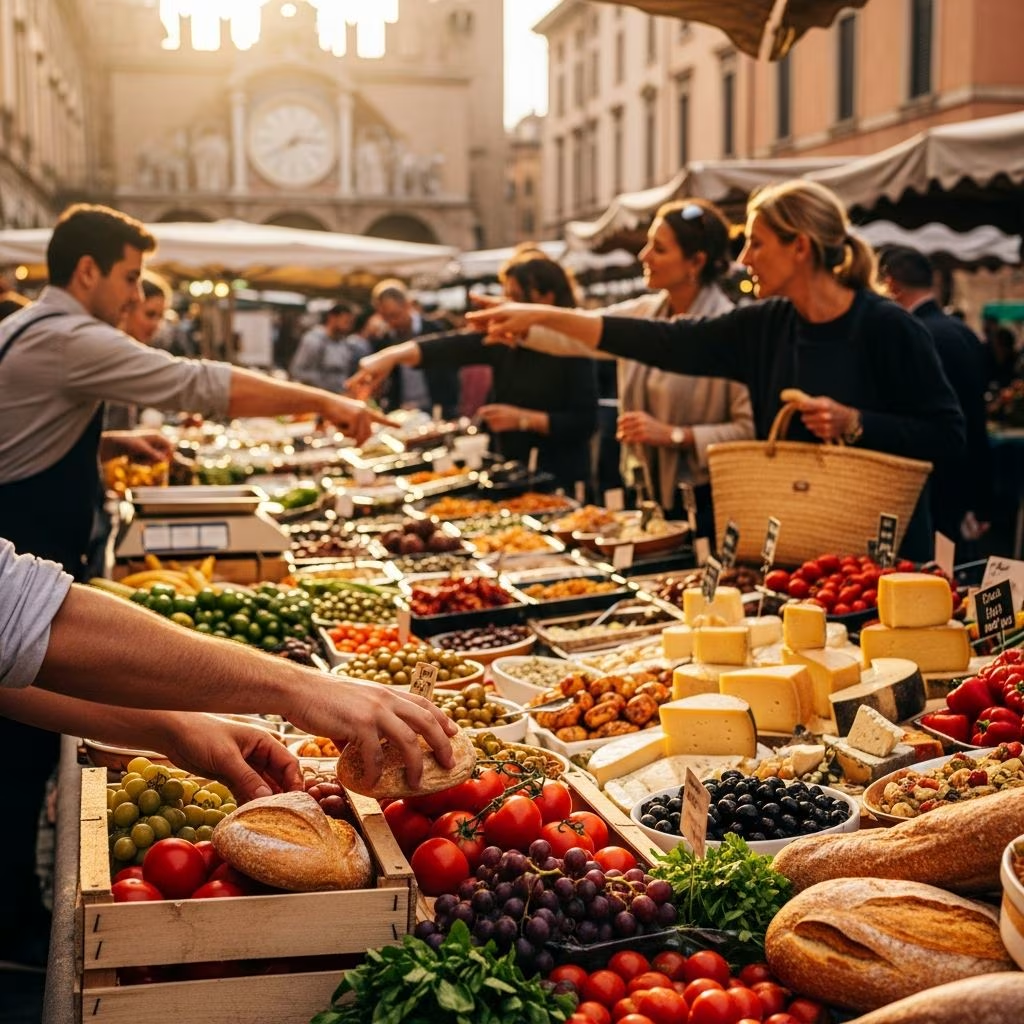
- Market-to-Table Experiences: Travelers accompany hosts to local markets, select fresh ingredients, and then prepare and share a meal together
- Farm Visits: Some experiences include visits to local farms where travelers learn about regional agriculture and food production
- Cultural Dining Traditions: Specialized experiences focus on particular culinary traditions, such as learning family recipes or regional specialties
Geographic Reach and Expansion
What began as a concept serving select destinations has expanded dramatically. Culinary tourism platforms now operate across more than 40 countries, with presence in over 200 cities worldwide. The growth has been particularly strong in Asia, where rich culinary traditions and strong family-based cooking practices align well with the platform model. However, expansion continues globally as the demand for authentic experiences increases.
Each region offers unique opportunities. In India, travelers might learn to prepare dosas in family kitchens. In China, experiences often feature cooking with local grandmothers who possess decades of traditional knowledge. This geographic diversity means that the culinary tourism concept adapts to local contexts while maintaining its core value proposition of authentic cultural connection.
The Impact on Local Communities
Beyond providing travelers with meaningful experiences, culinary tourism creates economic opportunities for local communities. Home cooks earn supplementary income by sharing their skills and hospitality. This model is particularly valuable in areas where traditional tourism infrastructure is limited, as it allows residents to participate in the tourism economy without requiring significant capital investment or formal business registration.
The income generated through culinary tourism experiences often remains within local communities rather than flowing to large hospitality corporations. Hosts retain control over their schedules and pricing, maintaining agency over their participation levels. This direct economic benefit can support household incomes while preserving traditional cooking practices that might otherwise fade as younger generations pursue different careers.
Cultural Preservation Through Culinary Exchange
Food traditions serve as repositories of cultural knowledge. Recipes represent historical adaptations to local ingredients and climates. Cooking techniques embody generational learning and innovation. By creating demand for traditional home cooking, culinary tourism platforms incentivize the continuation of these practices. Younger family members witness their parents or grandparents transmitting culinary knowledge to travelers, reinforcing the value of traditional skills within their own communities.
This dynamic differs significantly from how mass tourism often affects local food culture. Rather than pressuring communities to adapt traditions for tourist palates or abandon local cuisines for more familiar options, culinary tourism celebrates authentic practices exactly as they exist. The economic incentive flows toward preserving traditions rather than modifying them.
Building Meaningful Travel Connections
Travel experiences structured around food create naturally intimate settings for cultural exchange. A kitchen is a space where people reveal aspects of their lives—their family stories, their values, their daily realities. Unlike transactional restaurant interactions, home-based culinary experiences typically involve extended time together, conversation during meal preparation, and shared dining. These conditions facilitate genuine human connection that transcends language and cultural barriers.
Travelers often report that culinary experiences become among their most memorable travel moments. The combination of sensory engagement with food, personal interaction with hosts, and the accomplishment of learning new skills creates strong emotional impact. Many travelers maintain ongoing relationships with hosts after their experiences conclude, staying in touch through social media and returning on future visits.
Practical Considerations for Participants
| Experience Type | Typical Duration | Skill Level Required | Cost Range |
|---|---|---|---|
| Home-Cooked Meal | 2-3 hours | None | Affordable to moderate |
| Cooking Class | 3-4 hours | Basic kitchen comfort | Moderate |
| Market & Cook Experience | 4-5 hours | Moderate comfort with cooking | Moderate to higher |
| Farm-to-Table | Half-day to full day | Varies by experience | Varies |
Culinary experiences are designed to be accessible to travelers with varying comfort levels and cooking abilities. Most platforms indicate the skill requirements and time commitments for each experience, allowing travelers to choose appropriately. Many hosts welcome complete beginners and adjust instruction accordingly. Costs remain relatively affordable compared to traditional tourism experiences, particularly given the depth of engagement and personalized nature of the interactions.
Safety and Quality Assurance
Professional culinary tourism platforms implement verification systems to ensure participant safety and quality experiences. Host verification typically includes background checks, kitchen inspections, and reference reviews. Communication between travelers and hosts before the experience allows for discussion of dietary restrictions, allergies, and other health considerations. This proactive approach addresses common travel concerns while maintaining the intimate, personal nature of the experience.
The Future of Food-Based Travel
Culinary tourism represents more than a niche travel trend; it reflects fundamental shifts in how people want to engage with destinations and cultures. As travel preferences continue emphasizing authenticity and meaningful connection, food-based experiences are positioned to grow significantly. Expansion into new geographic markets continues, while existing platforms develop additional experience formats and deepen their community relationships.
The model also demonstrates how technology can facilitate genuine human connection rather than replacing it. Platforms serve as infrastructure enabling connections that would be difficult for independent travelers to arrange, but the actual value occurs in person-to-person interaction within homes and kitchens.
Frequently Asked Questions
What if I have dietary restrictions or allergies?
Culinary tourism platforms allow travelers to communicate dietary needs during the booking process. Most hosts accommodate various dietary requirements, including vegetarian, vegan, gluten-free, and allergen-restricted diets. Direct communication with hosts before the experience ensures compatibility.
Do I need cooking experience to participate?
No prior cooking experience is necessary for most culinary experiences. Hosts typically adjust their instruction level based on participant comfort and ability. Many travelers report that the hands-on nature of learning from experienced cooks makes the experience accessible regardless of background.
How are hosts vetted and verified?
Platforms implement verification processes including background checks, kitchen inspections, and community reviews. This ensures both participant safety and quality experiences. Hosts must meet specific standards before being approved to list experiences.
Are experiences truly affordable?
Culinary experiences generally remain affordable compared to upscale restaurant dining, particularly considering the personalized, extended nature of the interactions. Costs vary by location and experience type but typically remain accessible to budget-conscious travelers.
Can experiences be customized?
Many hosts offer flexibility in tailoring experiences to traveler interests. Direct communication before booking allows discussion of specific cuisines, cooking techniques, or cultural aspects travelers want to focus on.
Conclusion
Culinary tourism has transformed how travelers engage with destinations and cultures. By shifting focus from commercial restaurants to family kitchens and home cooks, this model creates opportunities for genuine cultural exchange while supporting local communities economically. As travel continues evolving toward experiences emphasizing authenticity and meaningful connection, food-based tourism stands positioned to expand globally. Whether learning to prepare dosas in India, cooking with family cooks in China, or exploring regional cuisines anywhere worldwide, culinary tourism offers travelers pathways to understanding cultures through their most intimate and universal expression: food.
References
- Traveling Spoon – About — Traveling Spoon, Inc. Accessed April 2026. https://www.travelingspoon.com/about
- The Traveling Spoon – Culinary Tourism — ELYSIAN Magazine, Lisa Rubenson. Accessed April 2026. https://readelysian.com/traveling-spoon/
- Episode 213 – Aashi Vel, Traveling Spoon — Soul of Travel Podcast. Accessed April 2026. https://www.souloftravelpodcast.com/season-6/episode213-aashi-vel
- Traveling Spoon: Keiko, Kyoto, and an INCREDIBLE Culinary Experience — Traveling Newlyweds Blog. January 20, 2017. https://www.travelingnewlyweds.com/blog/2017/1/20/travelingspoon
- Press – Traveling Spoon — Traveling Spoon, Inc. Accessed April 2026. https://www.travelingspoon.com/press/
- Traveling Spoon – Travel off The Eaten Path — Traveling Spoon, Inc. Accessed April 2026. https://www.travelingspoon.com
On This Page
The Evolution of Food-Based Travel Experiences How Culinary Tourism Platforms Operate Types of Culinary Experiences Available Geographic Reach and Expansion The Impact on Local Communities Cultural Preservation Through Culinary Exchange Building Meaningful Travel Connections Practical Considerations for Participants Safety and Quality Assurance The Future of Food-Based Travel Frequently Asked Questions Conclusion← Previous
Riviera Maya Transportation Guide: Colectivos, Buses, Taxis & More
Next →
Bassins des Lumières Bordeaux: World’s Largest Digital Art Center
Related Reading
More in Food & Culture
Food & Culture Food & Culture
 Food & Culture
Best Places to Eat in Rome: Neighborhood Dining Guide
 Food & Culture
 Food & Culture