

 Travel Essentials
 Travel Essentials

Curaçao offers diverse beaches, UNESCO-listed Willemstad, world-class diving, hiking trails, and lively culture. Plan your trip with tips on getting around, best times to visit, and top experiences.
 Travel Essentials
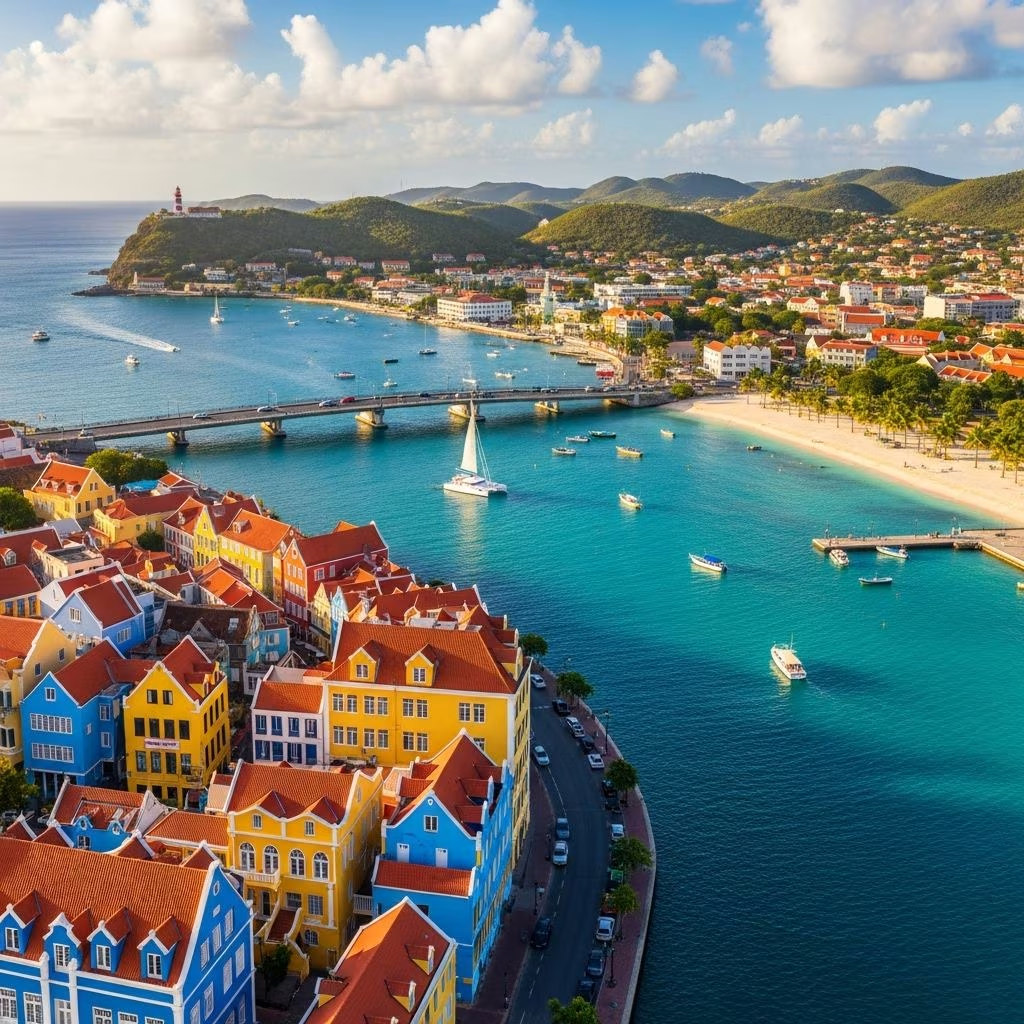
Curaçao, the largest of the ABC Islands in the Dutch Caribbean, captivates with its blend of turquoise waters, colorful colonial architecture, and diverse adventures. This southern Caribbean paradise lies just north of Venezuela, offering hurricane-free escapes year-round and a unique mix of Dutch heritage and island vibrancy.
Unlike typical beach-only destinations, Curaçao balances relaxation with exploration. Its capital, Willemstad—a UNESCO World Heritage site—features pastel-painted buildings along waterways reminiscent of Amsterdam. The island boasts over 35 beaches, from lively party spots to secluded coves ideal for snorkeling. World-class dive sites teem with marine life, while inland parks reveal rugged landscapes and wildlife. Cultural depth shines through in local cuisine, street art, and historic sites, making it perfect for families, couples, or solo travelers.
With a compact size—about 60km long—you can easily circle the island by car, discovering hidden gems at your pace. The upbeat local community adds authentic warmth, from bustling markets to sunset beach bars.
Curaçao enjoys a tropical climate with average temperatures of 27-31°C (81-88°F) year-round, minimal rainfall, and trade winds keeping it comfortable. Peak season runs December to April, ideal for dry weather but higher prices and crowds. Shoulder seasons (May-June, November) offer fewer visitors and deals. Even “rainy” July-December sees short showers, rarely disrupting plans—outside the Atlantic hurricane belt.
Fly into Hato International Airport (CUR) on Curaçao, with direct flights from major U.S., European, and Latin American hubs. From there, taxis to Willemstad cost about 30-40 ANG (17-23 USD). Renting a car is highly recommended for flexibility—public buses are limited, and taxis add up quickly. Compact cars start at 50-70 USD/day; drive on the right with international rules.
| Option | Pros | Cons | Cost Estimate |
|---|---|---|---|
| Car Rental | Freedom to explore beaches/parks | Parking challenges in Willemstad | 50-100 USD/day |
| Taxi | Convenient for short trips | Expensive for island-wide | 10-50 USD/trip |
| Bus | Cheap local routes | Unreliable schedules | 2-5 USD/ride |
| Scooter/ATV | Fun for adventurers | Requires confidence on hills | 40-60 USD/day |
Pro tip: Download offline maps; gas stations are plentiful.
Curaçao’s coastline hides 30+ beaches, many free with calm, reef-protected waters perfect for snorkeling. Westpunt’s coves like Playa Porto Marie feature dramatic cliffs and turtles; Mambo Beach buzzes with watersports, bars, and Sunday parties at Wet’n Wild.
Diving and snorkeling rank world-class—over 65 sites with vibrant corals, wrecks, and species like angelfish. Shore dives at Caracasbaai or boat trips to Mushroom Forest. Rentals and PADI courses abound; expect 90-120 ANG for guided kayaks or intro dives.
Willemstad, split by St. Anna Bay, dazzles with Dutch colonial charm. Cross the floating Queen Emma Bridge (pedestrian-only when ships pass) from Punda’s pastel storefronts to Otrobanda’s street art alleys. Punda’s Handelskade offers postcard views; Rif Fort now houses shops and a lighthouse bar.
Key sights:
Inland thrills await at Christoffel National Park: hike to the 372m summit for panoramas, spot iguanas and cacti (15 ANG entry). Nearby Hato Caves reveal 300,000-year-old chambers with Arawak petroglyphs and bat colonies—45-min tours for 17.50 ANG.
Other pursuits: Kayak Caracas Bay to Fort Beekenburg (90+ ANG), ATV rugged terrain, or birdwatch at Salinja Resort.
Fusion flavors blend Dutch, African, Indonesian influences: keshi yena (stuffed cheese), goat stew, fresh snapper. Try iguana soup adventurously or plantain-heavy funchi. Willemstad’s Punda and Pietermaai brim with spots from rooftop bars (Cascada) to fine dining (Kome).
Markets offer cheap local fare; all-inclusives cater to variety.
Options span Willemstad hostels (30-50 USD/night), beach resorts like Papagayo (200+ USD), or boutique spots in Pietermaai. Westpunt for quiet, Jan Thiel for party vibes.
Yes, one of the safest Caribbean islands with low violent crime; use common sense.
Most nationalities get 90 days visa-free; check official sites.
18 for alcohol, 16 for entry to some clubs.
Yes, desalinated and safe island-wide.
Jan Thiel or Mambo—shallow, facilities galore.
Whether chasing dive certifications, hiking peaks, or savoring colorful streets, Curaçao delivers multifaceted magic. Aim for 4-7 days to savor it fully, or extend to ABC hops.
