

 Travel Essentials
 Travel Essentials

Complete travel guide to Curaçao covering attractions, activities, dining, accommodation, and practical tips for visiting this colorful Caribbean destination.
 Travel Essentials
Nestled in the southern Caribbean, Curaçao stands as one of the region’s most distinctive destinations, offering travelers a compelling blend of natural beauty, cultural richness, and recreational opportunities. This Dutch island, part of the ABC Islands group, has quietly established itself as a premier vacation spot for those seeking authentic Caribbean experiences without the overwhelming crowds found on more mainstream islands. The island’s unique character stems from its fascinating history, diverse population, and commitment to preserving both its natural environment and cultural heritage.
Located off the northern coast of Venezuela, Curaçao benefits from a geographical position that provides distinct advantages to prospective visitors. The island’s positioning in the southern Caribbean places it outside the traditional hurricane belt, making it an attractive year-round destination compared to many other Caribbean locations that face seasonal weather challenges. This geographical fortune translates into consistent conditions and reliable travel planning for visitors.
The island’s tropical climate maintains warm temperatures throughout the year, though visitors should note that conditions vary by season. The driest periods typically occur during certain months, while other times may bring occasional rainfall. Understanding these patterns helps travelers pack appropriately and plan activities strategically. The relatively compact size of the island—approximately 171 square kilometers—means visitors can explore diverse regions within manageable driving distances, maximizing their opportunity to experience varied landscapes and attractions.
Arriving in Curaçao is straightforward, with Hato International Airport serving as the main entry point. Located on the island’s northern side, the airport sits just a 20-minute drive from Willemstad, the capital city. The airport receives direct flights from various international hubs, including connections through Aruba, Bonaire, the Netherlands, the United States, and South American countries like Colombia and Suriname.
Once on the island, transportation dynamics differ from some Caribbean destinations. Public transportation options remain limited, making car rental the most practical choice for independent travelers seeking flexibility. The island’s road network is well-maintained and clearly marked, allowing visitors comfortable with driving to explore at their own pace. Rental agencies throughout Willemstad and the airport area offer competitive rates, and traffic patterns are generally manageable outside peak tourist seasons.
For those preferring not to drive, taxi services operate throughout the island, though costs can accumulate for multiple destinations. Some visitors arrange guided tours or excursions, which provide structured experiences while eliminating navigation concerns. Parking in Willemstad and other populated areas is relatively straightforward, reducing stress associated with vehicle management in the capital.
Willemstad represents the pulsing cultural center of Curaçao and deserves substantial time in any itinerary. The capital city showcases architectural influences reflecting Dutch heritage while embracing Caribbean warmth and character. The city divides into two historic districts—Punda and Otrobanda—connected by the iconic Queen Emma Bridge, a floating pontoon structure that has become synonymous with Curaçao’s image.
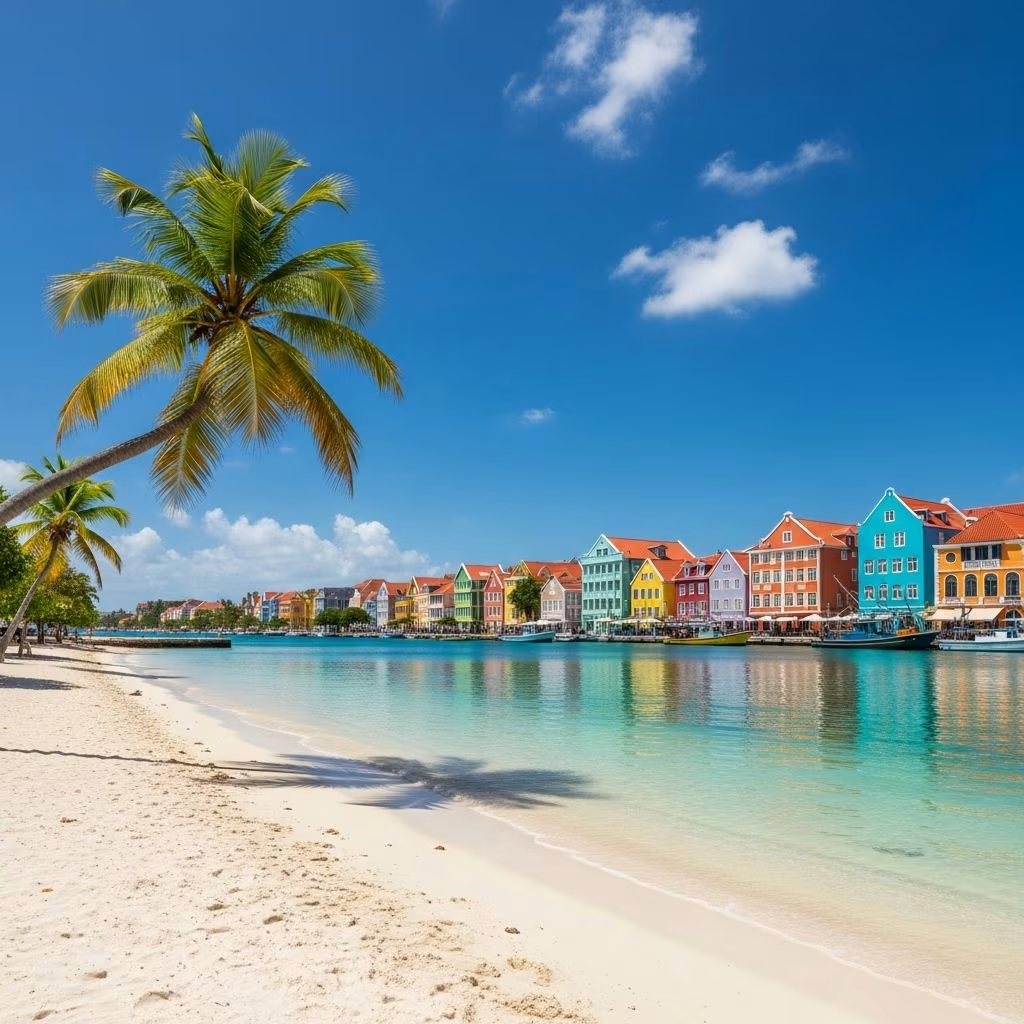
Walking through Punda reveals striking rows of colorful colonial buildings, their pastel facades creating postcard-perfect street scenes. These structures, meticulously preserved and maintained, house shops, restaurants, and cultural venues. The vibrant color palette—ranging from bright pinks and yellows to soft blues and greens—reflects both practical historical traditions and contemporary aesthetic sensibilities.
Otrobanda, accessible via the Queen Emma Bridge, offers equally compelling experiences. This district has undergone significant revitalization, blending historical preservation with modern development. Street art installations, galleries, and boutique shops inhabit renovated colonial buildings, creating an environment where tradition and contemporary creativity coexist harmoniously. Early morning exploration of these districts proves rewarding, as fewer tourists navigate the streets, and cooler temperatures make walking more comfortable.
Curaçao’s coastline presents remarkable diversity, accommodating various preferences from serene relaxation to active water sports. The island’s beaches range from sheltered coves ideal for families to dramatic rocky coastlines appealing to adventurous explorers.
The southern coast, particularly around Willemstad and extending eastward, features multiple accessible beaches within short drives. Mambo Beach offers a lively atmosphere with restaurants and water sports facilities, attracting visitors seeking social beach environments. Conversely, Playa Porto Marie provides tranquil settings for those prioritizing peaceful relaxation. Each location presents distinct characteristics, allowing visitors to select experiences matching their preferences.
The western region, including areas around Westpunt, showcases the island’s most unspoiled beaches and dramatic coastal scenery. These northern shores feature rocky outcrops contrasting with sandy bays, creating visually striking landscapes. Shete Boka National Park preserves one of the island’s most impressive coastal sections, featuring dramatic cliff formations and secluded beaches accessible via hiking trails.
Klein Curaçao, a small island reached by boat excursion, offers distinctive beach experiences including pristine white sand beaches and excellent snorkeling opportunities. Day trips to this satellite island typically include provisions and equipment, though visitors should anticipate a full-day commitment and verify that services and amenities are minimal.
Curaçao’s marine environment ranks among the Caribbean’s finest, attracting diving and snorkeling enthusiasts from worldwide. The western coast particularly concentrates exceptional dive sites, many accessible directly from shore—a significant advantage eliminating the need for extensive boat travel.
Snorkeling opportunities abound along the southern and western coasts. Kleine Knip and Playa Lagún feature coral-covered cliff walls teeming with tropical fish species, accessible to swimmers of varying abilities. Shallower locations accommodate families and beginners, while deeper sites challenge experienced snorkelers seeking more extensive underwater exploration.
Scuba diving represents another major draw, with dive operators throughout the island offering certifications and guided excursions. Sites like the Blue Room, where angelfish inhabit underwater caves, and Shipwreck Point, featuring scattered boat remnants that have become artificial reefs, showcase diverse underwater topographies. The prolific marine life around Caracasbaai and surrounding areas demonstrates the island’s conservation success and natural richness.
Visitors pursuing diving certification during their stay should allocate several days, as coursework and training dives occupy substantial time. The warmth and clarity of the water, combined with abundant marine life and varied dive sites, make Curaçao an attractive certification location for those seeking to combine training with vacation experiences.
Beyond natural attractions, Curaçao preserves numerous cultural and historical sites reflecting its complex past. The Curaçao Liqueur Distillery offers self-guided tours where visitors can learn about the production process behind the island’s famous blue curaçao liqueur. The distillery features a gift shop and outdoor tiki bar, allowing visitors to sample and purchase the distinctive product in a relaxed setting.
Willemstad’s neighborhoods host street art installations and galleries showcasing local artists’ contemporary work. The Otrobanda district particularly emphasizes artistic expression through public art initiatives, transforming walls and buildings into dynamic canvases. Photography enthusiasts and art lovers find substantial material for exploration and documentation.
The Rif Fort, strategically positioned overlooking Willemstad, combines historical significance with modern cultural programming. This fortified structure, dating from the colonial era, hosts exhibitions, performances, and events while providing commanding views of the harbor and city. Visitors can combine historical learning with panoramic photo opportunities in a single location.
Additional notable sites include the Hato Caves, featuring underground chambers with historical significance, and the Abandoned Plane, an aircraft remnant accessible for exploration and photography. These distinctive landmarks contribute to the island’s reputation as a destination balancing cultural substance with natural wonder.
Curaçao’s food scene reflects cultural diversity and culinary sophistication unexpected for an island of its size. Willemstad’s downtown area and surrounding neighborhoods host restaurants ranging from casual beachside establishments to contemporary fine dining venues featuring innovative cuisine.
Local establishments emphasize fresh seafood and traditional Caribbean preparations, while international restaurants cater to diverse palates. The island’s multicultural population influences dining options, creating fusion cuisine that blends Dutch, African, Asian, and Caribbean culinary traditions. Visitors exploring beyond resort dining discover authentic local fare and contemporary interpretations of traditional dishes.
Shopping and dining infrastructure concentrates in several key areas. The Renaissance Mall and Handelskade host both retail boutiques and dining venues, while Punda and Otrobanda districts feature restaurants embedded within historic buildings, creating atmospheric eating experiences. Early morning exploration allows visitors to visit local markets and smaller establishments serving primarily resident populations, providing insights into authentic island life.
Lodging choices span the spectrum from all-inclusive resorts to boutique properties and vacation rentals. Willemstad’s central location appeals to travelers prioritizing convenience and cultural access, with properties ranging from luxury hotels to mid-range accommodations. The downtown area’s proximity to shopping, dining, and historical attractions makes it appealing for visitors emphasizing city experiences.
Jan Thiel beach area offers resort-style properties with direct beach access and comprehensive amenities, suiting travelers preferring centralized recreational facilities. Westpunt provides quieter, more secluded environments appealing to those prioritizing natural settings and beach tranquility over urban amenities. The Pietermaai District, experiencing revitalization, offers boutique accommodations reflecting contemporary design sensibilities while preserving historical character.
Vacation rental platforms provide alternatives to traditional hotels, offering residential-style stays throughout the island. These options appeal to longer-stay visitors or those prioritizing kitchen access and space flexibility. Selecting accommodation based on intended activities and preferred pace of travel optimizes the overall experience.
Currency on the island is the Antillean Guilder (also called Florin), though United States dollars are widely accepted. Visitors should verify exchange rates and consider obtaining local currency for smaller establishments and markets. ATMs throughout the island facilitate currency access, and most credit cards function reliably in commercial establishments.
Language use combines Dutch, English, and Papiamento—a local creole reflecting the island’s multicultural heritage. English proficiency among tourism-oriented staff and younger residents facilitates visitor navigation, though learning basic Papiamento greetings enhances cultural engagement and local interactions.
Recommended stay duration depends on intended activities. Weekend visits allow exploration of Willemstad and nearby beaches, while four to seven days enable comprehensive island experiences including snorkeling, diving, and cultural exploration. Visitors pursuing diving certifications should allocate additional time, as coursework consumes multiple days.
Travel documentation typically includes a valid passport, with specific visa requirements depending on citizenship. Digital immigration processes streamline entry procedures, allowing advance completion of necessary paperwork. Visitors should verify current requirements well before departure.
Curaçao’s year-round tropical climate makes it accessible regardless of season. However, weather patterns vary, with certain months experiencing more rainfall than others. Visitors seeking optimal conditions should research historical weather data and plan activities accordingly.
The island’s position outside the hurricane belt provides security unavailable in many Caribbean destinations, allowing confident travel planning without hurricane-season disruptions. This geographical advantage contributes substantially to Curaçao’s appeal as a reliable vacation destination.
Curaçao encapsulates the quintessential Caribbean experience while maintaining distinctive character derived from its unique cultural heritage, geographical advantages, and commitment to preservation. Whether pursuing relaxation on pristine beaches, exploring underwater marine environments, immersing in cultural attractions, or savoring culinary experiences, the island accommodates diverse travel styles and interests. The island’s manageable size, accessible infrastructure, and concentrated attractions facilitate comprehensive exploration without overwhelming logistical complexity, making it an excellent destination for first-time Caribbean visitors and experienced travelers seeking distinctive experiences.
