


 Food & Culture
Food & Culture
Cusco Travel Guide: History, Culture & Itinerary
A comprehensive guide to Cusco's archaeological sites, neighborhoods, dining scene, and optimal itinerary for first-time visitors to Peru's historic mountain city.
 Food & Culture
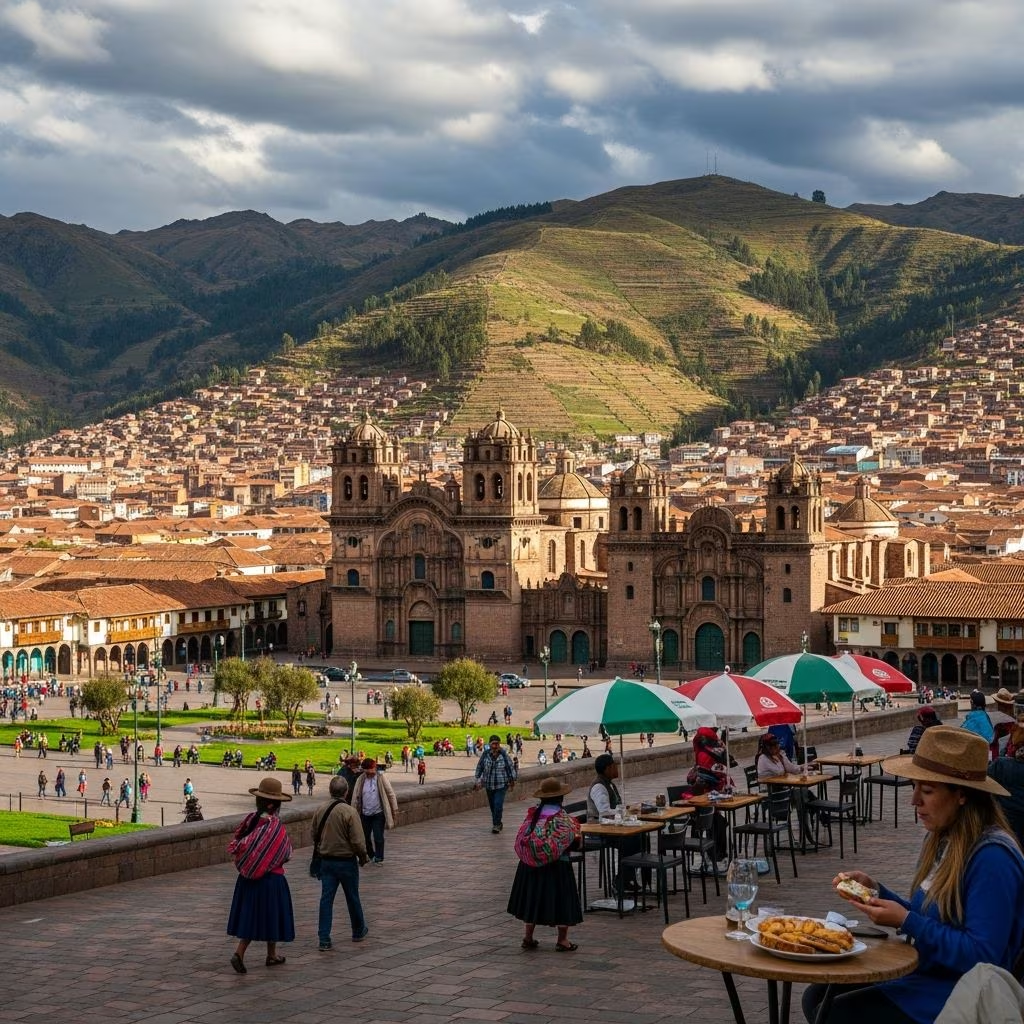
Nestled high in the Peruvian Andes at approximately 3,400 meters above sea level, Cusco stands as one of South America’s most captivating destinations and the geographical heart of the former Inca Empire. This remarkable city seamlessly weaves together layers of history, blending ancient indigenous heritage with Spanish colonial architecture, creating a living museum where past and present coexist in harmony. For travelers seeking an authentic immersion into Peruvian culture, history, and natural beauty, Cusco serves as the essential starting point for exploring the region’s treasures.
Understanding Cusco’s Historical Significance
The city’s importance cannot be overstated. Cusco was once the political, spiritual, and cultural epicenter of Tahuantinsuyo, the vast Inca Empire that stretched across South America. According to historical records, the city was ingeniously designed in the shape of a puma, showcasing the advanced urban planning capabilities of its builders. The Inca constructed this capital with remarkable stone craftsmanship, fitting massive blocks together without mortar—a technique so precise that a knife blade cannot fit between the stones.
Following the Spanish conquest, Cusco transformed into a colonial hub where conquistadors built churches and government buildings directly atop Inca foundations. This layering of civilizations is visible throughout the city today. In 1983, Cusco earned recognition as a UNESCO World Heritage Site, acknowledging its extraordinary cultural and architectural value to humanity. The city remains a testament to the resilience of Peruvian indigenous heritage and serves as a bridge between civilizations.
Navigating the City’s Most Iconic Neighborhoods
Plaza de Armas: The Pulsing Heart
The Plaza de Armas represents Cusco’s cultural epicenter and historically served as Huacaypata in Inca times, where the empire’s most significant ceremonial rituals took place. The square’s contemporary significance is equally profound; it witnessed the execution of independence heroes including Tupac Amaru, events that shaped Peru’s national identity. Today, the plaza exemplifies the city’s unique architectural blend, where pre-Columbian, colonial, and modern design elements converge on a single stage.
The plaza is surrounded by arcaded colonial buildings and dominated by the Cathedral Basilica of the Assumption of the Virgin, an architectural masterpiece built upon the foundations of the Inca palace of Viracocha. Inside this sacred space, visitors encounter an impressive collection of religious paintings from the Cusco School of Art, centuries-old woodwork, and ornate gilded altars. A particularly revered artwork, the Christ of the Earthquakes statue, holds legendary significance—local tradition credits this image with protecting the city during historical seismic events.
San Blas: The Artistic Quarter
Perched on a hillside above the Plaza de Armas, San Blas offers a contrasting experience to the bustling city center. This neighborhood pulses with artistic energy, featuring narrow cobblestone streets that wind upward and reveal hidden galleries, boutiques, and artisan workshops at nearly every turn. Local craftspeople create handcrafted textiles, ceramics, and unique souvenirs that reflect centuries of Andean artistic traditions.
The San Blas Church deserves particular attention—its famous pulpit, carved from a single piece of cedar wood, represents an extraordinary achievement in craftsmanship. Beyond the church, cozy cafés offer respite and panoramic views over the valley below, providing the perfect setting for travelers to acclimatize to the altitude while absorbing the neighborhood’s intimate atmosphere.
Archaeological Wonders Beyond the City Center
Sacsayhuamán: Engineering Marvel of the Andes
Positioned on a hill directly above Cusco, the Sacsayhuamán fortress ranks among the most impressive examples of Inca stonework ever constructed. The site features massive, intricately fitted stone blocks, with the largest weighing over 100 tons, assembled without mortar or modern machinery. The precision of construction remains breathtaking to contemporary visitors; the fit between stones is so tight that the Inca could secure structures using only gravity and geometric perfection.
Originally serving as both a ceremonial center and strategic defense point, Sacsayhuamán provides sweeping views across Cusco and the surrounding valleys. The site becomes particularly vibrant during June’s Inti Raymi festival and the summer solstice, when cultural celebrations bring ancient traditions to life through reenactments and ceremonies that have persisted for centuries.
Qorikancha: The Temple of the Sun
Another essential archaeological site, Qorikancha (the Temple of the Sun), showcases the architectural brilliance of Inca builders through its perfectly fitted stone walls that have survived centuries of earthquakes and conquest. These walls now form the foundation of the Church of Santo Domingo, a stark visual representation of how Spanish colonizers built atop Inca sacred spaces.
Culinary Adventures: Tasting the Flavors of the Andes
Cusco’s culinary landscape represents one of Peru’s most dynamic gastronomic scenes, offering a sophisticated blend of traditional Andean flavors and contemporary culinary innovation. The city’s restaurants range from humble street-food stalls to upscale establishments, each telling stories through their menus.
Traditional Dishes Not to Miss
Visitors should prioritize sampling authentic Peruvian classics that define the region. Ceviche, Peru’s national dish, features fresh fish or seafood cured in citrus juices. Lomo saltado—stir-fried strips of beef combined with tomatoes, onions, and potatoes—represents comfort food elevated to an art form. For adventurous palates, cuy (guinea pig) and alpaca steak offer unique protein experiences deeply rooted in Andean culinary tradition. Chicha morada, a refreshing beverage made from purple corn, provides the perfect complement to spiced meals while aiding altitude acclimatization.
Market Experiences and Local Flavors
The San Pedro Market delivers an authentic sensory immersion into local life. Vendors display vibrant textiles alongside fresh produce, regional cheeses, medicinal herbs, and artisanal products. Wandering through this marketplace provides insight into what local residents eat daily and offers opportunities to purchase ingredients for picnic lunches during day trips. The market atmosphere—filled with indigenous Quechua speakers, colorful traditional clothing, and the aroma of fresh foods—captures the essence of Andean commerce and community.
Dining Districts Worth Exploring
Around Plaza de Armas and San Blas neighborhoods, travelers discover everything from bustling mercados to refined restaurants. The area surrounding these two focal points contains the highest concentration of quality dining options, from casual cafés serving traditional breakfasts to establishments offering innovative takes on regional cuisine.
Optimizing Your Cusco Visit: A Strategic Itinerary
Understanding Altitude and Acclimatization
Cusco’s elevation presents both challenges and opportunities. At 3,400 meters above sea level, the thin air can trigger altitude sickness in unaccustomed visitors. Experts recommend spending the first two days in Cusco allowing your body to acclimate before undertaking strenuous activities or trekking. During this period, rest frequently, consume coca tea (a traditional remedy), and avoid overexertion. Even experienced hikers should modify their activity level initially.
A Five-Day Framework
Day 1: Explore the Historic Center and San Blas neighborhood. Walk the cobbled lanes, visit the Cathedral, and absorb the atmosphere from cafés with valley views.
Day 2: Venture into the Sacred Valley, visiting archaeological sites at Pisac and Ollantaytambo. These locations showcase different aspects of Inca engineering and provide context for understanding Cusco’s broader historical significance.
Day 3: Dedicate a full day to Machu Picchu—either via train or trekking options depending on fitness level and preferences.
Day 4: Participate in cultural or community-based experiences. Many operators offer opportunities to interact with indigenous communities, learning traditional weaving techniques or participating in agricultural activities.
Day 5: Visit Sacsayhuamán fortress and explore local markets. This final day allows for leisurely exploration without the intensity of earlier activities.
Weather Considerations
Cusco’s climate is generally dry with abundant sunshine and notably cold nights. Even during June and July, frost rarely occurs, but visitors should pack warm clothing nonetheless. The dry season (May-September) offers the most stable weather conditions and is considered optimal for visiting.
Practical Information for Travelers
Visa Requirements and Entry
Most travelers from the Americas, Europe, and Oceania do not require visas for tourism stays of 90 to 183 days in Peru, depending on nationality. However, travelers should verify specific requirements based on their citizenship before departure.
Transportation Logistics
Reaching Cusco is straightforward—the city has a major international airport connecting to Lima and other Peruvian cities. Within Cusco, walking remains the primary mode of transportation in the historic center. For journeys to the Sacred Valley and Machu Picchu, trains and organized tours provide convenient options.
Frequently Asked Questions About Visiting Cusco
How many days should I spend in Cusco?
A minimum of five days allows sufficient time to explore the city’s main attractions, acclimatize to altitude, and visit nearby archaeological sites. Travelers with more time might extend stays to explore additional areas or participate in longer trekking experiences.
What is the best time to visit?
The dry season from May to September provides optimal weather conditions. June offers the advantage of experiencing Inti Raymi festival if timing aligns.
What should I pack?
Pack layers including warm jackets, comfortable walking shoes, sunscreen (high altitude intensifies UV exposure), and a water bottle for staying hydrated.
How do I manage altitude sickness?
Acclimatize for two days before strenuous activity, drink coca tea, rest frequently, and avoid alcohol and heavy exertion initially. Consult healthcare providers if you have altitude sensitivity.
References
- Cusco, Peru: The Ultimate Travel Guide 2026 — Metropolitan Touring. 2026. https://www.metropolitan-touring.com/peru/places/cusco/
- Travel to Cusco in 2026: Complete Guide, Tour Prices, and How to Visit — Condé Travel. 2026. https://conde.travel/travel-to-cusco-in-2026-complete-guide/
- Peru Travel Guide 2026 – The Ultimate Guide — Alpaca Expeditions. 2026. https://www.alpacaexpeditions.com/the-ultimate-peru-travel-guide-2026-top-places-to-visit-must-see-destinations-itineraries/
- Cusco Travel Guide 2026: What to Do, See & Visit — Orange Nation. 2026. https://www.orange-nation.com/cusco/
- Recommendations for Visiting Cusco 2026: A Local Expert’s Guide — Machu Picchu Tour Guides. 2026. https://machupicchutourguides.com/recommendations-for-visiting-cusco/
On This Page
Understanding Cusco's Historical Significance Navigating the City's Most Iconic Neighborhoods Archaeological Wonders Beyond the City Center Culinary Adventures: Tasting the Flavors of the Andes Optimizing Your Cusco Visit: A Strategic Itinerary Practical Information for Travelers Frequently Asked Questions About Visiting Cusco← Previous
United Polaris Studio Suites: Inside the New Elevated 787-9 Interior
Next →
What You Can’t Pack in Carry-On or Checked Luggage
Related Reading
More in Food & Culture
Food & Culture Food & Culture
 Food & Culture
Best Places to Eat in Rome: Neighborhood Dining Guide
 Food & Culture
 Food & Culture