

 Travel Essentials
 Travel Essentials

Complete guide to Cuyahoga Valley National Park featuring over 125 miles of trails, iconic waterfalls, scenic railroads, and outdoor activities for all skill levels.
 Travel Essentials
Nestled between Cleveland and Akron in northeastern Ohio, Cuyahoga Valley National Park stands as Ohio’s only national park and represents a remarkable blend of natural beauty and industrial heritage. This expansive preserve encompasses thousands of acres of verdant forests, dramatic rock formations, and flowing waterways that have captivated visitors for generations. The park’s unique character stems from its preservation of both pristine natural landscapes and the historical remnants of the Ohio & Erie Canal era, creating a destination that appeals to nature enthusiasts, history buffs, and families alike.
Spanning a considerable portion of the Cuyahoga Valley region, the park strategically connects two major metropolitan areas while maintaining its wilderness character. The park’s location between these urban centers makes it exceptionally accessible for visitors seeking quick getaways or extended outdoor expeditions. Multiple entrance points and visitor centers scattered throughout the park ensure that whether you’re arriving from Cleveland or Akron, you’ll find convenient access to different sections and trailheads.
The park’s terrain varies dramatically, featuring everything from gentle riverside paths to challenging hilltop climbs. This diverse topography means visitors can customize their experiences based on fitness levels, time constraints, and personal interests. The presence of the Cuyahoga River winding through the valley creates numerous overlooks, creek crossings, and water-view opportunities that enhance nearly every visit.
The backbone of any Cuyahoga Valley experience involves navigating its extensive trail system comprising more than 125 miles of marked pathways. These trails accommodate multiple user types including hikers, cyclists, equestrians, and cross-country skiers, ensuring everyone finds suitable routes matching their abilities and preferences.
For more ambitious outdoor enthusiasts, nearly 40 miles of the renowned Buckeye Trail pass through the park, featuring dramatic waterfalls and impressive ledge formations throughout. While the complete 1,444-mile loop attracts dedicated thru-hikers, most visitors experience the Buckeye Trail in manageable sections. One particularly scenic eight-mile segment challenges hikers with significant elevation changes, dense forest passages, and ultimately connects to the flatter Towpath Trail for a rewarding return journey.
Water features define much of Cuyahoga Valley’s natural appeal, with multiple cascading falls creating memorable photo opportunities and serene meditation spots.
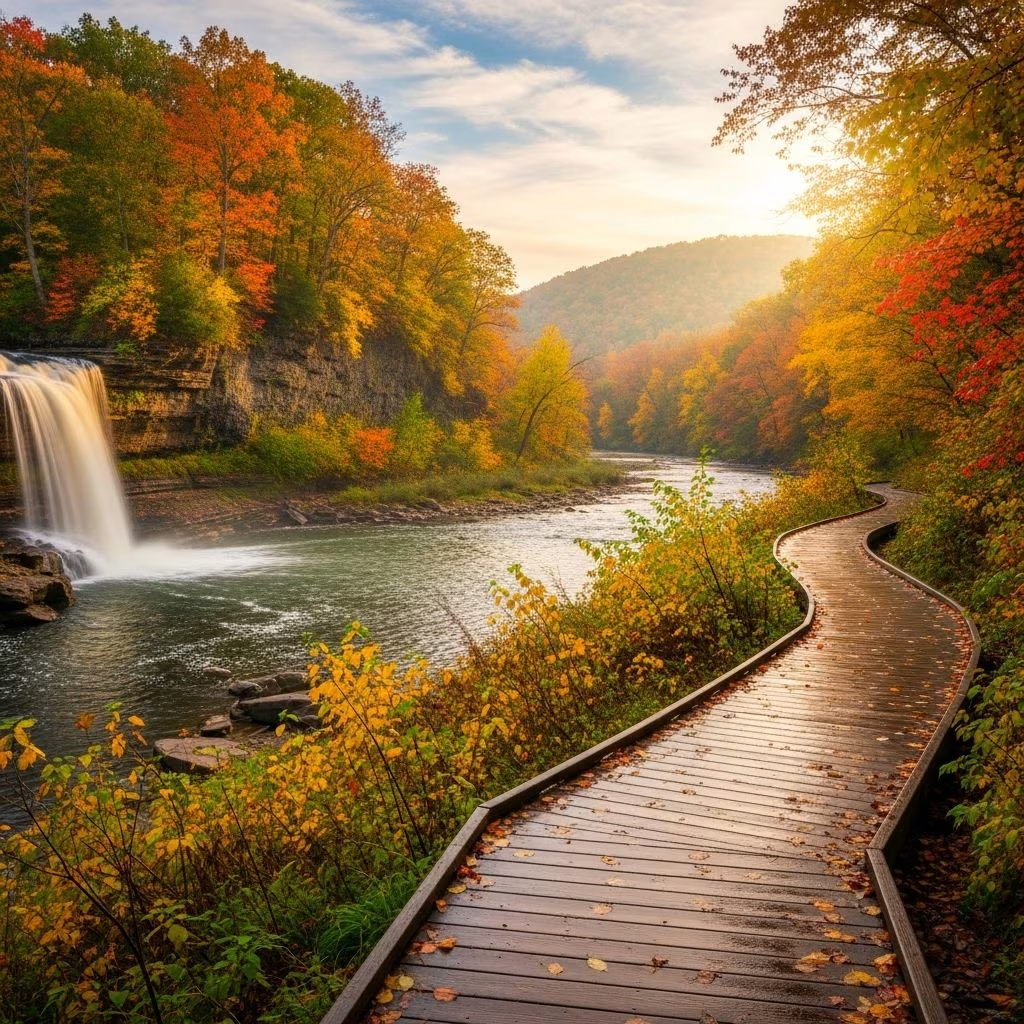
Standing as the park’s most recognizable feature, Brandywine Falls plunges 65 feet and remains accessible via convenient parking and well-maintained boardwalks. This iconic waterfall attracts visitors throughout all seasons, each offering distinct perspectives—spring floods showcase powerful torrents, summer visits provide lush green surroundings, autumn displays brilliant foliage, and winter presentations occasionally feature frozen ice formations. The easily accessible viewing platforms make Brandywine Falls suitable for visitors with limited mobility or time constraints, though more dedicated explorers should venture onto the Brandywine Gorge Trail for enhanced perspectives.
Beyond the famous Brandywine, multiple smaller cascades scatter throughout the park. Blue Hen Falls emerges as a particularly popular secondary destination, featuring its own attractive hiking route departing from the Boston Mill Visitor Center. Waterfall enthusiasts can create personalized routes connecting multiple falls, turning a single-day visit into a comprehensive aquatic adventure.
History enthusiasts discover rich cultural narratives along the park’s canal pathways and visitor facilities. The Canal Exploration Center in Valley View preserves stories of mid-1800s canal workers, including accounts of John Malvin, a free Black canal boat captain who navigated these waterways. Interactive exhibits detail the mules that powered cargo vessels, mechanical principles behind canal locks, and the transformative impact of water-based commerce on regional development. Summer weekend demonstrations at Lock 38 provide hands-on understanding of how these engineering marvels functioned.
Spanning 20 miles through the national park, the Ohio & Erie Canal Towpath Trail provides a paved and dirt surface welcoming walkers, runners, and cyclists alike. This flat pathway winds past the Boston Mill Visitor Center, Beaver Marsh wildlife areas, and farmers market locations, offering diverse scenery while maintaining accessibility for various skill levels. The Towpath Trail represents an ideal full-day exploration route combining exercise with cultural immersion at historic sites.
The Cuyahoga Valley Scenic Railroad operates throughout the park, providing unique perspectives impossible from ground-level trails. Beyond standard excursions showcasing park scenery through historic train cars, the railroad operates creative themed experiences including wine tours, murder mystery events, and children’s crafting activities. Many visitors combine train rides with hiking by riding to distant trailheads, hiking sections, and returning via rail—an increasingly popular strategy for experiencing multiple park sections efficiently.
For paddlers seeking water-based exploration, the Cuyahoga River offers memorable kayaking journeys. A comprehensive 16-mile paddle trip involves parking at Lock 39, taking the scenic train south to Lock 29, then paddling upstream through forested corridors over approximately five hours to return to the starting vehicle. A shorter 10-mile version departs from the Station Road stop in Brecksville, accommodating visitors with limited time or paddling experience. While the park doesn’t provide kayak rentals, Cuyahoga Valley Adventures south of the park in Akron offers equipment rental and guided expedition services.
The park’s diverse ecosystems support abundant wildlife viewing opportunities. Birdwatching enthusiasts can observe both common species and rare migrants, particularly during seasonal transitions. The Beaver Marsh area provides dedicated wildlife observation infrastructure, offering chances to spot aquatic fauna in their natural habitat. Forest-dwelling mammals, stream-dwelling amphibians, and abundant insect populations complete the ecological picture, making nature study a rewarding activity throughout the year.
Park rangers conduct guided programs exploring ecosystem dynamics, historical narratives, and geological formations. These educational experiences enhance visitor understanding while building community connections to the natural world.
| Season | Conditions | Activities | Ideal For |
|---|---|---|---|
| Spring | Moderate temperatures, frequent precipitation | Waterfall viewing at peak flow, wildflower observation | Nature photographers, botanists |
| Summer | Warm, occasionally humid conditions | All activities including river paddling, scenic railroad | Families, active explorers |
| Autumn | Comfortable temperatures, vibrant foliage | Hiking, scenic photography, birding migration | Photographers, casual hikers |
| Winter | Cold temperatures, occasional snow | Cross-country skiing, winter hiking, ice formations | Cold-weather enthusiasts, solitude seekers |
Q: How long should I plan for my Cuyahoga Valley visit?
A: Half-day visits work for quick waterfall viewing, while full-day explorations allow trail hiking, railroad rides, and museum visits. Multi-day trips accommodate comprehensive trail networks and relaxed pacing.
Q: What difficulty levels do the trails offer?
A: The park accommodates everyone from young children and accessibility-challenged visitors on short, flat routes to experienced hikers tackling elevation-challenging terrain throughout the Buckeye Trail system.
Q: Are pets allowed in the park?
A: Dog-friendly areas and beaches welcome leashed pets, making family outings inclusive for canine companions.
Q: What makes Cuyahoga Valley unique compared to other national parks?
A: The distinctive blend of natural wilderness preservation combined with industrial heritage, urban accessibility, and manageable scale creates an experience distinctly different from larger remote national parks.
Q: When is the best time to visit?
A: Each season offers unique advantages—spring for waterfall viewing, summer for full activity availability, autumn for photography, and winter for solitude.
Successful Cuyahoga Valley visits balance multiple experience types. A recommended approach involves spending morning hours hiking one featured trail, enjoying midday meals at visitor facilities, dedicating afternoon time to either scenic railroad experiences or secondary waterfall exploration, and concluding with museum visits or ranger programs. This structure accommodates different energy levels throughout the day while ensuring comprehensive park exposure.
Whether you’re a dedicated outdoor enthusiast seeking challenging terrain, a casual explorer enjoying accessible pathways, a history scholar investigating industrial heritage, or a family creating lasting memories, Cuyahoga Valley National Park delivers exceptional experiences. The park’s thoughtful combination of natural preservation, recreational opportunity, and historical interpretation ensures every visit becomes meaningful, encouraging return explorations to discover aspects previously overlooked.
