

 Travel Essentials
 Travel Essentials

Discover how to explore Netherlands tulip fields by bicycle, visiting Keukenhof Gardens and charming towns on a leisurely multi-day cycling journey.
 Travel Essentials
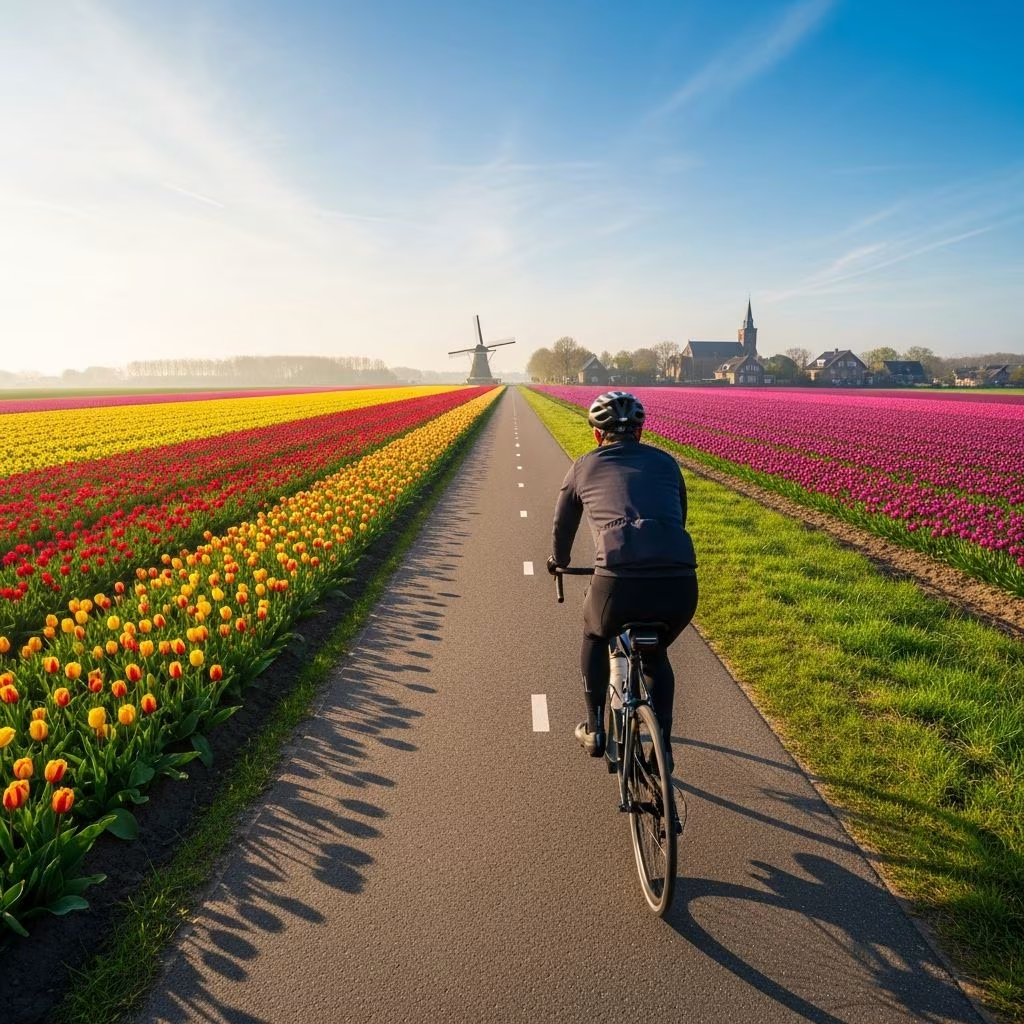
Spring in the Netherlands transforms the landscape into a kaleidoscope of color as millions of bulbs bloom across the countryside. While many visitors rush through tulip country via tour buses and cars, cycling offers an intimate and rewarding way to experience this seasonal spectacle. This guide explores how to design your own bicycle-based exploration of Holland’s most vibrant region, combining physical activity with cultural immersion and natural beauty.
The Netherlands earned its reputation as the cycling capital of Europe through centuries of infrastructure investment and cultural embrace of two-wheeled transportation. The Dutch approach to cycling—which prioritizes dedicated pathways, traffic calming, and bike-friendly urban design—makes exploring tulip country by bicycle not just feasible but genuinely enjoyable.
Bicycles allow travelers to maintain a flexible pace, stopping unexpectedly when interesting sights appear without the commitment required by organized tour groups. This spontaneity creates opportunities for discovering small villages, local cafes, and hidden flower fields that larger tourist operations typically bypass. Additionally, cycling engages multiple senses—the scent of hyacinths carried on spring breezes, the feeling of newly paved bike paths beneath your tires, and the visual progression from urban edges to rural flower farms.
For those concerned about fitness levels, modern cycling tourism accommodates varying abilities. Many routes feature gentle terrain with minimal elevation changes, making them accessible to families and less experienced cyclists. The distances typically covered—ranging from 10 to 25 kilometers daily—feel substantial without being exhausting, leaving energy for exploration once you reach your destination.
Effective tulip country cycling experiences typically span three to four days, allowing sufficient time to reach key attractions while maintaining a sustainable daily mileage. This timeframe permits two-night stays in strategic locations, reducing the daily packing and unpacking that can diminish travel enjoyment.
Base City Selection and Transportation
Most travelers begin from Amsterdam, Europe’s largest cycling city and a major international transportation hub. After spending a few days acclimating to Dutch cycling customs and exploring Amsterdam’s bike culture, the journey south toward tulip country begins via train. The Intercity service requires approximately 45 minutes to reach Leiden, the region’s primary gateway. This train journey costs under €15 per person and eliminates the need to navigate your bicycle through Amsterdam’s congested center.
Leiden serves as an excellent base for the first portion of your journey. This university city offers numerous accommodations, restaurants, and services catering to cyclists. Its strategic location places you within 10 kilometers of Keukenhof Gardens and Lisse, the heart of Holland’s tulip-growing region.
Daily Route Planning and Mileage
Most visitors cover approximately 20 miles (32 kilometers) daily, a pace that maintains forward progress while preserving energy for sightseeing and photography. This distance typically requires 2-3 hours of actual cycling time, leaving ample daylight for gardens, villages, and meals. Route difficulty varies considerably—beginners should select paths ranging from 5 to 10 kilometers, while experienced cyclists can tackle routes exceeding 20 kilometers with diverse landscape features.
No tulip country cycling journey feels complete without visiting Keukenhof, the world’s largest flower exhibition garden. This 80-acre showcase transforms into a living palette each spring, displaying approximately seven million flowering bulbs across carefully curated gardens. The gardens showcase not only tulips but also hyacinths, daffodils, and numerous companion plantings that demonstrate Dutch horticultural expertise.
Timing and Logistics
Keukenhof operates exclusively during spring, with opening dates typically coinciding with late March and closing by mid-May. This limited window creates substantial demand, particularly during peak bloom periods in April. Visitors intending to cycle directly to the gardens should reserve timed-entry tickets months in advance, as walk-up availability becomes extremely limited during peak season. Ticket prices typically range from €17 to €20 per person, varying by booking method and advance purchase timing.
The grounds contain numerous designated bike parking areas, though preferred parking near garden entrances fills quickly. Arriving by bicycle actually simplifies logistics compared to car-based tourism, eliminating parking challenges and providing direct access to bike facilities. Most cycling routes approach Keukenhof from surrounding villages, requiring only minor navigation adjustments to reach designated bike parking.
Interior Navigation and Highlights
The gardens maintain multiple themed zones, each emphasizing different horticultural traditions and contemporary design approaches. Visitors typically spend 2-3 hours exploring, depending on gardening interest and photography time. The Keukenhof experience combines structured garden design with abundant photo opportunities, making it popular with everyone from casual tourists to serious gardening enthusiasts.
Beyond Keukenhof’s manicured gardens, the surrounding countryside contains vast commercial tulip fields that provide equally stunning scenery. These agricultural landscapes—primarily concentrated within 15-kilometer radius of Lisse—display different characteristics than formal gardens, offering expansive vistas of monochromatic color fields.
Designated Cycling Routes Around Keukenhof
Multiple marked cycling routes facilitate flower field exploration with varying distances and difficulty levels. The shortest routes, approximately 5 kilometers, suit families and casual cyclists, featuring gentle terrain and close-range views of cultivated fields. Moderate routes spanning 10-15 kilometers introduce more varied landscapes, including visits to traditional villages and historical sites. Advanced routes reaching 25 kilometers incorporate dune areas and beach scenery, demonstrating Holland’s geographical diversity beyond just flower fields.
| Route Difficulty | Distance | Key Features | Best For |
|---|---|---|---|
| Beginner | 5 km | Keukenhof Castle, windmills, flower fields | Limited time, families |
| Intermediate | 10-15 km | Tulip farms, villages, museums, churches | Average cyclists, cultural interest |
| Advanced | 25 km | Dunes, beaches, diverse landscapes | Experienced cyclists, nature lovers |
Cultural Stops and Local Attractions
The flower-growing villages surrounding Keukenhof offer glimpses into Dutch rural life and horticultural traditions. Lisse, the commercial heart of tulip cultivation, maintains several flower-related museums including exhibits dedicated to tulip history and the legendary “tulip mania” economic bubble. Several working tulip farms welcome visitors, offering opportunities to purchase fresh flowers or enjoy refreshments while observing cultivation practices.
St. Agatha Church, located in the flower region, represents significant architectural and cultural heritage. This cathedral of the Bollenstreek (the bulb-growing region) welcomes daytime visitors without admission fees, providing moments of reflection amid cycling adventures.
Access to quality bicycles forms the foundation of successful tulip country cycling. The Netherlands contains numerous rental facilities accommodating daily, weekly, or monthly needs. Standard Dutch city bikes feature practical designs including step-through frames for easy mounting, enclosed chain guards preventing clothing entanglement, and integrated lock systems. Rental rates typically range from €8 to €15 daily for standard bikes, with premium models or electric bicycles commanding higher prices.
Choosing the Right Bicycle Type
Most tulip country routes require only standard city bikes rather than specialized road or mountain equipment. The extensive Dutch bike path network features smooth surfaces and gentle grades, making specialized cycling gear unnecessary. This accessibility encourages casual cyclists to participate without purchasing expensive equipment or maintaining specialized fitness levels.
Electric bicycles (e-bikes) offer advantages for less experienced cyclists or those concerned about daily distances. These motorized bicycles provide assistance during challenging sections while maintaining the flexibility and independence of cycling. E-bike rentals command premium pricing, typically €30-40 daily, but distribute physical exertion across multi-day journeys more evenly.
Safety and Traffic Rules
The Netherlands maintains strict cycling infrastructure with dedicated paths physically separated from automobile traffic. Dutch road rules prioritize cyclists within this protected network, creating exceptionally safe cycling environments compared to most countries. Helmets, while available, remain optional for adults in Dutch cycling culture, though many travelers choose to wear them regardless.
Successful multi-day cycling experiences require strategic meal planning and snack management. Dutch villages along cycling routes contain bakeries, grocery stores, and cafes supporting cyclist nutrition needs. Many travelers pack portable snacks—nuts, dried fruit, chocolate, cheese—supplementing these with warm meals in village restaurants during lunch breaks.
Daily hydration requires particular attention during spring cycling. Water bottles integrated into bike frames remain more practical than constantly removing packs. Most cycling routes pass through populated areas where outdoor cafes serve beverages without requiring formal sit-down meals.
Travelers seeking extended cycling experiences can combine tulip fields with additional Dutch attractions. The Zaanse Schans, an open-air museum featuring preserved windmills, traditional cheese production, and historical wooden architecture, attracts many cyclists. Located within 30 kilometers of Keukenhof, this UNESCO-recognized site provides substantial cultural contrast to flower-focused tourism.
The Aalsmeer Flower Auction represents another compelling destination, functioning as the world’s largest floral marketplace where thousands of transactions occur daily. Cyclists approaching Amsterdam can arrange visits to this working flower market, gaining insights into Dutch floristry commerce beyond consumer-facing gardens.
Spring tulip displays depend entirely on weather conditions and bloom cycles. Peak flowering typically occurs during mid-to-late April, though exact timing varies annually. The narrow blooming window—often just 4-5 weeks—creates both urgency and demand. Planning tulip country cycling requires reserving accommodations and Keukenhof tickets well in advance, particularly for visits during peak bloom periods.
Most routes accommodate casual cyclists covering 15-20 kilometers daily with minimal elevation changes. This pace feels manageable for average fitness levels, particularly when spread across 2-3 hours of actual cycling time. Electric bicycles provide additional assistance if concerns arise.
Mid-April typically offers optimal blooming conditions, though this varies yearly based on weather patterns. Visiting slightly before peak season provides fewer crowds while still capturing substantial flower displays.
Yes, numerous “bike and barge” tour operators offer integrated experiences combining cycling with floating hotel accommodations. These reduce daily packing needs while maintaining flexibility and independence of self-directed cycling.
No, the flat terrain and dedicated bike paths accommodate cyclists of all experience levels. Route selections should match individual fitness and confidence, with shorter routes available for beginners.
Multiple companies offer guided tulip field cycling experiences ranging from 2-3 hours to full-day excursions. Guided tours cost approximately €45 including bike rental, with starting points typically near Keukenhof.
