
 Stays
StaysStays
Cyprus Travel Guide 2026: Where to Stay, Eat & Explore
Complete guide to Cyprus travel covering accommodation options, dining experiences, outdoor activities, and cultural attractions across the island's diverse regions.
 Stays
StaysCyprus, a Mediterranean island brimming with ancient history, pristine beaches, and vibrant culture, offers an exceptional travel experience for visitors seeking diverse adventures. Whether you’re drawn to archaeological wonders, water sports, mountain exploration, or culinary experiences, Cyprus accommodates all travel preferences and budgets. This comprehensive guide explores the essential elements of planning a memorable Cyprus vacation, from selecting the right accommodation to discovering authentic dining venues and engaging in activities that showcase the island’s multifaceted character.
Understanding Cyprus as a Destination
Cyprus presents a unique blend of Greek, Turkish, and British cultural influences, creating a distinctive Mediterranean experience. The island spans approximately 9,250 square kilometers and welcomes travelers year-round, though spring and autumn offer optimal weather conditions for exploration. Understanding the island’s geography and cultural nuances helps visitors make informed decisions about their itinerary and accommodation choices. The southern region, governed by the Republic of Cyprus, contrasts with the northern territories, each offering distinct experiences and historical perspectives. Recognizing these regional differences ensures visitors can tailor their journey to align with their specific interests and travel style.
Selecting Your Accommodation Base
Choosing where to stay significantly influences your overall Cyprus experience. Different regions cater to various traveler preferences, and understanding these distinctions helps narrow down your options.
Beachfront Destinations for Relaxation
Limassol emerges as an ideal choice for travelers seeking vibrant beach culture combined with modern amenities. This coastal city features proximity to water parks, diverse nightlife options, and contemporary resort facilities. Families appreciate the comprehensive recreational infrastructure, while couples enjoy romantic beachfront dining establishments. Limassol’s old town district provides cultural depth through historical architecture and local markets, creating a balanced vacation experience.
Ayia Napa represents the premier destination for younger travelers and those prioritizing nightlife experiences. This coastal town pulses with energy through beach clubs, foam parties, and DJ-driven venues. However, Ayia Napa also offers genuine beach beauty and water sports opportunities, making it more than merely a nightlife hub. The nearby Nissi Beach provides exceptional snorkeling conditions and pristine sand.
Quieter Options with Character
Paphos appeals to travelers desiring tranquility without sacrificing cultural richness. This western coastal town provides access to archaeological significance through the UNESCO World Heritage Paphos Archaeological Park while maintaining a relaxed atmosphere. The harbor area features charming restaurants and accommodations suitable for couples and history-focused visitors.
For authentic village experiences, Kalavasos offers traditional Cypriot charm with convenient accessibility to major urban centers and the airport. This approach suits travelers seeking to immerse themselves in local culture while maintaining practical connectivity for regional exploration.
Dining Experiences Across the Island
Cypriot cuisine reflects Mediterranean traditions with distinctive local characteristics. The island’s culinary scene ranges from family-operated tavernas serving traditional meze to contemporary dining establishments featuring innovative interpretations of classic flavors.
Traditional Meze Culture
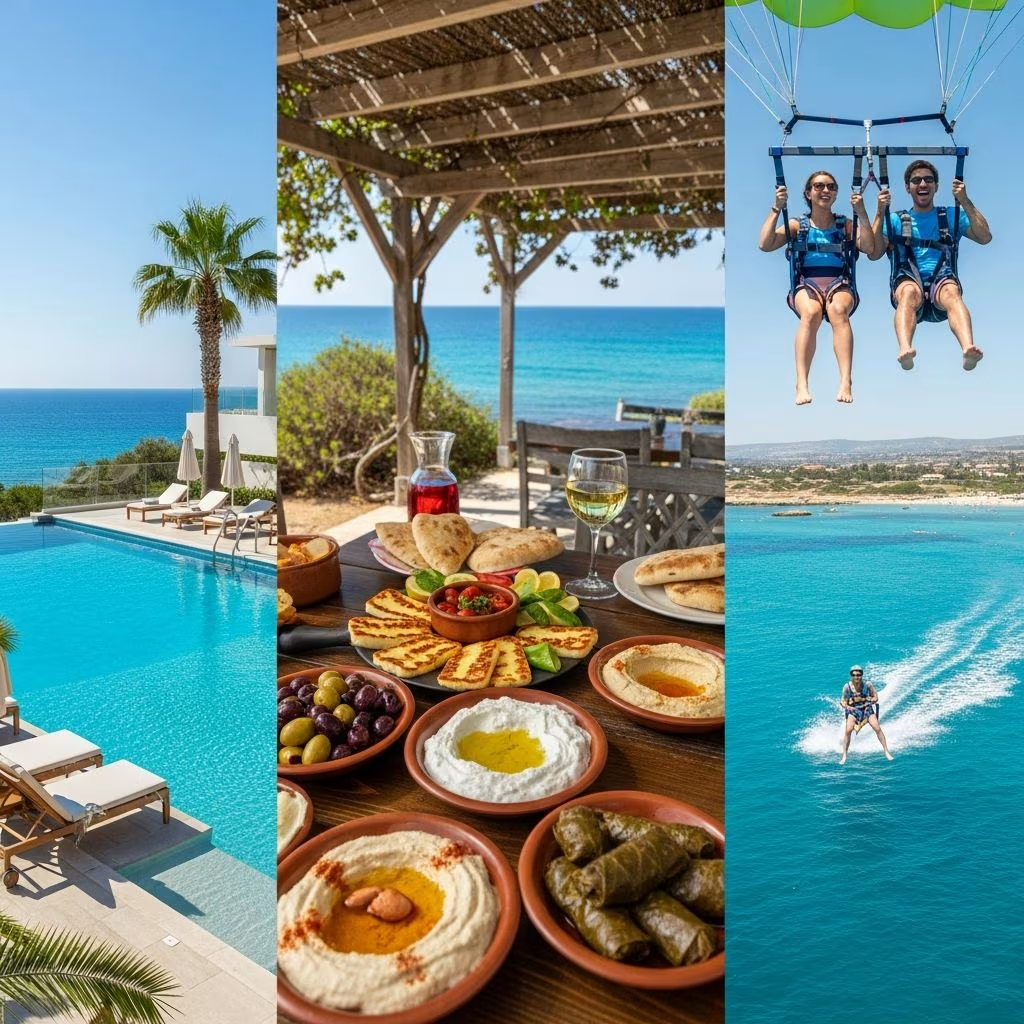
Meze represents the cornerstone of Cypriot dining, featuring an array of small dishes designed for shared consumption. Authentic meze houses serve combinations of grilled meats, fresh vegetables, local cheeses, and bread, accompanied by traditional beverages. This communal dining approach fosters connection among diners and provides genuine insight into island culinary traditions. Larnaca’s dining establishments particularly emphasize meze culture, with restaurants along the Finikoudes promenade offering waterfront settings combined with authentic cuisine.
Regional Culinary Specialties
Each region develops distinct culinary specialties reflecting local ingredients and cultural traditions. Troodos Mountain villages offer hearty cuisine adapted to cooler mountain climates, featuring preserved vegetables and traditional meat preparations. Nicosia’s dining scene showcases Greek, Turkish, and international influences, reflecting the city’s multicultural history and contemporary diversity.
Contemporary Dining Evolution
Modern Cypriot chefs increasingly blend traditional flavors with contemporary presentation techniques. Upscale establishments in Limassol and Paphos feature refined interpretations of classic dishes, utilizing local seafood and produce. These restaurants appeal to travelers seeking elevated dining experiences without abandoning authentic Cypriot culinary roots.
Navigating Regional Attractions and Activities
Cyprus offers diverse activity opportunities accommodating various fitness levels, interests, and travel styles.
Archaeological and Historical Exploration
The Paphos Archaeological Park represents one of Cyprus’s most significant cultural sites, showcasing intricate Roman mosaics within ground-level structures that have survived millennia. Visitors should prioritize weekday visits to avoid peak tourist crowds and maximize contemplation time. The underground burial chambers, known as Paphos Tombs, reveal construction techniques and artistic expressions spanning Roman and Byzantine periods.
Northern Cyprus contains Salamis ruins near Famagusta, featuring vast archaeological remains including columns, theaters, and structures dispersed among olive groves. This site provides atmosphere distinctly different from southern archaeological areas, offering quieter exploration opportunities. Kyrenia Castle’s medieval fortifications offer climbing opportunities, yielding panoramic harbor views as reward.
Larnaca’s historical attractions combine archaeological sites with old-town character, providing context through adjacent museums. This combination approach helps visitors construct comprehensive understanding of Cyprus’s layered historical development.
Natural Landscape Activities
The Troodos Mountains provide hiking opportunities through pine-covered terrain, offering respite from coastal heat and establishing connection with interior landscapes. These mountains host wine-producing regions, combining outdoor activity with agricultural heritage exploration. Hikers should wear appropriate footwear for uneven terrain and carry adequate water supplies.
Water-based activities extend beyond beach relaxation. Ayia Napa’s crystal-clear waters support diving expeditions, accommodating both certified divers and beginners through professional instruction. The Blue Lagoon excursions provide boat-access to secluded swimming locations unavailable by land.
Cultural Engagement Opportunities
Nicosia’s Green Line represents a unique historical boundary with accessible crossing points via official checkpoints. The divided old town features bi-communal markets and cultural venues reflecting both Greek and Turkish heritage. Visitors should use weekdays for less crowded experiences and employ official passport documentation for smooth Green Line crossings.
Festival participation offers seasonal cultural immersion. The Limassol Carnival in February features colorful parades and elaborate costumes. Summer months bring the Paphos Opera Festival, hosting world-class performances within ancient archaeological settings. Ayia Napa’s nightclubs concentrate peak activity during peak season months.
Practical Planning Considerations
Transportation and Mobility
Vehicle rental provides optimal flexibility for exploring Cyprus’s diverse regions, particularly for accessing northern territories and mountainous areas. Buses offer affordable alternatives for primary route travel, though schedule limitations may restrict spontaneous exploration. Combining rental vehicles with occasional public transport creates cost-effective mobility solutions.
Weekday travel helps visitors avoid congestion at popular destinations like Ayia Napa beaches, with weekday visits accommodating more peaceful experiences. Official checkpoints and passport requirements apply for Green Line crossings between northern and southern territories.
Packing Recommendations
Appropriate footwear ranks among essential packing elements, particularly for archaeological site visits involving uneven terrain. Sturdy hiking boots benefit mountain exploration, while water shoes prove useful for beach environments. Sun protection through sunscreen, hats, and lightweight clothing prevents heat-related discomfort during summer months. Reusable water bottles support environmental consciousness while maintaining hydration during outdoor activities.
Safety and Health Precautions
Certified guides enhance safety for activities within challenging environments, particularly within northern Cyprus or Green Line regions requiring documentation and crossing procedures. Weather monitoring prior to water sports activities and outdoor adventures prevents weather-related complications. Standard travel insurance coverage addresses medical emergencies and trip disruptions.
Crafting Your Cyprus Itinerary
A well-structured seven-day itinerary might commence in Larnaca, utilizing beachfront relaxation and promenade exploration for acclimatization. Days three and four transition to Ayia Napa’s beaches and snorkeling opportunities, allowing water-based activity concentration. Day five involves traveling to Nicosia for Green Line exploration and cultural immersion. The final two days dedicate to Paphos Archaeological Park morning visits, followed by Troodos Mountain wine region exploration.
Alternative itineraries might emphasize specific interests: history-focused journeys concentrate on archaeological sites paired with museum visits, while adventure-oriented trips prioritize hiking, diving, and water sports. Budget-conscious travelers benefit from northern Cyprus visits, where free-entry ruins and affordable accommodations reduce expenses.
Activity Recommendations by Traveler Type
| Traveler Type | Recommended Base | Primary Activities | Ideal Season |
|---|---|---|---|
| Families | Limassol | Water parks, beaches, cultural shows | Spring/Autumn |
| Couples | Paphos | Archaeological sites, sunset dining, wine tours | Spring/Autumn |
| Backpackers | Ayia Napa | Beaches, nightlife, budget dining, hostels | Summer |
| Adventure Seekers | Troodos region | Hiking, diving, water sports | Spring/Autumn |
| History Enthusiasts | Larnaca/Nicosia | Archaeological parks, museums, old towns | Year-round |
Frequently Asked Questions
What is the best time to visit Cyprus?
Spring (March-May) and autumn (September-November) offer ideal weather conditions with temperatures between 20-28°C. Summer months feature intense heat and peak tourist crowds, while winter maintains mild temperatures suitable for less crowded exploration.
How should I travel between regions?
Vehicle rental offers maximum flexibility for independent exploration, particularly when accessing multiple regions. Public buses provide affordable alternatives for primary routes, though scheduling may require advance planning.
What documentation do I need for Green Line crossings?
Valid passport documentation and official checkpoint utilization enable smooth transitions between northern and southern territories. Check current regulations before travel, as requirements may change.
Are water sports accessible for beginners?
Professional instruction and certified guides accommodate beginners interested in diving, snorkeling, and water-based activities throughout coastal regions.
Where can I find authentic Cypriot cuisine?
Traditional tavernas in Larnaca’s promenade area, mountain villages in Troodos, and Nicosia’s diverse neighborhoods serve authentic meze and regional specialties prepared using traditional methods.
Conclusion
Cyprus presents a compelling Mediterranean destination accommodating diverse travel preferences through carefully curated accommodation choices, authentic culinary experiences, and varied activities spanning cultural exploration to adventure pursuits. Whether prioritizing beach relaxation, historical discovery, or outdoor engagement, visitors can construct personalized itineraries reflecting their interests and travel styles. Thoughtful planning regarding accommodation selection, regional transportation, and seasonal considerations optimizes the overall Cyprus experience, ensuring memorable encounters with the island’s distinctive blend of ancient heritage, natural beauty, and contemporary vitality.
References
- Cyprus Travel Guide 2026: Where To Stay, Eat & Explore — HotBot. 2026. https://www.hotbot.com/articles/cyprus-travel-guide-2026-where-to-stay-eat-explore/
- Top 10 Best Places to Visit in Cyprus – Travel Guide 2026 — YouTube. 2026. https://www.youtube.com/watch?v=6ER8uOWYnXQ
- Complete Cyprus Travel Guide 2026 — Travel with Hello. 2026. https://www.travelwithhello.com/guide/cyprus
- Cyprus: All You Must Know Before You Go (2026) — TripAdvisor. 2026. https://www.tripadvisor.com/Tourism-g190372-Cyprus-Vacations.html
On This Page
Understanding Cyprus as a Destination Selecting Your Accommodation Base Dining Experiences Across the Island Navigating Regional Attractions and Activities Practical Planning Considerations Crafting Your Cyprus Itinerary Activity Recommendations by Traveler Type Frequently Asked Questions Conclusion← Previous
Las Vegas 4th of July Fireworks 2025: Best Viewing Spots
Next →
Melbourne Shopping Guide: Best Indie Boutiques, Markets & Ethical Finds
Related Reading