

 Travel Essentials
 Travel Essentials

Embark on the 19-hour Dacia Express night train from Vienna to Bucharest, experiencing couchettes, border crossings, and Carpathian views in this authentic European rail adventure.
 Travel Essentials
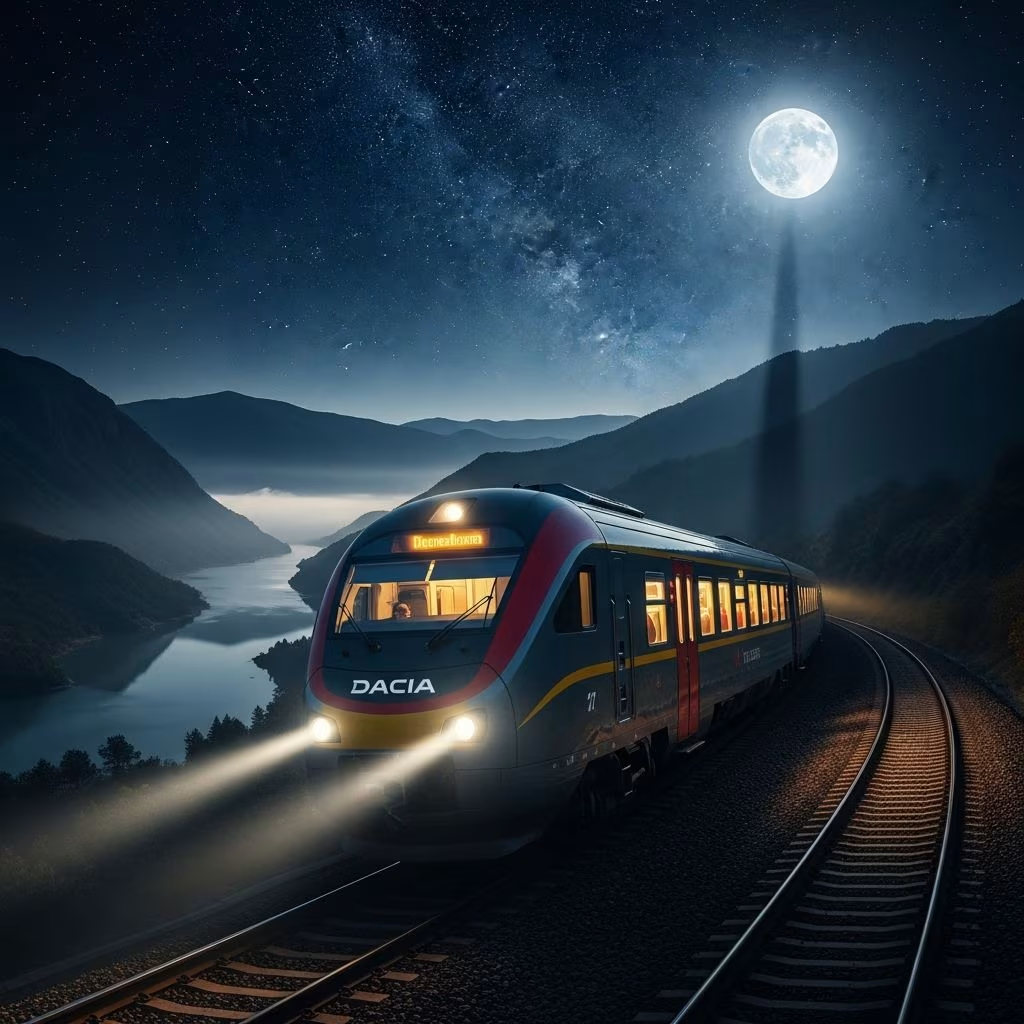
The Dacia Express stands as one of Europe’s last true classic night trains, offering a nearly 19-hour voyage from Vienna, Austria, to Bucharest, Romania. This iconic route spans over 1,100 kilometers, crossing Austria, Hungary, and Romania while delivering an unhurried journey through diverse landscapes and cultures.
In an era dominated by high-speed rails and flights, the Dacia Express invites travelers to embrace slow travel. Departing Vienna in the evening and arriving in Bucharest the next afternoon, it provides ample time to unwind, reflect, and connect with fellow passengers. Unlike modern luxury sleepers, this train retains a nostalgic charm with its vintage carriages and openable windows for fresh air.
Travelers report a mix of excitement and realism: the journey fosters camaraderie in shared compartments, especially during border formalities that punctuate the night. It’s ideal for those seeking an authentic European rail experience without the frills, connecting Western Europe to the Balkans affordably.
The Dacia Express, operated by CFR Călători (Romanian Railways) as EuroNight IRN 346, begins at Vienna Hauptbahnhof around 7:40 PM, passes through Budapest late evening, and reaches Bucharest Nord after 18-20 hours, often with minor delays. Key stops include Sopron (Austria), Budapest-Kelenföld (Hungary), and Arad before entering Romania.
| Leg | Departure | Arrival | Distance | Highlights |
|---|---|---|---|---|
| Vienna to Budapest | 19:40 | 23:30 | ~250 km | Austrian plains, Hungarian entry |
| Budapest to Arad | 00:10 | 05:30 | ~300 km | Night border crossing |
| Arad to Bucharest | 06:00 | 18:20 | ~550 km | Carpathian Mountains views |
Average speed hovers at 60 km/h due to older infrastructure, emphasizing the leisurely pace. Always check for updates, as border procedures can add time.
The train features varied classes to suit budgets and comfort levels.
Compartments show wear—faded upholstery, basic linens—but function well. Attendants provide bedding and lock doors for security.
Tickets go on sale 90 days ahead via CFR’s website or resellers like Eurail. Book early for sleepers, as they fill fast, especially summer. Prices fluctuate; expect €97-€169 total for couchettes including supplements.
Pro Tip: Opt for reverse direction (Bucharest to Vienna) for morning Carpathian scenery. Use rail passes where valid, but night train reservations are mandatory.
Board at Vienna Hauptbahnhof amid a bustling international crowd. Compartments are compact: two lower bunks, two uppers, a table, and reading lights. No Wi-Fi or power at every seat, so charge devices early.
As the train rolls into Hungary, expect passport checks around midnight at Szolnok or Curtici. Lights dim, but conversations linger among passengers—Turkish expats, backpackers, locals. Sleep is interrupted by stops, but the rhythmic clatter lulls many.
Wake to stunning views of Romania’s Transylvanian Alps: misty peaks, forests, and villages. This segment rivals Europe’s most scenic rails. Breakfast? Pack your own—snacks from Budapest vendors help.
Pull into Gara de Nord 1-2 hours late, greeted by urban energy. The station buzzes with taxis and metro links.
No dedicated dining car since recent cuts, disappointing fans of the old bistro’s grilled meats and beers. Instead:
Compartments have a small sink; restrooms are functional but queue during peaks. Open windows allow breezes, a rare feature.
Delays are common—plan buffers for connections. Compartments feel dated: no AC in some, variable cleanliness. Border crossings involve officials entering compartments, potentially disruptive. Noise from corridors or tracks tests light sleepers.
Yet, this authenticity draws adventurers. Reviews praise the value and memories over luxury.
| Category | Items | Why? |
|---|---|---|
| Sleep | Earplugs, eye mask, light blanket | Light leaks, noises |
| Food | Non-perishables, water bottle | Limited service |
| Tech | Power bank, offline maps | No reliable Wi-Fi |
| Essentials | Snacks, toiletries, passport copies | Border checks |
Riding the Dacia cuts emissions vs. flying: one train vs. hundreds of planes. It supports local rail networks and immerses you in Eastern Europe’s pulse—from Vienna’s elegance to Bucharest’s grit.
Yes, with locked compartments and attendants. Standard precautions apply.
Via CFR site 90 days out; use English version or apps.
4-berth couchette balances cost/privacy.
No full car; self-cater.
Often 1-2 hours; build in time.
From Vienna: Day trips to Salzburg. In Bucharest: Explore Old Town, day trip to Brașov. Link to Istanbul via other sleepers.
