

 Travel Essentials
 Travel Essentials

A comprehensive travel guide to Croatia's Dalmatian Coast featuring top destinations, activities, beaches, national parks, and practical travel tips for unforgettable adventures.
 Travel Essentials
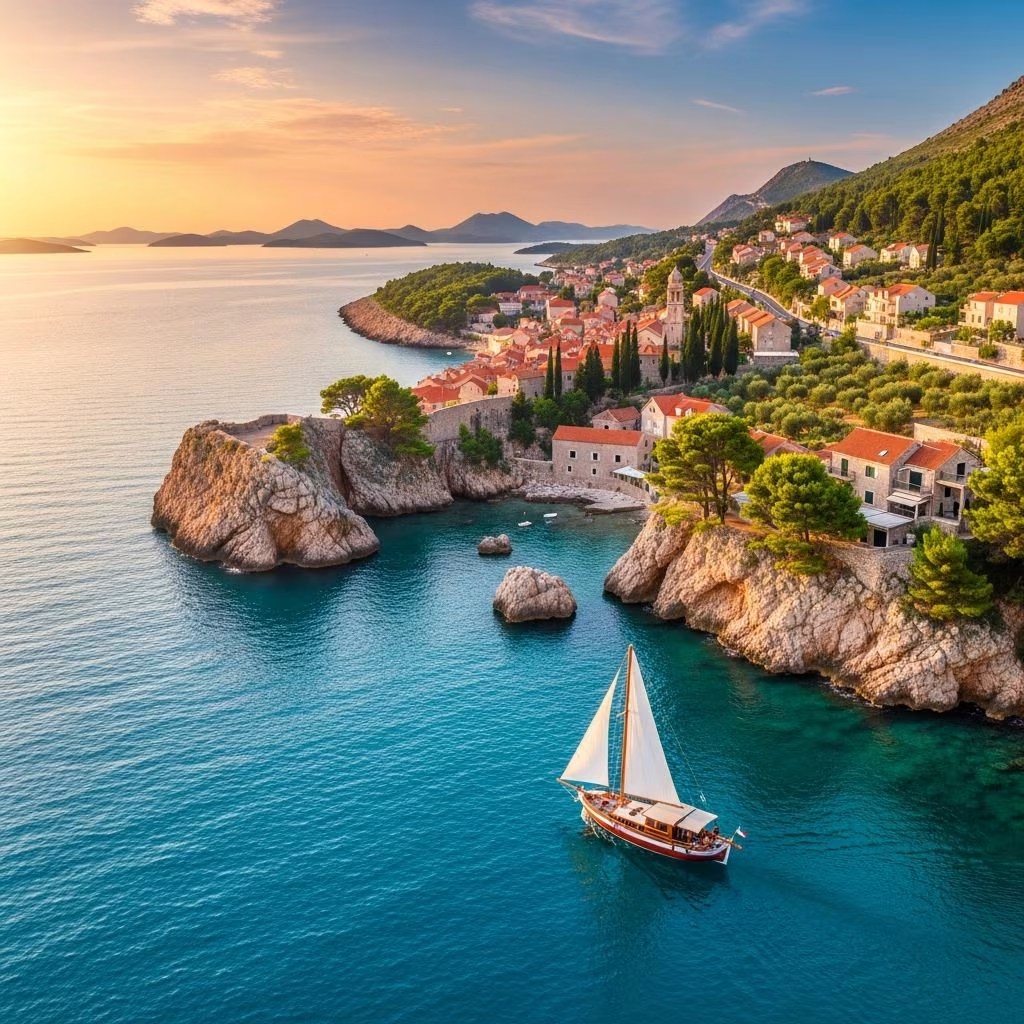
The Dalmatian Coast represents one of Europe’s most captivating coastal destinations, offering visitors an intoxicating blend of ancient history, natural splendor, and Mediterranean hospitality. This breathtaking stretch of shoreline along Croatia’s southern region has captured the imagination of travelers seeking authentic experiences far removed from the conventional tourist circuit. With its distinctive combination of azure waters, verdant landscapes, and culturally rich settlements, the Dalmatian Coast provides the ideal foundation for an unforgettable European getaway.
The Dalmatian Coast stretches approximately 233 miles from the Kvarner Gulf to the narrows of Kotor in Montenegro. This remarkable region encompasses a central coastal strip interspersed with hundreds of islands distributed throughout the Adriatic Sea. The geography creates a distinctive environment where terrestrial and maritime ecosystems converge, producing landscapes of extraordinary visual impact. The rugged Dinaric Alps form a dramatic backdrop, their geology contributing to the remarkably transparent seawater that defines the region’s character.
The climate follows a Mediterranean pattern, with scorching summers and mild winters. July and August represent the warmest months, making this period the peak tourism season. However, shoulder seasons offer comparable natural beauty with fewer crowds, presenting attractive alternatives for travelers seeking a more tranquil experience.
The Dalmatian Coast features several significant cities that serve as cultural and logistical hubs for visitors. Each destination possesses distinctive characteristics that appeal to different travel preferences.
Split functions as the largest city in Dalmatia and the second-largest metropolitan area in Croatia. The city’s defining landmark is Diocletian’s Palace, a monumental Roman structure that stands as an architectural marvel and UNESCO testament. Built by Roman Emperor Diocletian in the fourth century, the palace complex has evolved over millennia into an organic urban neighborhood where residents inhabit centuries-old stone structures.
Beyond historical attractions, Split offers vibrant contemporary culture, excellent culinary establishments, and convenient beach access. The city serves as an optimal base for exploring Central Dalmatia, with ferries connecting to nearby islands and the mainland featuring multiple family-friendly beaches including the renowned Bačvice, distinguished by its spotless shingle beaches and art-deco pavilion.
Dubrovnik maintains status as Croatia’s premier tourist destination and represents the Dalmatian Coast’s most internationally recognized city. The medieval walled city captivates visitors through its exceptionally preserved architecture, dramatic clifftop positioning, and authentic Renaissance character. Ancient fortification walls encircle the Old Town, offering visitors the opportunity to circumnavigate the settlement while absorbing panoramic Adriatic vistas.
Beyond these major centers, numerous smaller municipalities deserve exploration. Zadar functions as the primary gateway to Northern Dalmatia, featuring ancient Roman heritage and an appealing waterfront. Šibenik presents a UNESCO-listed cathedral and authentic medieval architecture. Trogir offers enchanting medieval character, while Primosten maintains its Mediterranean charm through carefully preserved churches and picturesque promenades.
The Dalmatian archipelago comprises hundreds of islands, with the most compelling destinations including Hvar, Korčula, Brač, Vis, Mljet, Lastovo, Dugi Otok, Pag, Rab, Cres, and Krk. These islands represent ideal bases for exploring the region’s maritime character and experiencing authentic coastal Mediterranean living.
Hvar Island has achieved international recognition for its distinctive lavender fields, crystalline waters, and sophisticated nightlife. The island balances cultivated elegance with authentic Dalmatian character, featuring charming villages, excellent wine production, and vibrant dining establishments. The combination of natural beauty and contemporary amenities makes Hvar particularly appealing to travelers seeking cultural engagement alongside leisure activities.
Brač Island showcases the famous Zlatni Rat beach, a distinctive geographical formation where golden pebbles extend approximately one-third mile into translucent turquoise waters. This natural phenomenon creates an ever-shifting landscape as tides and currents continuously reshape the shoreline. Beyond this celebrated beach, the island preserves authentic Dalmatian villages offering insight into traditional Mediterranean settlement patterns and agricultural practices.
Vis Island presents visitors with archaeological treasures, fascinating war relics, and secluded swimming locations among emerald-green waters. The island’s elevated terrain provides exceptional vantage points where visitors can enjoy sunset cocktails or local wine production while surveying the surrounding Adriatic expanse.
Mljet Island features Mljet Island National Park, encompassing distinctive saltwater lakes and scenic cycling paths. The well-marked route encircling Veliko Jezero (Great Lake) delivers abundant rugged scenery and opportunities for water-based recreation.
The Dalmatian Coast features countless beaches representing diverse preferences and activity levels. Beaches range from sandy stretches to pebbled shores, each offering distinct environmental characteristics and recreational opportunities.
The Dalmatian region encompasses several protected natural areas that showcase Mediterranean ecosystems and geological diversity.
Krka National Park features the region’s most celebrated waterfalls and comprehensive hiking trail networks. The park encompasses emerald-green cascades plunging through limestone formations, creating surreal swimming opportunities amid natural splendor. A monastery perched within Visovac Lake adds spiritual and historical dimensions to the natural landscape.
Kornati National Park comprises approximately 150 landforms creating a sublime maritime seascape. This extensive archipelago of more than 100 islands and islets proves ideal for sailing expeditions, providing 89 distinct islands for exploration. Boat tours reveal towering cliffs, sandy beaches, and protected bays accessible primarily through water-based transportation.
Paklenica National Park attracts hikers through an extensive network of canyon systems and dramatic peaks forming the Velebit Mountain range. The park presents opportunities for challenging hikes and technical climbing while maintaining accessibility for varying fitness levels.
Located on Dugi Otok, Telašćica Nature Park features a protected bay and the serene Mir salt lake. Hiking trails traverse Mediterranean scenery, connecting visitors with unspoiled natural environments rarely encountered in heavily trafficked destinations.
Beyond coastal attractions, the Dalmatian region offers mountainous terrain providing elevated perspectives and energetic activities.
Biokovo Mountains: Coach excursions ascend these protected peaks via notoriously winding roads leading to Sveti Jure, offering staggering vistas across the Makarska Riviera and surrounding Adriatic expanse.
Makarska Riviera: This coastal strip combines stunning beaches with dramatic mountainous backdrops, creating photogenic scenery throughout the region.
The Dalmatian Coast maintains a distinguished culinary legacy spanning centuries, with local traditions reflecting Mediterranean influences and seasonal ingredient availability.
The region boasts extensive wine-making history attracting oenophiles globally. Local vineyards produce distinctive varietals benefiting from maritime climate conditions and traditional viticultural practices. Island wines, particularly those from Hvar and Vis, offer unique flavor profiles reflecting terroir characteristics.
Traditional dining establishments called konobas offer authentic regional cuisine prepared using time-honored methods and locally sourced ingredients. Simultaneously, Michelin-starred restaurants demonstrate the region’s culinary sophistication, proving the Dalmatian Coast accommodates diverse gastronomic preferences and budget considerations.
Beyond passive beach relaxation, the Dalmatian Coast facilitates numerous activity-based pursuits.
The Dalmatian Coast remains a year-round destination, though distinct advantages characterize different seasons. Summer months prove ideal for beach-focused activities and island exploration via sailboat. Shoulder seasons offer comparable natural beauty alongside reduced crowds and more moderate temperatures.
Zadar functions as the northern gateway, providing convenient access via ferry to Dugi Otok and Kornati Islands. Southern progression leads toward Split, Hvar, and Dubrovnik, with water-based transportation connecting most destinations efficiently.
The region accommodates diverse accommodation preferences, from luxury coastal resorts to intimate family-operated establishments in medieval towns and island villages. Urban centers offer contemporary amenities, while smaller settlements provide authentic Mediterranean experiences.
The Dalmatian Coast reflects numerous historical empires and cultural influences shaping its contemporary character. Venetian settlements, cities constructed around Roman imperial palaces, and medieval fortifications defending against Ottoman expansion collectively narrate centuries of Mediterranean history. UNESCO-protected sites throughout the region testify to exceptional cultural significance and architectural preservation efforts.
Planning a memorable Dalmatian Coast experience requires balancing diverse interests across available time constraints. Urban explorers might prioritize Dubrovnik and Split, combining historical immersion with contemporary cultural engagement. Beach enthusiasts should allocate time for island-hopping and specific beach destinations matching their preferences. Adventure seekers benefit from incorporating national park visits and hiking expeditions alongside coastal exploration.
The Dalmatian Coast’s remarkable diversity ensures virtually every traveler discovers compelling experiences matching their specific interests and travel philosophy. Whether seeking historical enrichment, natural beauty, culinary adventures, or leisurely beach relaxation, this Mediterranean destination delivers exceptional value and unforgettable memories that persist long after returning home.
