


 Food & Culture
Food & Culture
David Bowie’s “Let’s Dance” Video: The Carinda Pub Story
How David Bowie's Let’s Dance video turned a tiny New South Wales pub into a global music landmark, blending style, outback grit, and anti-racist symbolism.
 Food & Culture
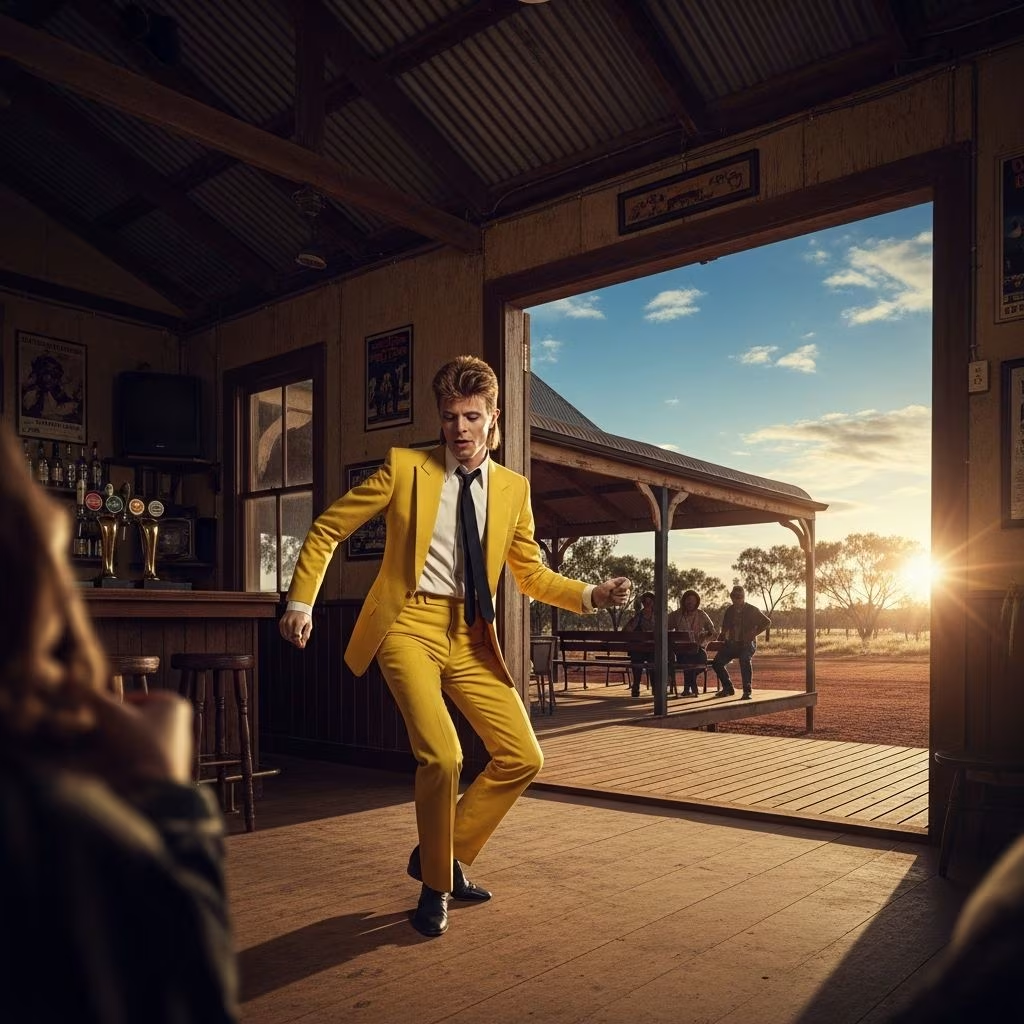
David Bowie’s 1983 hit “Let’s Dance” not only topped charts worldwide but also captured imaginations through its striking music video filmed in the remote Australian outback. The centerpiece? A humble pub in the tiny town of Carinda, New South Wales, transformed into a cinematic symbol of cultural clash and social awakening. This piece delves into the video’s creation, its deeper meanings, the location’s allure, and why it continues to draw fans decades later.
The Genesis of a Global Hit
In the early 1980s, David Bowie was reinventing himself yet again, transitioning from glam rock icon to pop superstar with his album Let’s Dance. Released in April 1983, the title track became his first number-one single in the US and UK, propelled by a video that juxtaposed Bowie’s flamboyant style against the stark Australian bush. Director David Mallet chose two contrasting settings: the vibrant Aboriginal community of La Perouse near Sydney and the isolated Carinda Hotel in the outback, over 700 kilometers northwest of Sydney.
The decision to film in Australia stemmed from Bowie’s fascination with the continent’s vast landscapes and indigenous cultures. He arrived in February 1983 amid a heatwave, embracing the authenticity of real locations rather than studio sets. Local dancers, including young Aboriginal performer Joelene King, brought genuine energy to scenes of youthful romance and rebellion against oppression.
Decoding the Video’s Powerful Imagery
At first glance, the video pulses with 1980s flair—Bowie in a dapper white suit, strutting under neon lights inside the Carinda pub, intercut with outback dust and campfire dances. But beneath the catchy rhythm lies a stark commentary on racism and inequality. Bowie himself described the visuals as “very simple, very direct… almost like Russian social realism, very naive.” The core message? “It’s wrong to be racist.”
- Pub Scenes: Bowie dances solo in the dimly lit bar, evoking isolation amid a sea of empty chairs, symbolizing detachment from everyday Australian life.
- Outback Romance: A young couple’s tender moments by a fire highlight innocence disrupted by authority figures enforcing segregation.
- Act of Defiance: The lovers burn a Union Jack flag, a bold statement on colonial legacies and indigenous struggles.
These elements elevated the video beyond mere promotion, making it a cultural touchstone that resonated during a time of growing awareness about Aboriginal rights in Australia.
Carinda: From Dusty Dive to Bowie Shrine
Carinda, a speck on the map with fewer than 200 residents, owes much of its fame to that three-day shoot in 1983. The wooden Carinda Hotel, built in 1925, features creaky floors, a long bar, and walls adorned with Bowie memorabilia today. During filming, production crews filled the pub with extras, turning it into a lively hub despite the 40°C (104°F) heat.
Post-shoot, the town embraced its celebrity status. Fans like New Zealand’s Dean Goodman, who watched the video as a teen in 1983, later reflected on its surreal impact from 1,800 miles away. Australian enthusiast Freestate revisited in 2007, capturing photos and stories of the enduring legacy.
| Aspect | Then (1983) | Now |
|---|---|---|
| Population | ~150 | ~100 |
| Pub Features | Basic bar, no AC | Bowie murals, fan photos |
| Visitor Draw | Local farmers | International pilgrims |
Bowie’s Enduring Bond with Australia
Bowie’s Australian affinity ran deep. He toured the country multiple times, from 1978’s Low and Heroes shows to 1983’s Serious Moonlight tour, which coincided with the video shoot. The outback’s raw beauty mirrored his artistic ethos—unpolished, profound, and transformative. Photographer Ellis Jones noted the bizarre sight of Bowie amid the “dry, hot, and dusty” landscape, underscoring the video’s thematic depth on indigenous issues.
The clip’s dual focus on young love and rights amplified its reach, influencing perceptions of Australia abroad. Bowie’s commitment shone through in unscripted moments, like chatting with locals and adapting to outback hardships without complaint.
Pilgrimaging to the Bowie Pub: A Traveler’s Guide
For music fans and adventurers, Carinda offers an authentic outback quest. Fly into Sydney, then drive via Dubbo (about 8-10 hours) or catch a regional flight. The pub serves cold beers, hearty meals like lamb shanks, and tales from bartender Wayne, a fixture since the ’80s.
- Plan Your Route: Via Newell Highway; stock up on fuel and water.
- Stay Options: Pub rooms or nearby Lightning Ridge caravan parks.
- Must-Dos: Pose by the Bowie plaque, join a bush dance, stargaze in the clear skies.
- Best Time: Cooler months (May-September) to avoid summer scorchers.
Visitors report transformative experiences, blending nostalgia with Australia’s rugged spirit. One fan recounted sleeping in the pub’s backyard under a billion stars, feeling Bowie’s presence in the quiet night.
The Video’s Lasting Cultural Echoes
Over 40 years on, “Let’s Dance” streams millions of times yearly, its video a staple on MTV retrospectives. It spotlighted Aboriginal stories pre-Royal Commission into deaths in custody, fostering dialogue on reconciliation. Bowie’s passing in 2016 spurred renewed interest, with Carinda hosting memorial events.
In broader music video history, it pioneered location authenticity, inspiring artists like Midnight Oil, who channeled similar socio-political vibes. Today, TikTok recreations and fan art keep the flame alive, proving the pub’s footage transcends time.
Behind-the-Scenes Filming Tales
Production faced outback realities: dust storms halted shoots, Bowie sweated through suits, and locals provided camels and horses impromptu. Young extras, unaccustomed to fame, danced freely, infusing realism. Mallet captured over 20 hours of footage, editing into a 4-minute masterpiece aired March 1983.
Bowie praised the crew’s resilience, noting how the isolation fostered creativity. No doubles were used; every strut was his, amplifying the video’s intimacy.
Why This Video Still Captivates
Its appeal lies in contrasts: glamour vs. grit, joy vs. injustice, celebrity vs. community. For Australians, it’s a proud footnote; for global fans, a portal to hidden wonders. As climate change alters outback life, Carinda endures as a testament to timeless art.
Frequently Asked Questions
Where exactly was the ‘Let’s Dance’ video filmed?
The pub scenes were at Carinda Hotel, New South Wales; outback and beach shots at La Perouse and nearby areas.
Can you visit the pub today?
Yes, it’s open to travelers. Call ahead for Bowie tours and accommodations.
What message did Bowie intend?
A simple anti-racism statement through naive, direct storytelling, as he described.
Is Carinda worth the trip?
For Bowie devotees and outback lovers, absolutely—raw, welcoming, unforgettable.
Any upcoming events?
Check local councils for fan meetups; annual Bowie nights occur sporadically.
References
- The outback pub in David Bowie’s “Let’s Dance” video — Dean Goodman. 2023 (approx., based on context). https://deangoodman.com/david-bowie-lets-dance-video/
- David Bowie and Australia — Ellis Jones. N/D. https://ellisjones.com.au/david-bowie-and-australia/
- Let’s Dance Video – Bowie Downunder — Bowie Downunder. 2007 (updated). http://www.bowiedownunder.com/letsdancevideos/letsdancevideos.htm
On This Page
The Genesis of a Global Hit Decoding the Video's Powerful Imagery Carinda: From Dusty Dive to Bowie Shrine Bowie's Enduring Bond with Australia Pilgrimaging to the Bowie Pub: A Traveler's Guide The Video's Lasting Cultural Echoes Behind-the-Scenes Filming Tales Why This Video Still Captivates Frequently Asked Questions← Previous
Inside the Lisa Frank Hotel Room in Downtown Los Angeles
Next →
Best U.S. National Parks for Wildflowers
Related Reading
More in Food & Culture
Food & Culture Food & Culture
 Food & Culture
Best Places to Eat in Rome: Neighborhood Dining Guide
 Food & Culture
 Food & Culture