

 Travel Essentials
 Travel Essentials

Explore prime locations for viewing cherry blossoms around Washington DC, from iconic landmarks to hidden gems, with timing tips and photography guidance.
 Travel Essentials
Each spring, Washington DC undergoes a remarkable transformation as thousands of cherry trees burst into bloom, creating a landscape of delicate pink and white petals that captivates over 1.5 million annual visitors. This natural spectacle has become synonymous with the nation’s capital, drawing both first-time tourists and seasoned travelers who return year after year to witness this fleeting seasonal beauty. The cherry blossom phenomenon represents far more than just scenic beauty—it’s a cultural celebration that brings the entire city to life during the spring months, offering countless opportunities for memorable experiences, stunning photography, and peaceful outdoor exploration.
One of the most critical factors for planning a cherry blossom visit is understanding what peak bloom actually means. Peak bloom occurs when approximately 70 percent of the Yoshino cherry trees at the Tidal Basin have fully opened their blossoms. This precise definition helps visitors determine the optimal window for viewing the flowers in their full splendor. The 2026 festival season runs from March 20 through April 12, with predicted peak bloom falling between March 23-30. However, it’s important to recognize that bloom dates shift annually based on winter temperatures and spring weather patterns.
The National Park Service maintains real-time bloom watches beginning in early March, allowing visitors to track flower development and adjust their travel plans accordingly. Rather than aiming for a single day, travelers should plan their visits within a 4-7 day window around the forecasted peak bloom date to maximize the likelihood of catching the flowers in their prime. This flexible approach accommodates the unpredictability of spring weather and ensures a higher success rate for viewing the blossoms at their most spectacular stage.
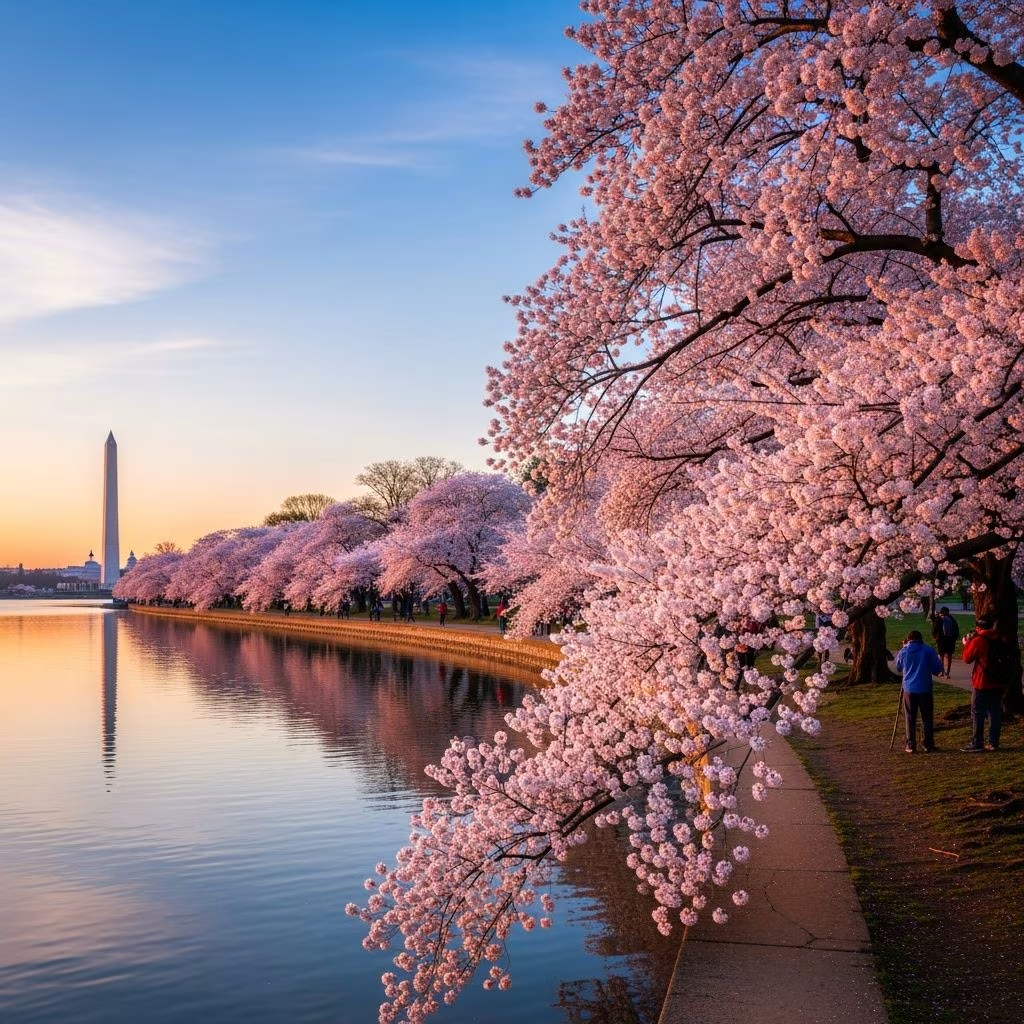
The Tidal Basin stands as the undisputed centerpiece of Washington DC’s cherry blossom experience, featuring over 3,000 trees that frame the water’s edge with magnificent blooms. This iconic location provides unparalleled backdrops for photographs, with the Jefferson Memorial, FDR Memorial, and Martin Luther King Jr. Memorial positioned strategically around the basin’s perimeter. The approximately 2.1-mile walking loop encompasses dense clusters of cherry trees and creates water reflections that enhance the photographic appeal of every angle.
Timing is essential for maximizing the Tidal Basin experience. Early morning visits—specifically between 6:30 and 7:30 AM—offer the advantage of softer light and significantly fewer crowds, making sunrise the ideal time for both photography and peaceful contemplation. Visitors should note that paddle boats operate on the basin, providing a unique perspective of the blossoms from the water and offering an alternative way to experience the landscape. The Tidal Basin is accessible via the Smithsonian Metro station on the Blue, Orange, and Silver lines, making it highly convenient for those using public transportation.
While tourists congregate at the Tidal Basin, knowledgeable DC residents and experienced travelers venture to East Potomac Park, also known as Hains Point. This 4-mile loop trail, officially called the Hains Point Loop Trail, features hundreds of cherry trees with substantially fewer visitors competing for viewing space and photography opportunities. The trail encompasses views of the Potomac River, Anacostia River, and Washington Channel, providing waterfront backdrops that rival more crowded locations.
What makes East Potomac Park particularly special is its collection of diverse cherry blossom species—approximately ten different varieties bloom at slightly different times. This botanical diversity means that even if one species has passed peak bloom, others may still be in their full flowering stage. Late afternoon visits offer golden hour lighting that enhances photography, and the Free Wharf Jitney shuttle provides convenient access to the area. The Hains Point Loop Trail spans 4.4 miles and provides ample photo opportunities throughout its length, offering a more intimate cherry blossom experience away from the crowds.
Located in Northeast DC, the U.S. National Arboretum presents a compelling alternative for visitors seeking cherry blossoms within a quieter, more natural setting. The 446-acre property features expansive gardens, walking trails, and open fields that create ample space for peaceful exploration without the typical crowd congestion found at the Tidal Basin. The Arboretum’s diverse collection of cherry tree varieties means that peak bloom at this location typically occurs at slightly different times compared to the Tidal Basin, providing visitors with a second opportunity to catch peak bloom if their initial timing misses the mark.
The experience at the National Arboretum differs fundamentally from crowded urban viewing spots. Here, visitors can enjoy a contemplative stroll beneath the blossoms while absorbing the broader botanical context of the property. Located at 3501 New York Avenue NE, the Arboretum offers a more naturalistic cherry blossom experience. It’s worth noting that commercial photography is prohibited on the grounds, so visitors should plan accordingly if professional photo sessions are part of their agenda.
Dumbarton Oaks, an historic Georgetown estate, presents cherry blossoms within an elegant garden setting. The 10-acre property features pathways lined with flowering cherry trees, creating a controlled garden environment that offers refined beauty and peaceful exploration. Cherry Hill at peak bloom becomes particularly spectacular, transforming into a sea of blossoms that provides exceptional photographic opportunities. The gardens remain open daily except Mondays, allowing flexible scheduling for visits.
Located at 1703 32nd Street NW in the Georgetown neighborhood, Dumbarton Oaks combines horticultural excellence with architectural interest. The estate’s gardens provide a more intimate viewing experience than the National Mall locations, making it ideal for visitors preferring quiet contemplation over crowded spectacles.
The U.S. Capitol grounds feature Yoshino cherry trees that create spectacular photo opportunities framing the Capitol building itself. This location often gets overlooked by tourists focused exclusively on the Tidal Basin, meaning fewer crowds and better photography conditions. Visitors can combine their cherry blossom viewing with tours of the Library of Congress or Supreme Court, maximizing their time in the nation’s capital. The Capitol South Metro station on the Blue, Orange, and Silver lines provides convenient access.
The Washington Monument area represents one of the best sunrise photography locations in the city. The open space allows visitors to frame blossoms with the iconic monument in the background, and early morning hours provide significantly fewer crowds than the Tidal Basin. The expansive National Mall setting provides flexibility for moving between different viewing angles throughout the day.
This local secret features 150 cherry trees creating a sea of pink during spring blooming season, yet attracts far fewer crowds than the National Mall locations. The Basilica of the National Shrine offers a unique combination of horticultural beauty and stunning church architecture, providing photographic contrasts unavailable at secular monuments. Located at 400 Michigan Avenue NE, the property is accessible via the Brookland-CUA station on the Red Line.
The marble steps at the Jefferson Memorial provide an ideal vantage point for capturing panoramic views of the blossoms along the Tidal Basin. From this elevated position, photographers can frame the Basin in the foreground while including the Washington Monument in the distance, creating a comprehensive landscape composition that showcases multiple elements of DC’s iconic scenery.
The Martin Luther King Jr. Memorial, surrounded by some of the newest cherry blossom trees planted in 2011, offers another exceptional photographic location. The 30-foot statue provides substantial visual weight in compositions, with pink and white blossoms creating striking color contrasts against the sculpture.
Sunrise visits between 6:30 and 7:30 AM offer several advantages: soft, directional light flatters the delicate blossoms, and significantly fewer people occupy popular viewing spots, allowing photographers to work without excessive crowding. Sunset photography, while more crowded, produces particularly beautiful warm-toned light that creates distinctive atmospheric effects. Late afternoon visits to East Potomac Park capture golden hour light that enhances the visual impact of the blossoms.
Overcast days, often avoided by photography enthusiasts, actually provide excellent conditions for cherry blossom viewing. Diffused light eliminates harsh shadows, creates even exposure across the delicate petals, and enhances color saturation in photographs.
The Washington DC Metro system provides convenient access to most major cherry blossom viewing locations. The Smithsonian station serves the Tidal Basin area, Capitol South provides Capitol Grounds access, and the Brookland-CUA Red Line station connects to the Basilica. The free Wharf Jitney shuttle offers easy transport to East Potomac Park. For those preferring active transportation, the trail systems at East Potomac Park and the National Arboretum accommodate both walking and cycling.
The 2026 festival runs from March 20 through April 12, encompassing various cultural events, performances, and celebrations throughout the city. Beyond simply viewing the blossoms, visitors can participate in organized activities that celebrate this cultural phenomenon. The festival provides structured programming for those seeking guided experiences.
Understanding crowd patterns allows visitors to maximize their experience. Early morning hours—before 8 AM—offer significantly fewer people at all major locations. Weekday visits experience substantially lower crowds compared to weekends. Secondary locations like East Potomac Park, the National Arboretum, and the Basilica provide less crowded alternatives to the perpetually busy Tidal Basin. Planning visits outside the predicted peak bloom dates, while slightly reducing the likelihood of catching absolute peak conditions, dramatically decreases crowds.
Cherry blossoms typically bloom in late March through early April. The 2026 festival runs from March 20 through April 12, with predicted peak bloom between March 23-30. However, exact dates vary annually based on winter temperatures and spring weather patterns.
Peak bloom is defined as when approximately 70 percent of the Yoshino cherry trees at the Tidal Basin have fully opened. The National Park Service provides real-time bloom watch updates starting in early March to help visitors track progress.
East Potomac Park (Hains Point), the National Arboretum, and the Basilica of the National Shrine typically experience significantly fewer crowds than the Tidal Basin. Early morning visits to any location dramatically reduce crowding.
Sunrise (6:30-7:30 AM) provides soft light and minimal crowds, while late afternoon offers golden hour warmth. Overcast days provide excellent conditions despite appearing less ideal.
Yes, paddle boats operate on the Tidal Basin during cherry blossom season, providing unique perspectives of the blossoms from the water.
Yes, Breaux Vineyards in Purcellville hosts cherry trees and organizes its own Cherry Blossom Festival, typically held on March 22.
Successful cherry blossom experiences require some advance planning. Monitor the National Park Service bloom watch beginning in early March to determine optimal travel timing. Arrange accommodations well in advance, as spring season brings increased tourism demand. Download Metro transit applications for easy navigation, and consider purchasing a ChartCode-friendly phone app for real-time transit updates. Bring weather-appropriate clothing, as spring temperatures can vary significantly, and pack sunscreen regardless of cloud cover. Comfortable walking shoes are essential for exploring the various viewing locations, particularly the Hains Point Loop Trail’s 4.4-mile length.
Charge your camera or smartphone before dawn photography sessions, and consider bringing a portable battery bank for extended shooting. Arrive at popular locations well before sunrise or plan mid-day visits to avoid peak crowds. Download offline maps of each location to ensure easy navigation without cellular reliance.
