

 Travel Essentials
 Travel Essentials

Comprehensive guide to Death Valley National Park: top attractions, itineraries, safety essentials, and planning advice for first-time visitors seeking epic desert landscapes.
 Travel Essentials
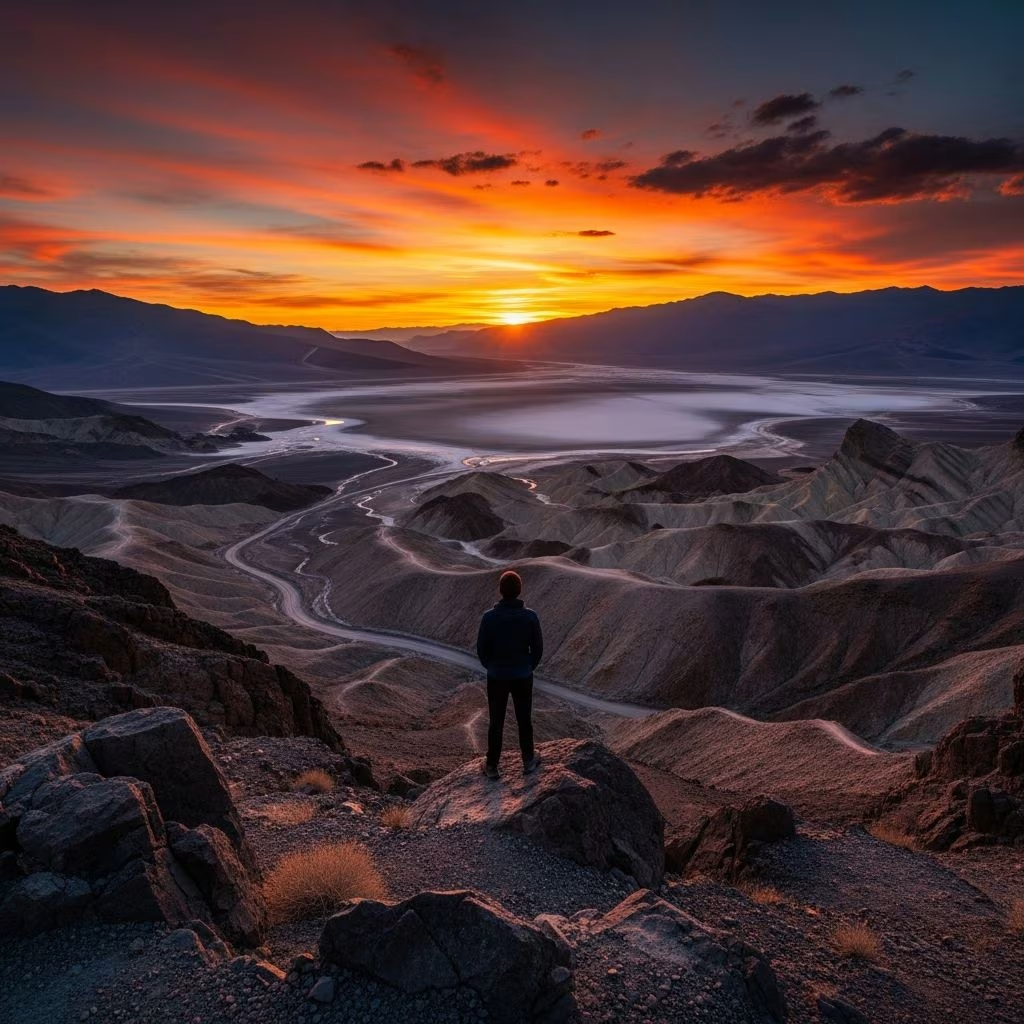
Death Valley National Park stands as one of the most extreme and captivating destinations in the United States, renowned for its record-breaking heat, vast salt flats, towering sand dunes, and colorful badlands. Spanning over 3.4 million acres across California and Nevada, this park offers a surreal landscape that feels like another planet, drawing adventurers eager to witness its geological wonders.
The park’s allure lies in its dramatic contrasts: from the lowest point in North America at Badwater Basin, 282 feet below sea level, to panoramic vistas at Dante’s View rising over 5,000 feet above. Extreme temperatures, unique formations shaped by millions of years of erosion, and sparse but resilient desert life create an environment unlike anywhere else. Visitors come for the photography opportunities, hiking challenges, and the thrill of surviving one of the harshest climates on Earth.
Timing is crucial due to the park’s intense heat, which can exceed 120°F (49°C) in summer. The optimal season runs from November to March, when daytime temperatures hover between 60-80°F (15-27°C) and nights cool down comfortably. Spring (February-April) brings wildflower blooms after rains, transforming barren valleys into colorful displays. Avoid July and August unless you’re prepared for life-threatening conditions; even then, rangers advise against extended outdoor activity.
Death Valley is accessible from major hubs like Las Vegas (2 hours west) or Los Angeles (4-5 hours northeast via Highway 395). Fly into McCarran International Airport (LAS) or Bishop Airport (BIH) for closer access. Once inside, a high-clearance vehicle is recommended for unpaved roads, though major routes like Badwater Road and Highway 190 are paved.
Key entry points include the eastern Furnace Creek area via NV-190 or the western side through Panamint Springs. Gas up in Pahrump, NV, or at park stations like Stovepipe Wells and Furnace Creek, as services are scarce. Download offline maps, as cell service is unreliable.
Survival in Death Valley demands respect for its dangers: hyperthermia, dehydration, and flash floods top the list. Carry at least 1 gallon of water per person per hour of activity, plus snacks, sun protection, and a first-aid kit. Check weather at the Furnace Creek Visitor Center, open daily 8am-5pm, for updates, exhibits, and a park film.
| Risk | Precautions |
|---|---|
| Heat Exhaustion | Hydrate frequently; hike early morning or evening; wear light clothing and hat. |
| Flash Floods | Avoid slot canyons during rain; check forecasts. |
| Vehicle Breakdown | Full tank, spare tire, emergency kit; travel with others. |
| Wildlife | Secure food from coyotes, scorpions; no feeding. |
Walk the vast, cracked salt flats of Badwater Basin, a 200-square-mile expanse glistening under the sun. Post-rain, it may form Manly Lake, a reflective mirror for photos. Venture a mile out for solitude, but wear sturdy shoes as the crust is slippery and corrosive.
This iconic overlook offers sweeping views of eroded hills in vibrant yellows, oranges, and browns. A short, steep path leads to the vista; arrive pre-dawn for uncrowded sunrises painting the landscape in fiery hues. Extend to the 2.5-mile Badlands Loop for an immersive hike through undulating terrain.
Near Stovepipe Wells, these 100-foot dunes beg for exploration. Hike at dawn or dusk to avoid heat and crowds; the tallest peaks reward with panoramic sunset views. Sand varies from packed to soft—great for photos or sledding with a board.
At 5,475 feet, this roadside overlook gazes down on Badwater Basin and across to the Sierra Nevada. A 1-mile easy trail adds elevation gain for broader vistas. Windswept and dramatic, it’s a Star Wars filming site.
This 9-mile one-way scenic loop showcases oxidized hills in greens, pinks, and purples from mineral deposits. Stop at Artist’s Palette for close-up views of the vivid rock faces. Combine with nearby Golden Canyon for a half-day adventure.
Start at Furnace Creek Visitor Center, drive to Zabriskie Point for sunrise, Artist’s Drive, Badwater Basin lunch picnic, Devil’s Golf Course, and end at Mesquite Dunes for sunset. Total: 50-70 miles.
Day 1: Darwin Falls hike, Mosaic Canyon, Mesquite Dunes sunset.
Day 2: Zabriskie sunrise, Golden Canyon loop, Dante’s View, Badwater Basin.
Day 1: Furnace Creek orientation, Harmony Borax Works, Twenty Mule Team Canyon drive, Dante’s View.
Day 2: Badwater Road full traverse: Artist’s Palette, Natural Bridge, salt flats.
Day 3: Northern reaches: Ubehebe Crater, Racetrack Playa (4WD required), return via Titus Canyon.
Options range from glamping to camping. Furnace Creek Ranch offers pools and AC rooms; The Inn at Death Valley provides luxury with views. Camp at Mesquite Spring or Furnace Creek sites—book ahead. Dining is limited: try date shakes and burgers at park cafes; stock groceries in Beatty, NV, or Pahrump.
Trails suit all levels amid stunning backdrops.
Yes, but summer visits require extreme caution; roads may close for heat or repairs.
$30 per vehicle for 7 days; America the Beautiful Pass covers it ($80 annual).
Pets allowed on leashes in developed areas and roads, but not trails—opt for Badwater Road explorations.
134°F (57°C) in 1913, though recent highs near 130°F; always verify current conditions.
Yes, evening talks and guided walks at Furnace Creek—check schedules.
Follow Leave No Trace: pack out trash, stay on trails to protect fragile cryptobiotic soil, and avoid driving off-road. Support by purchasing from the park store.
