

 Travel Essentials
 Travel Essentials

Explore Delft's captivating history of Delftware ceramics, from 17th-century origins to modern craftsmanship, alongside top attractions, dining, and practical travel tips for an unforgettable visit.
 Travel Essentials
Delft, a picturesque city in South Holland, captivates visitors with its historic canals, medieval architecture, and world-renowned blue-and-white ceramics known as Delftware. This guide delves into the city’s artistic legacy, practical travel advice, and hidden gems, offering a roadmap for an immersive experience in this Dutch treasure.
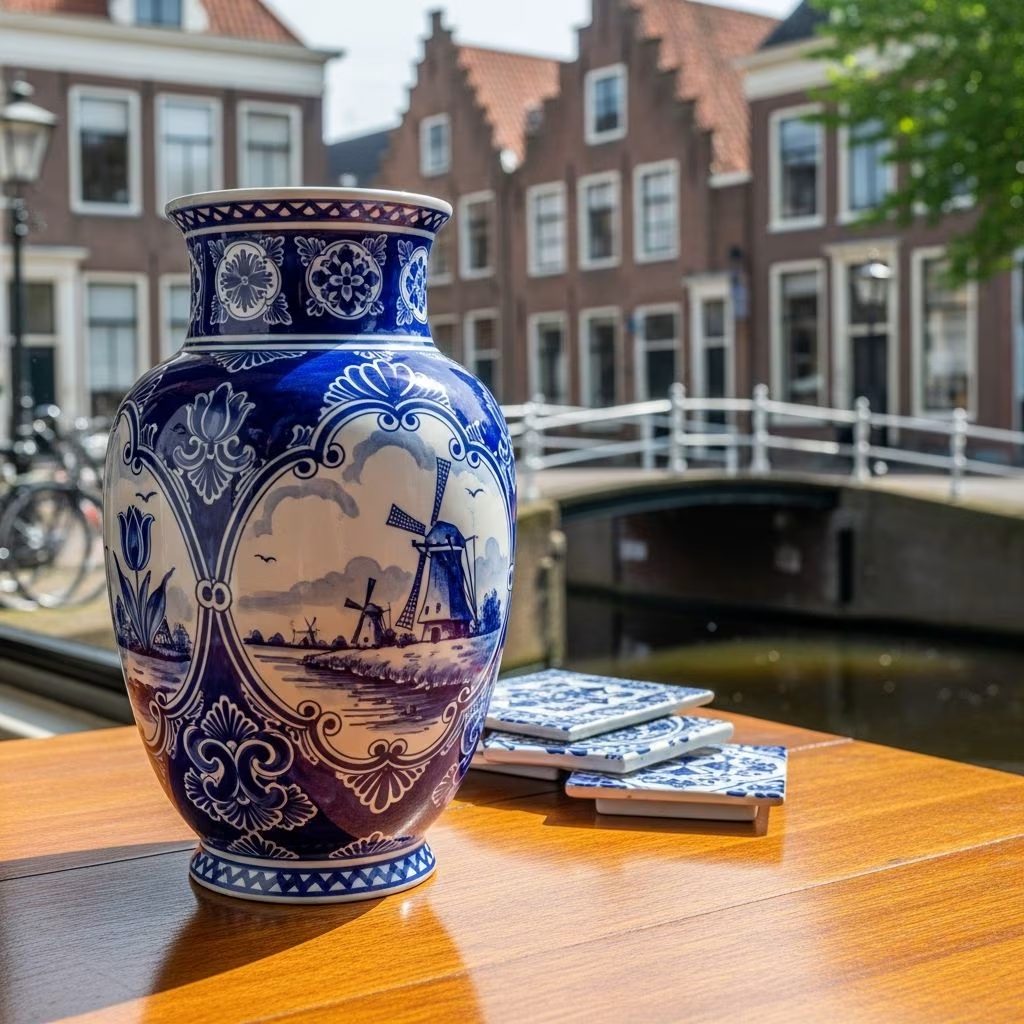
Delftware emerged in the 17th century during the Netherlands’ Golden Age, when local potters in Delft innovated tin-glazed earthenware to mimic prized Chinese porcelain imports. Unable to access kaolin clay for true porcelain, artisans developed a distinctive style using cobalt oxide for vivid blue designs on a white tin-glazed background, fired at high temperatures to achieve its signature hue.
Originally inspired by Ming dynasty Kraakware—blue-and-white pieces shipped via Portuguese carracks—Delftware evolved to incorporate Dutch motifs like windmills, tulips, and daily life scenes. Produced across multiple workshops rather than a single factory, it became a symbol of Dutch ingenuity and global trade.
Today, Delftware remains highly collectible, with authentic pieces marked by makers’ symbols on the base. While reproductions abound, genuine antiques from Royal Delft or De Delftse Pauw feature hand-painted details and historical significance.
The traditional process begins with shaping earthenware clay, followed by a first firing. A tin glaze is applied to create an opaque white surface, then skilled painters apply cobalt oxide designs—appearing gray until the final kiln firing at around 1000°C transforms them into brilliant blue.
This labor-intensive method ensures each piece is unique, blending functionality with artistry in items from practical jugs to ornate tulipieres.
Delft’s museums and factories offer hands-on encounters with its ceramic heritage.
Visit the world’s last surviving Delftware factory, Koninklijke Porceleyne Fles, founded in 1653. Watch live demonstrations of painting and firing, tour historic halls, and customize your own tile in workshops. The museum showcases 17th-century originals alongside modern works.
This vibrant studio revives traditional techniques with live painting shows and glaze-mixing demos. Purchase exclusive pieces or paint pottery on-site, immersing in the craft’s sensory world.
Explore collections at Museum Prinsenhof Delft, blending ceramics with city history, or the Vermeer Centrum for ties to the painter who immortalized Delft’s blue facades.
Delft’s allure extends to its 17th-century core, with tree-lined canals, gabled houses, and landmarks like the Nieuwe Kerk—home to William of Orange’s tomb—and the Gothic Oude Kerk, leaning playfully from age.
Stroll the Markt square for Friday markets bursting with cheese, flowers, and antiques. The Oostport gate and Koornbeurs bridge offer photo-perfect views, while houseboats and bicycles evoke authentic Dutch life.
| Landmark | Highlight | Best Time to Visit |
|---|---|---|
| Nieuwe Kerk | Panoramic tower views | Sunset |
| Oude Kerk | Leaning tower, Vermeer grave | Morning |
| Markt Square | Markets, City Hall | Fridays |
| Prinsenhof Museum | Delft history, gardens | Afternoon |
The historic center buzzes with energy, but quieter areas like the Jewish Quarter reveal serene canals and galleries. Bagijnhof, a former convent, whispers tranquility amid white-washed houses. For modern vibes, Poptahof blends street art with vintage shops.
Savor Dutch staples like stamppot (mashed potatoes with sausage) or herring at waterside cafes. Indulge in stroopwafels—caramel-filled waffles—or bitterballen croquettes. Ceramics-themed spots serve coffee in Delftware cups.
Spring tulip parades contrast beautifully with blue facades. Summer flags the ceramics market, autumn brings cozy gin tastings (jenever), and winter ices over canals for skating. The annual Delft Chamber Music Festival fills streets with melody.
Just 10 minutes by train from Rotterdam or 50 from Amsterdam Schiphol Airport. Bicycles are king—rent one to navigate like locals.
Opt for canal-view hotels like Hotel de Plataan or boutique guesthouses in historic buildings. Budget hostels cluster near the station.
Combine with Rotterdam’s modernity, The Hague’s palaces, or Leiden’s universities—all under 30 minutes away.
Hunt souvenirs in factory shops for certified pieces. Look for hand-painted marks; avoid mass-produced fakes. Popular buys: tiles, clogs, vases.
Its blue-and-white tin-glazed earthenware, handcrafted with cobalt oxide, mimicking Chinese porcelain while showcasing Dutch motifs.
Absolutely—compact, charming, and rich in history, perfect for 4-6 hours or an overnight stay.
Royal Delft and De Delftse Pauw offer tours and demos daily.
Spring for tulips or summer for markets; avoid peak July-August crowds.
Check for makers’ marks like Royal Delft’s ‘ET’ initials or factory symbols on the base.
Embrace eco-friendly habits: cycle instead of drive, support local artisans, and use reusable water bottles. Delft’s compact size minimizes carbon footprints.
