

 Travel Essentials
 Travel Essentials

Discover key insights on Denmark's weather, transport, cuisine, social norms, and top destinations to plan your perfect visit.
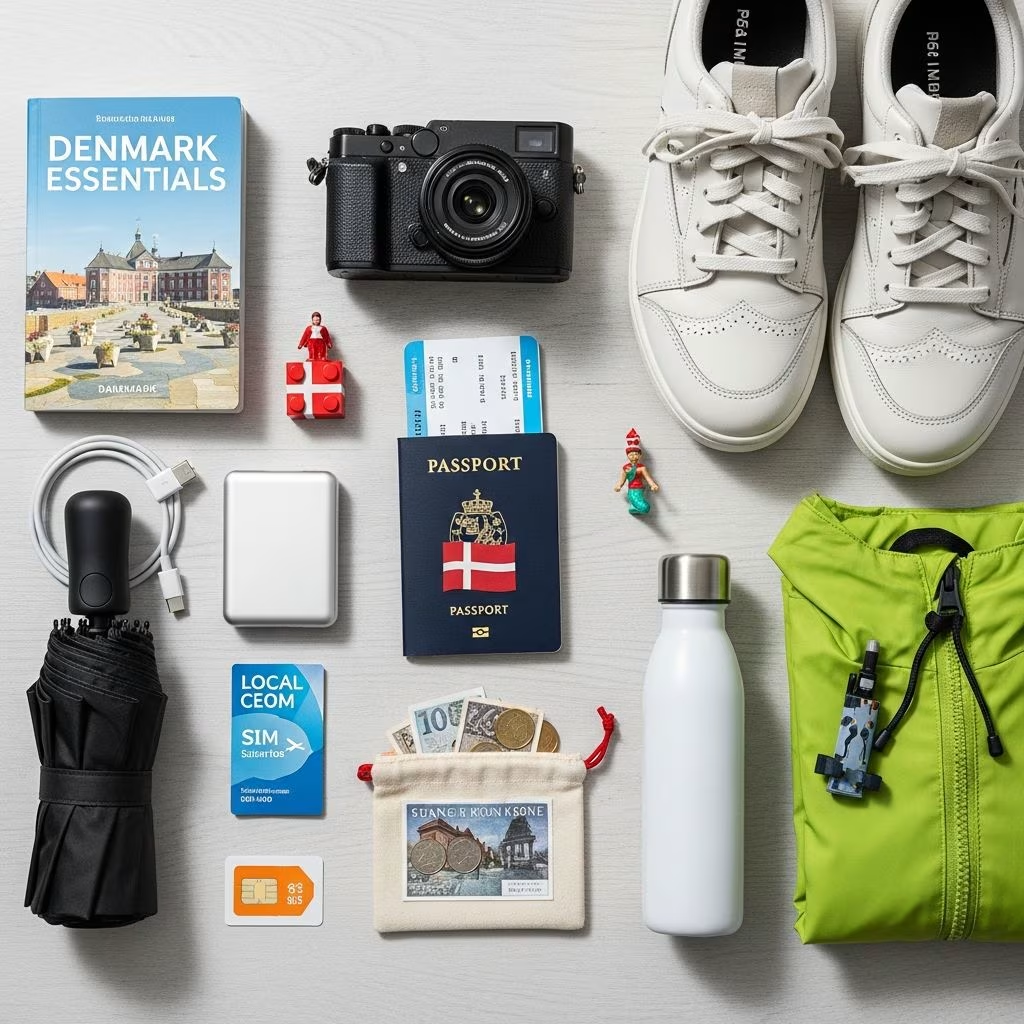 Travel Essentials
Denmark captivates with its blend of modern design, historic Viking heritage, and serene landscapes. This compact nation offers rolling hills, pristine coastlines, and vibrant cities all within easy reach. Whether you’re drawn to Copenhagen’s canals or remote islands, understanding local customs and practicalities ensures a seamless journey.
Denmark’s climate varies dramatically, influencing your experience. Summers from June to August deliver mild temperatures around 20°C (68°F), long daylight hours, and peak festival season, though crowds and higher prices follow school holidays. Shoulder seasons like May and September offer balanced weather with fewer tourists and vibrant fall foliage or blooming springs.
Winters bring short days and potential snow, ideal for cozy hygge indoors but challenging for outdoor pursuits. Rain is common year-round, so pack layers and waterproof gear. For blue skies, target late May to early September, aligning with events like Copenhagen’s jazz festival.
Denmark prioritizes sustainable transport. Copenhagen is a cyclist’s dream with dedicated lanes snaking through the city—locals pedal everywhere, even in drizzle. Tourists should yield to bikes; jaywalking into lanes invites honks or mishaps. Rent bikes via apps like Donkey Republic for seamless exploration.
Trains connect efficiently: DSB operates punctual services from Copenhagen to Aarhus (3 hours) or Odense. Buses fill gaps, while ferries link islands like Ærø, offering scenic rides. Public transport uses the Rejsekort app for contactless payments. Driving is straightforward on well-maintained roads, but parking is pricey in cities.
| Transport Option | Pros | Cons | Cost Estimate (DKK) |
|---|---|---|---|
| Bike Rental | Flexible, eco-friendly, cheap | Weather-dependent, hills rare but tiring | 100-150/day |
| Train (Cph-Aarhus) | Fast, scenic, reliable | Book ahead in peak season | 300-500 |
| Ferry to Ærø | Relaxing, island vibes | Seasonal schedules | 150-250 roundtrip |
The Danish Krone (DKK) reigns; cards are ubiquitous, even for coffee, minimizing cash needs. ATMs abound, but notify your bank of travel. Expect high costs: meals average 150-250 DKK, beers 50-70 DKK. Tipping isn’t customary—service charges are included; rounding up suffices for exceptional service.
Save via Copenhagen Cards for attractions and transport, or picnic with market finds. Supermarkets like Netto offer affordable groceries. Alcohol is pricey due to taxes; buy at duty-free or low-tax shops.
Danes embody hygge—a cozy appreciation of simple joys like candlelit dinners or fireside chats. They’re reserved yet polite; direct eye contact and firm handshakes open doors. Small talk skips pleasantries like “how are you?”—expect honest, detailed replies if asked.
Equality drives society: no bowing to royalty, and trust is high—unattended baby carriages are common. Punctuality matters; arrive on time. English fluency eases interactions everywhere.
Hygge fosters work-life balance, ranking Denmark among happiest nations through community and presence.
Danish fare emphasizes fresh, seasonal ingredients. Smorrebrod—open-faced rye bread sandwiches topped with herring, salmon, or pâté—defines lunch. Seafood shines along coasts, paired with new potatoes.
Sweets tempt: wienerbrød pastries (think cinnamon snegls), æbleskiver (apple-filled pancake balls), and rugbrød (dense rye bread). Licorice is a salty staple, not the black candy variety. Wash down with Carlsberg or local craft beers. Vegetarians find options in smørrebrød variations and markets.
Denmark is exceptionally safe, with strict gun laws and low crime. Petty theft occurs in tourist hubs—mind bags. Tap water is potable nationwide. No mandatory vaccines; standard precautions suffice. Pharmacies (apotek) stock essentials.
EU roaming keeps phones connected; buy SIMs cheaply. Emergency: 112. COVID rules have eased, but check VisitDenmark for updates.
Copenhagen dazzles with Tivoli Gardens, Rosenborg Castle, and Nyhavn’s colorful facades. Canal cruises reveal Christianshavn’s charm. Venture out:
Allot 5-7 days minimum: 3 in Copenhagen, then day trips or overnights.
Days 1-3: Copenhagen (Tivoli, harbor swims). Day 4: Odense. Days 5-7: Legoland, Jelling rune stones.
Days 1-2: Copenhagen museums. Day 3: Roskilde. Day 4: Ferry to Ærø. Day 5: Return via Aarhus.
Explore five parks: Cycle Thy, hike Mols Bjerge, birdwatch Wadden Sea.
Yes, but cards everywhere and free attractions like parks mitigate costs. Budget 1000-2000 DKK daily.
Absolutely—it’s among Europe’s cleanest.
September-March in northern Jutland, though rare compared to Iceland.
Schengen rules: 90 days visa-free for many nationalities.
Very—trains and cafes welcome leashed dogs.
