

 Travel Essentials
 Travel Essentials

A comprehensive guide to enjoying Denver's cultural attractions, outdoor adventures, and culinary scene on a budget, featuring practical tips and cost-saving strategies.
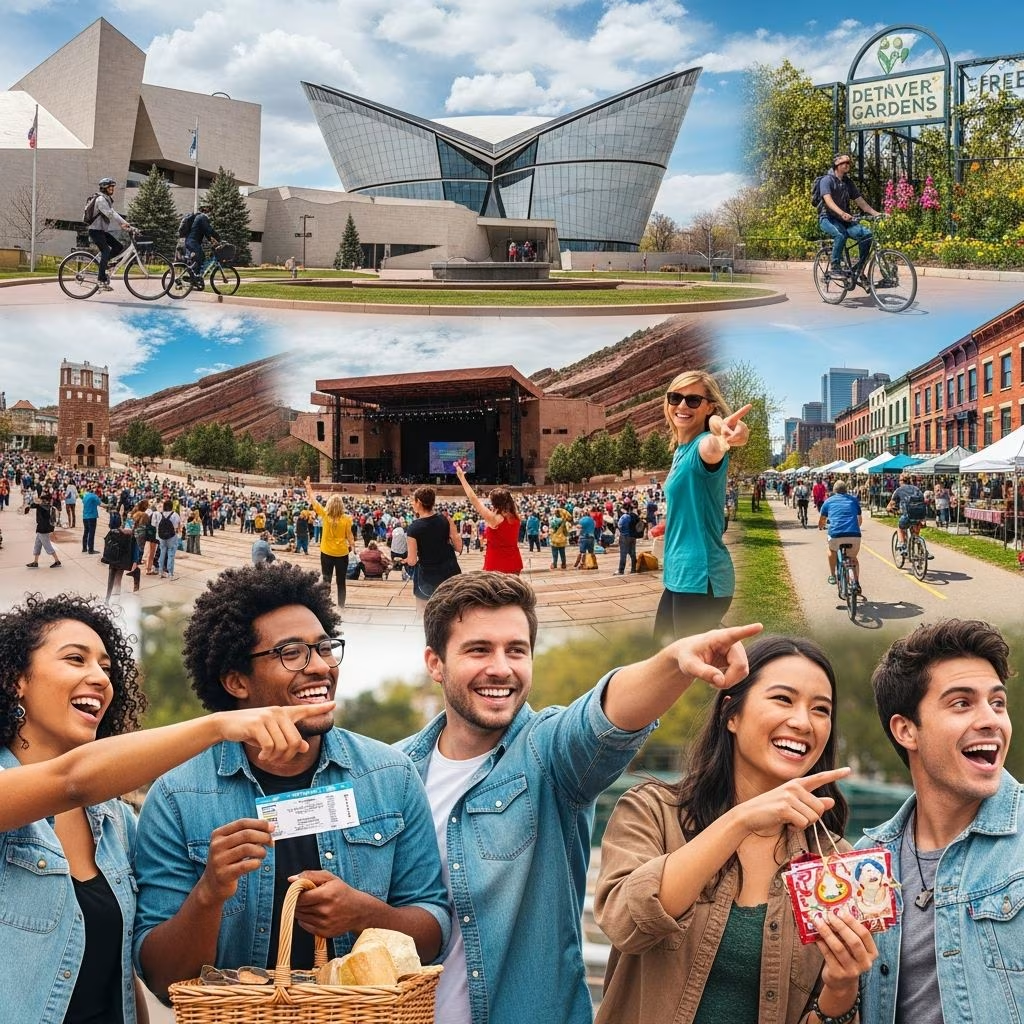 Travel Essentials
The Mile High City has earned its reputation as a vibrant destination brimming with world-class museums, stunning natural landscapes, and a thriving culinary scene. However, many travelers assume that experiencing Denver’s attractions requires substantial spending. The reality is quite different—Denver offers numerous ways to explore its diverse neighborhoods, outdoor spaces, and cultural venues without draining your budget. Whether you’re a first-time visitor or a seasoned explorer, implementing strategic planning and knowing where to look can dramatically reduce your travel expenses while maintaining an authentic Denver experience.
Before diving into specific savings strategies, it helps to understand the baseline expenses you’ll encounter in Denver. Budget accommodations typically range from hostel dormitory rooms to modest hotel stays, with various options available depending on your preferences and timing of travel. Food costs vary significantly based on whether you choose dining establishments, food halls, or self-catering options. Transportation costs depend largely on whether you rent a vehicle or use public transit systems. Understanding these foundational expenses allows you to allocate your travel budget more effectively and identify areas where savings can be maximized.
One of the most effective ways to reduce Denver travel expenses involves rethinking transportation. Many visitors automatically assume they need a rental car, but this assumption can lead to unexpected costs including vehicle rental fees, parking charges, and gasoline expenses. Denver’s public transit system, combined with the airport’s rail connection, provides an efficient alternative that proves both more economical and convenient than driving.
The A Line train connects Denver International Airport directly to Union Station in downtown Denver for just $10.50, eliminating expensive airport transfer services or rental car shuttles. Once downtown, the entire public transit network opens up, providing access to buses that extend into the surrounding mountains and neighborhoods. Within the city proper, shared electric scooters and bikes through services like Lyft and Lime offer additional flexibility for short trips without the ongoing costs associated with vehicle ownership or rental.
The free 16th Street FreeRide shuttle deserves special mention as it travels several blocks along the pedestrian promenade, connecting major attractions and commercial areas without any charge to riders. This service proves invaluable for moving between neighborhoods while conserving both energy and money.
Denver’s accommodations landscape has expanded significantly, offering choices across every price point. Budget-conscious travelers can find hostel rooms starting at $45 to $75 per night, providing a social atmosphere and opportunities to meet other travelers. Shared rooms in budget hotels or guesthouses typically range from $175 to $500 for accommodations suitable for two people.
A particularly innovative option for budget travelers involves renting self-catering apartments or booking through platforms like Airbnb, with prices ranging from $100 to $380 depending on location and amenities. These options prove especially economical when traveling with multiple people, as costs can be shared among guests. Some newer hotels, such as the Catbird Hotel, have embraced budget-conscious design by providing efficiently designed studio spaces and even including complimentary cooking spices. Selecting accommodations with kitchen facilities enables significant food savings through meal preparation.
Denver’s food culture has exploded in recent years, and fortunately, excellent eating experiences don’t require expensive fine dining. The city’s farmers markets represent an outstanding resource for both budget-friendly meals and authentic local experiences. Options including the Union Station Farmers Market, City Park Farmers Market, and Cherry Creek Fresh Market provide access to fresh, Colorado-grown produce at competitive prices. Purchasing from farmers markets and cooking in your accommodation’s kitchen yields substantial savings compared to restaurant meals while supporting local producers.
Food halls represent another excellent middle-ground option, offering diverse culinary styles under one roof without fine dining price tags. These indoor establishments feature multiple food vendors, allowing flexibility in both cuisine selection and portion sizes. Street food and casual quick-service restaurants throughout Denver, particularly along 16th Street, provide satisfying meals for approximately $10 to $12.
For dining deals, discovering restaurant apps offering buy-one-get-one deals can cut food expenses significantly. Many Denver establishments participate in promotional programs featuring entree discounts and special offers throughout the week. Weekend brunches at casual establishments often provide excellent value compared to dinner service at the same venues.
Denver’s museums and cultural institutions, while impressive, can strain travel budgets if approached without planning. The Mile High Culture Pass offers three days of access to multiple major attractions including the Denver Art Museum, Denver Botanic Gardens, and History Colorado Center at a fraction of standard admission costs. The Denver CityPASS provides comparable savings by bundling access to three, four, or five popular attractions for seven days.
Many cultural venues offer specific free or discounted hours, particularly on weekday evenings or designated community days. Checking individual museum websites before your trip can reveal significant savings opportunities. Additionally, several attractions feature seasonal free programs that provide cultural experiences without any admission cost.
Denver’s proximity to mountains and outdoor spaces provides recreational opportunities that rival any urban destination, with many requiring minimal or no financial investment. Red Rocks Park and Amphitheatre stands as an iconic destination that surprisingly offers free access for daytime visits. Visitors can explore the distinctive sandstone formations, hike the various trails, and even access the amphitheatre stage area without purchasing concert tickets. The park also features free self-guided tours allowing independent exploration at your own pace.
Golden’s Clear Creek Trail provides scenic walking experiences just steps from downtown, offering mountain views and natural beauty without cost. Boulder Creek and Pearl Street offer similar hiking and walking opportunities with the added benefit of accessing the Boulder Farmers Market in summer months. City Park provides excellent walking paths alongside scenic lakes with abundant benches for relaxing and people-watching.
Denver’s diverse neighborhoods each offer distinct characters and attractions, many of which can be explored freely. The River North Art District (RiNo) features vivid street art around nearly every corner, with historic warehouses and factories now housing jazz bars, galleries, and working studios open for exploration. Wandering these streets costs nothing but provides cultural immersion and photography opportunities.
Larimer Square and the surrounding Lower Downtown (LoDo) area offer free walking exploration, browsing opportunities, and people-watching despite the commercial focus. The renovated 1914 Union Station building itself provides impressive Beaux-Arts architecture suitable for photography and casual exploration. The Golden Triangle Creative District similarly provides street-level art and cultural experiences accessible without admission fees.
South Broadway concentrates thrift, vintage, and consignment shops where budget-conscious travelers can find affordable souvenirs and clothing. Antique Row further south extends these shopping opportunities, allowing treasure hunting at minimal expense. The Mile High Flea Market, while charging small entrance fees of $2 to $3, provides entertainment value through vendor browsing and people-watching.
Denver’s music and entertainment venues range from massive concert halls to intimate neighborhood bars, with significant price variation across the spectrum. Major venues like Red Rocks Amphitheatre, Ball Arena, and Fiddler’s Green Amphitheatre command premium ticket prices for established acts. However, Denver-area bars, restaurants, and breweries host free entertainment nearly every night of the week, providing live music, comedy, and other performances to draw customers.
Smaller venues along Colfax Avenue and South Broadway offer local live music at significantly reduced ticket prices compared to arena shows. Summer months bring recurring free concert series including City Park Jazz on Sunday evenings, Levitt Pavilion performances, and various neighborhood festivals. These events typically feature Colorado-based musical acts and maintain family-friendly atmospheres, often with food trucks providing dining options.
Rather than purchasing expensive souvenirs from tourist-oriented retail establishments, budget-conscious travelers can find unique items through Denver’s extensive network of second-hand shops. Options including Mile High Thrift, Rags, Common Threads, Habitat for Humanity ReStore, and various Goodwill locations provide character-filled finds at minimal cost. These shops offer genuine Denver items with local history rather than mass-produced tourist merchandise.
Denver’s weather patterns and seasonal events influence both availability and pricing of attractions. The Union Station Farmers Market operates Saturdays from mid-May to mid-October, making summer and fall ideal seasons for accessing fresh local produce and food samples at minimal cost. Summer months activate free concert series and outdoor events throughout various neighborhoods. Spring and fall often feature lower accommodation rates compared to peak summer season and winter holiday periods.
Successful budget travel requires advance preparation and knowledge of available resources. Visiting official tourism websites before travel allows identification of free attractions, discount periods, and special events occurring during your stay. Downloaded offline maps and transit apps provide navigation without requiring data usage. Many attractions offer online research opportunities revealing specific pricing, free hour information, and age-based discounts before arrival.
Understanding typical daily expenses helps establish realistic budgets. Hostel accommodations average $45–75 nightly, while coffee typically costs around $4 and sandwiches range from $10–20. Full dinner for two people averages $50–100 at mid-range establishments, though budget options reduce this significantly. Public transit tickets cost $3–5.25, making multiple daily trips economical.
No, Denver’s public transit system, combined with rideshare and bike services, provides sufficient transportation. The A Line train from the airport reaches downtown, and buses extend throughout the city and into nearby mountains, making personal vehicle rental optional and unnecessarily expensive.
Red Rocks Park and Amphitheatre offers free daytime access for exploration and hiking. Street art in RiNo, the renovated Union Station architecture, and neighborhood walks through areas like Golden’s Clear Creek Trail provide no-cost cultural experiences.
Farmers markets provide fresh, locally-grown ingredients for self-catering. Food halls like Avanti Food & Beverage offer diverse cuisines at reasonable prices. Quick-service restaurants along 16th Street serve meals for approximately $10–12.
The Mile High Culture Pass and Denver CityPASS bundle multiple museum admissions at discounted rates compared to individual tickets. Many venues offer specific free or discounted hours throughout the week.
