


 Food & Culture
Food & Culture
Denver’s Lost Chinatown Revived Through Historic Dining
Explore how modern restaurants in Denver are honoring the erased history of the city's original Chinatown via innovative menus, community events, and preservation efforts.
 Food & Culture
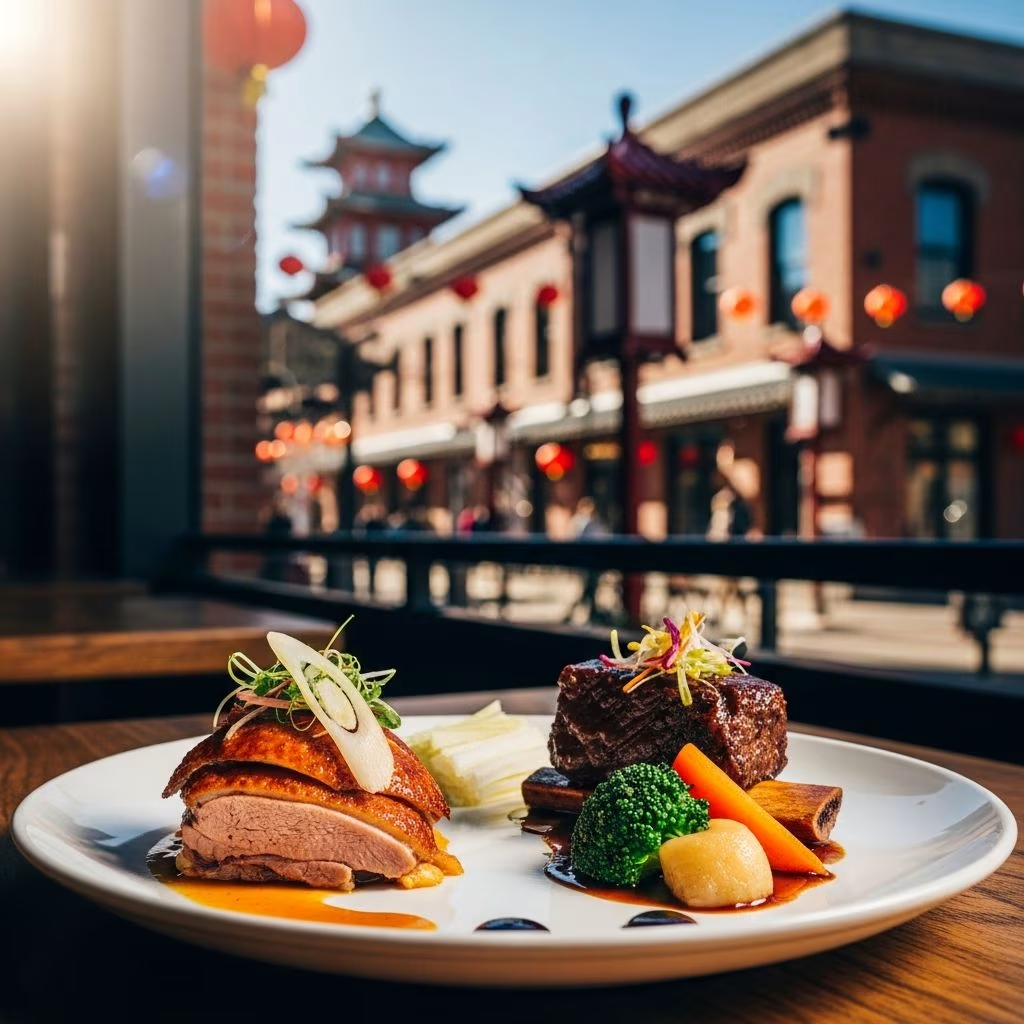
In the heart of Denver, a quiet culinary revolution is underway. Long overshadowed by urban development, the story of the city’s first Chinatown—once a bustling hub for Chinese immigrants—is finding new expression through innovative restaurants. These establishments are not merely serving food; they are weaving narratives of resilience, migration, and cultural endurance into every plate. By drawing on historical recipes and community memories, chefs are transforming forgotten histories into vibrant dining experiences that educate and unite.
The Hidden History of Denver’s Chinatown
Established in the late 19th century, Denver’s original Chinatown thrived along what is now LoDo (Lower Downtown). Chinese laborers, drawn by railroad work and mining booms, built a community rich with tea houses, markets, and family-run eateries. This enclave pulsed with life until the early 20th century, when racial violence, discriminatory laws, and urban renewal projects systematically dismantled it. Fire, eviction, and redevelopment erased physical traces, leaving only fragmented stories in archives and elder recollections.
Historical records from the Denver Public Library detail how anti-Chinese sentiments peaked in the 1880s, culminating in events like the 1880 riot that targeted the neighborhood. Today, scant remnants—a plaque here, a street name there—hint at its existence. Yet, this erasure has sparked a modern movement. Chefs and activists are reclaiming this legacy, using cuisine as a medium to resurrect voices silenced for generations.
Pioneering Eateries Leading the Revival
Several new venues stand at the forefront of this revival, each offering unique interpretations of Chinatown’s culinary past. These spots blend authenticity with contemporary twists, attracting food enthusiasts eager for both flavor and context.
- Mak Fam Kitchen: This family-operated gem specializes in Cantonese-inspired dishes reminiscent of 19th-century immigrant fare. Signature items like steamed buns filled with heritage pork and congee bowls evoke the simple, nourishing meals of early settlers.
- LoDo Legacy Bistro: Focusing on fusion, it pairs traditional dim sum with Colorado-sourced ingredients, such as bison-filled dumplings, symbolizing the fusion of old worlds and new.
- Hop Alley Heritage House: Named after a historic alley in old Chinatown, it hosts pop-up events featuring guest chefs who recreate lost recipes from family grimoires.
These restaurants collaborate with historians to ensure accuracy, often displaying timelines or artifacts that contextualize the menu. Diners leave not just satisfied, but informed about a pivotal chapter in Denver’s multicultural tapestry.
Culinary Techniques Rooted in Tradition
The menus at these spots emphasize techniques passed down through generations. Wok hei—the breath of the wok—imparts smoky depth to stir-fries, a hallmark of street food from Denver’s lost enclave. Fermentation practices for pickles and sauces mirror those used by immigrants to preserve ingredients in harsh frontier conditions.
| Dish | Historical Origin | Modern Twist |
|---|---|---|
| Char Siu Bao | Railroad worker sustenance | Infused with local honey |
| Chow Mein | Mining camp staple | Wild mushroom addition |
| Sweet Rice Pudding | Festival dessert | Seasonal berry compote |
Such adaptations honor the past while appealing to today’s palates, demonstrating food’s evolution as a living archive.
Community Engagement and Preservation Efforts
Beyond plates, these restaurants foster community. Events like heritage nights feature storytelling sessions with descendants of Chinatown residents. Funds raised from special dinners support plaques, murals, and oral history projects. One notable initiative collected over $2,000 for Asian Pacific American preservation, echoing broader calls for recognition.
Partnerships with local universities yield research on archaeological digs in former Chinatown sites, uncovering chopsticks and pottery that inspire new dishes. These efforts extend to education, with school programs introducing youth to this history through cooking classes.
Challenges in Honoring a Faded Past
Revival isn’t without hurdles. Sourcing authentic ingredients proves tricky, as some spices central to old recipes are now rare. Balancing profitability with historical fidelity tests owners—tourist-friendly tweaks risk diluting essence. Moreover, navigating sensitive topics like past discrimination requires nuance to avoid tokenism.
Despite this, momentum builds. City grants for cultural preservation bolster these ventures, signaling institutional buy-in.
The Broader Impact on Denver’s Food Scene
This movement ripples outward, influencing Denver’s dining landscape. It encourages other immigrant-led spots to spotlight their histories, from Mexican taquerias to Ethiopian cafes. Tour operators now include ‘Chinatown Trails’ pairing meals with walking tours of historic markers.
Economic boosts are evident: these eateries draw visitors, supporting local economies while diversifying offerings in a city known for craft beer and ranch-to-table fare.
Visitor Guide: Planning Your Chinatown-Inspired Dining Adventure
Ready to taste history? Start with a weekend itinerary:
- Begin at Mak Fam for brunch—try the heritage congee.
- Stroll LoDo, pausing at interpretive plaques.
- Dinner at Hop Alley Heritage House for a multi-course tasting.
- Cap with a community event or market visit.
Reservations essential; check websites for themed nights. Accessibility notes: most venues offer vegetarian options and wheelchair access.
Future Visions for Culinary Remembrance
Looking ahead, proponents dream of a Chinatown museum with a demonstration kitchen. Collaborative festivals could unite Asian cuisines under one banner. As Denver grows, these restaurants ensure the Mile High City’s narrative includes its Chinese roots.
Frequently Asked Questions (FAQs)
What happened to Denver’s original Chinatown?
It was dismantled by urban development and anti-Asian violence in the early 1900s, leaving few physical traces.
Which restaurant best captures authentic flavors?
Mak Fam Kitchen is praised for its family recipes straight from Chinatown descendants.
Are there vegetarian options at these spots?
Yes, many offer plant-based twists on classics like vegetable bao and tofu stir-fries.
How can I support preservation efforts?
Dine at these venues, attend events, or donate to local Asian American heritage funds.
Is parking easy near these restaurants?
LoDo offers street parking and nearby garages; public transit recommended.
This culinary renaissance proves food’s power as a time machine, transporting us to Denver’s vibrant, vanished Chinatown.
References
- History of Denver’s Chinatown — Denver Public Library. 2023-05-15. https://history.denverlibrary.org/news/denvers-chinatown
- Preserving Asian American Heritage in Colorado — Colorado State Historical Society. 2024-02-10. https://www.historycolorado.org/asian-american-preservation
- Denver’s Lost Chinatown: An Archaeological Perspective — University of Denver Anthropology Department. 2022-11-20. https://clas.ucdenver.edu/anthropology/research/chinatown
- Modern Restaurants Reviving Immigrant Histories — 9News Denver. 2024-08-05. https://www.9news.com/article/news/local/denver-restaurant-chinatown-history
- Urban Renewal and Minority Communities in the West — National Park Service. 2021-07-12. https://www.nps.gov/articles/urban-renewal.htm
On This Page
The Hidden History of Denver's Chinatown Pioneering Eateries Leading the Revival Culinary Techniques Rooted in Tradition Community Engagement and Preservation Efforts Challenges in Honoring a Faded Past The Broader Impact on Denver's Food Scene Visitor Guide: Planning Your Chinatown-Inspired Dining Adventure Future Visions for Culinary Remembrance Frequently Asked Questions (FAQs)← Previous
Olfactory Tourism: Best Cities for Fragrance Lovers
Next →
Best Art and Design Events to Travel for in 2026
Related Reading
More in Food & Culture
Food & Culture Food & Culture
 Food & Culture
Best Places to Eat in Rome: Neighborhood Dining Guide
 Food & Culture
 Food & Culture