

 Travel Essentials
 Travel Essentials

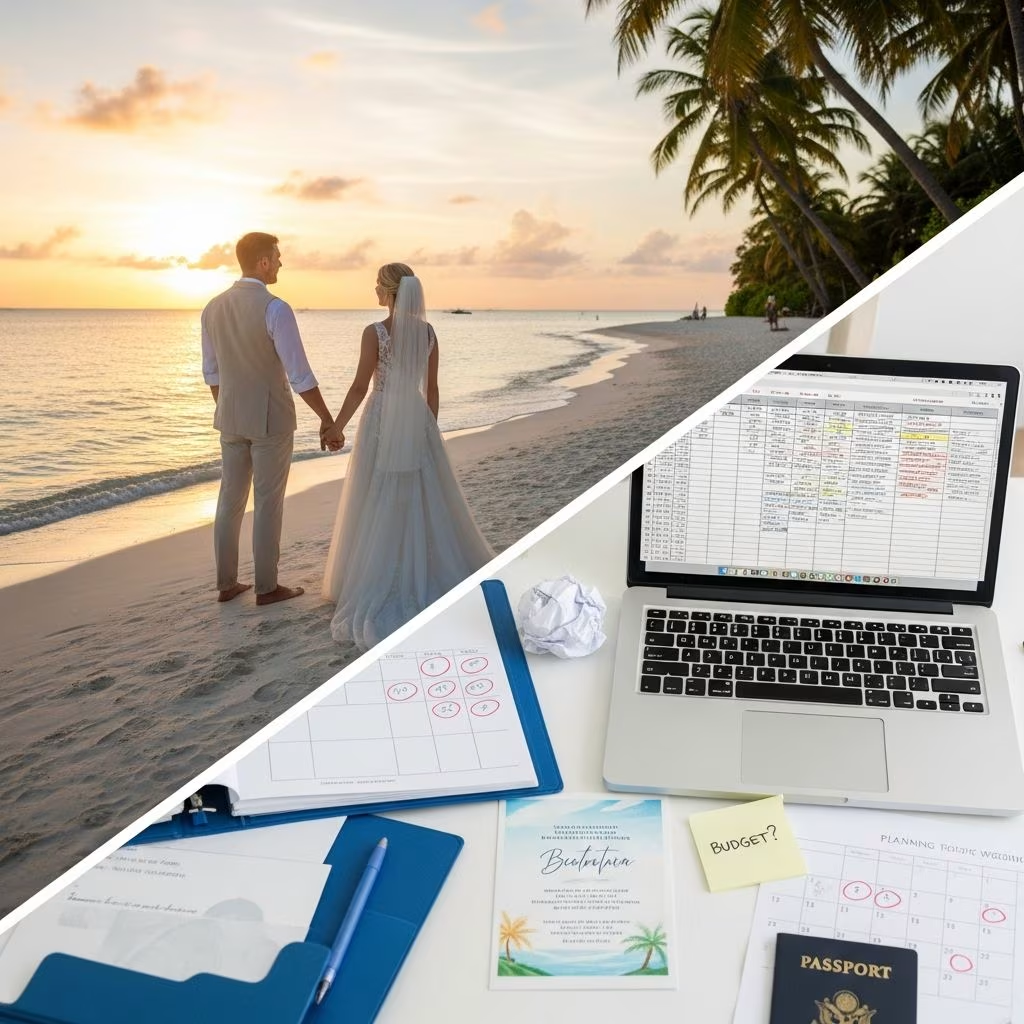
Explore the real pros and cons of destination weddings, from stunning scenery and intimate celebrations to travel costs and planning challenges.
 Travel Essentials
The fantasy of exchanging vows on a sun-dappled beach, beneath rolling vineyard hills, or surrounded by alpine peaks captivates many couples planning their weddings. Destination weddings represent more than just a change of scenery—they embody a departure from traditional celebration models, offering unique opportunities alongside distinct challenges. Understanding both sides of this equation is essential for couples considering whether a destination celebration aligns with their vision, budget, and lifestyle.
One of the most compelling advantages of choosing a distant location for your wedding is the transformation of a single-day event into an extended experience. Unlike conventional ceremonies that typically span a few hours, destination weddings generally unfold over three to five days. This extended timeline creates opportunities for meaningful interaction with attendees who have made the effort to travel.
The multi-day format naturally accommodates pre- and post-wedding activities that enrich the overall experience. Welcome dinners, group excursions, spa treatments, and farewell brunches become integrated components of the celebration rather than optional add-ons. This structure allows couples and guests to transition seamlessly from wedding festivities into vacation mode, creating a cohesive experience that feels like a getaway with loved ones rather than merely a single ceremonial moment.
Geographic distance naturally narrows the field of potential attendees. While this might initially seem like a limitation, many couples find this practical constraint liberating. A destination wedding effectively filters your guest list to include primarily those willing to invest time and resources in attending—typically immediate family members and closest friends.
This selective approach carries multiple benefits beyond emotional satisfaction. Financially, fewer guests translate to reduced catering expenses, lower rental requirements, and smaller-scale logistics. More importantly, the intimate atmosphere created by a smaller gathering often feels more meaningful. Conversations are deeper, interactions more personal, and the overall tone tends toward relaxation rather than obligation. Couples report feeling less overwhelmed by managing a sprawling guest list and more able to focus on meaningful moments with those present.
The visual dimension of destination weddings deserves particular attention. Wedding photography hinges significantly on environmental backdrop, and destination locations often provide naturally stunning scenery that would be difficult or impossible to replicate locally. Whether selecting Caribbean beaches, Tuscan countryside, mountain ranges, or desert landscapes, couples gain built-in visual drama.
This photographic advantage extends beyond mere scenic beauty. Destination venues often possess distinctive architectural character, unique lighting conditions, and atmospheric qualities that distinguish wedding photography in meaningful ways. Professional photographers typically find destination locations inspire more creative compositions, as the environment itself becomes a significant storytelling element. Couples invest heavily in wedding photography, and the advantage of inherently photogenic surroundings represents tangible value throughout the visual documentation of the event.
A surprising advantage of destination weddings involves potential cost savings through all-inclusive resort packages. These comprehensive offerings bundle venue, catering, beverages, florals, music, officiant services, and sometimes even basic décor into single pricing structures. This bundling approach eliminates the fragmented vendor management that characterizes traditional wedding planning.
All-inclusive packages streamline decision-making for busy couples. Rather than vetting and coordinating multiple independent vendors, couples work with a single established team. The venue handles logistics, coordination, and execution—reducing the mental and logistical burden significantly. For couples with demanding professional schedules or limited bandwidth for extensive planning, this simplified approach proves invaluable. Additionally, these packages often include coordinated accommodations for guests, further reducing variables that couples must personally manage.
Geographic travel for a wedding destination creates natural opportunities to extend the celebration into a honeymoon period. Rather than concluding festivities at a local venue and then separately planning honeymoon travel, destination weddings allow couples to remain in an already-beautiful location as guests depart. This transition eliminates duplicate travel expenses and the logistical fatigue of relocating twice within a short timeframe.
Couples can strategically extend their stay, transforming wedding days into the beginning of their honeymoon experience. This approach often proves more economical than booking separate accommodations for both events, as travel costs are consolidated and some couples can negotiate extended-stay rates with their wedding venue.
Despite potential savings from smaller guest lists and all-inclusive packages, destination weddings typically generate higher overall expenses than locally-based celebrations. Travel costs constitute the primary additional expense—airfare, ground transportation, and accommodation for the couple, their wedding party, and extended family accumulate substantially.
Couples must also account for pre-wedding site visits, which may require travel before the actual event. Some couples travel to their chosen destination once or twice beforehand to finalize arrangements with local vendors, meet with wedding planners, and conduct venue inspections. These preliminary trips represent additional costs beyond the actual wedding expenditure.
International destinations introduce currency conversion considerations and sometimes require importing certain elements—flowers, specialty foods, or specific décor components—that aren’t readily available locally. These supplementary costs can quickly accumulate beyond initial budgeting.
Planning a wedding in a location you don’t inhabit introduces coordination challenges absent from local event planning. Vendor communication often occurs across time zones, requiring flexibility regarding meeting availability. Language barriers in foreign countries may complicate discussions about specific preferences and vision details.
Many couples address this challenge by hiring local wedding planners familiar with the destination. These professionals serve as crucial intermediaries, translating preferences, managing vendor relationships, and problem-solving in real-time. While hiring additional professional support represents extra expense, it often prevents costly mistakes and ensures alignment between the couple’s vision and actual execution.
Couples cannot easily visit venues multiple times, inspect setup processes, or handle last-minute adjustments in person. This distance necessitates higher trust in hired professionals and increased reliance on documentation, virtual consultations, and detailed written agreements.
Environmental conditions present a significant consideration for destination weddings, particularly in tropical or seasonally volatile locations. Hurricane seasons, monsoon patterns, and extreme weather events can disrupt carefully planned outdoor ceremonies. Couples selecting beach or mountain venues must research seasonal weather patterns and identify realistic risk windows.
Contingency planning becomes essential for destination weddings more so than local celebrations. Couples need backup indoor spaces, weather-alternative ceremony sites, and flexibility in scheduling. Some destinations present particularly challenging weather scenarios—scheduling a Caribbean wedding during hurricane season, for example, carries substantial risk. Conversely, planning Alpine ceremonies in winter involves snow-related complications.
Guest expectations also factor into weather considerations. Guests have made significant investments in attending; extreme weather that compromises the event feels like a particular disservice to those who traveled considerable distances.
Destination locations often feature more limited vendor options compared to major metropolitan areas. Specialized services—luxury catering, specific floral designs, particular music styles, or distinctive photography styles—may not be readily available in smaller wedding destinations.
Couples face meaningful choices: import preferred vendors at elevated costs, or adapt their vision to work with locally-available options. Some couples find that embracing local aesthetics and artisans becomes part of the destination’s charm. Others experience disappointment when compromises on vendor selection impact their envisioned celebration. Managing these expectations and maintaining flexibility proves crucial for satisfaction.
While smaller guest lists represent an advantage for couples, the requirement that guests travel substantial distances creates genuine hardship for some attendees. Not all guests possess equivalent financial flexibility or time availability. Some family members may face health challenges, professional constraints, or personal circumstances that make extended travel burdensome.
Couples must provide substantial advance notice—typically six months or more—to enable guests to request time away from employment and arrange necessary resources. Even with generous notice, some relationships suffer when distance prevents attendance. This represents a genuine trade-off: intimate gathering versus inclusive celebration.
All-inclusive packages, while convenient and economical, sometimes sacrifice the personalized touches that make weddings distinctive. Package vendors may offer standardized décor, limited customization options, and a somewhat formulaic approach to celebrations. Couples seeking unique, highly personalized events may feel constrained by package parameters.
Overcoming this limitation requires proactive communication with venue coordinators and potentially hiring additional planning professionals to introduce custom elements. Virtual consultations with external vendors, specialized designers, and creative professionals can inject personalization into package-based frameworks, but these additions increase overall complexity and cost.
Interestingly, despite the logistical challenges, many couples report reduced overall stress when planning destination weddings. The removed context of local expectations, family pressures, and conventional wedding traditions creates psychological space for genuine celebration. When everyone present is in vacation mode, expectations shift toward enjoyment rather than observance of rigid formal structures.
The informal atmosphere common at destination celebrations often facilitates relaxation and authenticity. Guests are simultaneously on vacation, reducing the impression that they’re merely performing obligations at a formal event. This atmosphere paradoxically can make destination weddings feel less pressure-intensive than traditional ceremonies, despite the logistical complexity.
| Factor | Destination Wedding | Local Wedding |
|---|---|---|
| Guest List Size | Typically smaller (25-75) | Often larger (75-200+) |
| Duration | Multi-day experience | Single day typically |
| Travel Costs | Substantial per person | Minimal to none |
| Catering Expenses | Lower per head due to fewer guests | Higher total due to larger counts |
| Vendor Selection | May be limited | Typically extensive |
| Planning Complexity | Higher coordination challenges | More local management |
| Photography Backdrops | Built-in scenic advantages | Dependent on venue selection |
| Guest Accessibility | Lower for those with constraints | Higher accessibility |
Practices vary significantly. Some couples assume all travel costs for close family and the wedding party. Others request guests cover their own transportation while hosting accommodation. Many adopt a middle approach—covering lodging while guests arrange their own flights. Clear communication about expectations prevents misunderstandings and financial surprises.
Couples should provide notice as early as possible—ideally six to twelve months in advance. This advance notice enables guests to request time away from employment, arrange childcare if necessary, and budget for travel expenses. Last-minute destination wedding announcements frustrate guests and reduce attendance among those with constrained schedules.
Hire a local wedding planner or external design professional to customize package elements. Conduct detailed virtual consultations with venue coordinators about modifications. Bring specific décor items, flowers, or design elements from home if they aren’t available locally. Communicate your vision extensively through written documentation and visual references.
Research the destination’s climate patterns thoroughly. Identify your specific wedding dates’ historical weather data. Negotiate backup venue provisions in your contract. Consider purchasing wedding insurance that covers weather-related complications. Maintain flexibility regarding ceremony timing or location adjustments if weather conditions deteriorate.
Potentially, yes. Smaller guest lists reduce catering costs substantially. All-inclusive packages eliminate vendor coordination expenses and reduce decision-making time. However, travel costs for the couple and wedding party, site visits, and potentially hiring destination wedding planners offset some savings. Each couple’s financial equation differs based on their specific choices.
Destination weddings represent a legitimate alternative to conventional celebrations, offering distinct advantages alongside genuine challenges. Couples should honestly assess their priorities: do stunning photography backdrops and extended time with loved ones outweigh logistical complexity and travel burdens? Can your budget accommodate additional expenses? Are your closest relationships strong enough to weather potential stress from distance-based planning?
The decision fundamentally reflects individual values, financial capacity, and personality preferences. Some couples thrive with the adventure and escape offered by distant celebrations. Others find the logistical demands overwhelming. Neither choice is objectively superior—the correct decision aligns with your specific circumstances, relationship dynamics, and vision for beginning your marriage.
