

 Travel Essentials
 Travel Essentials

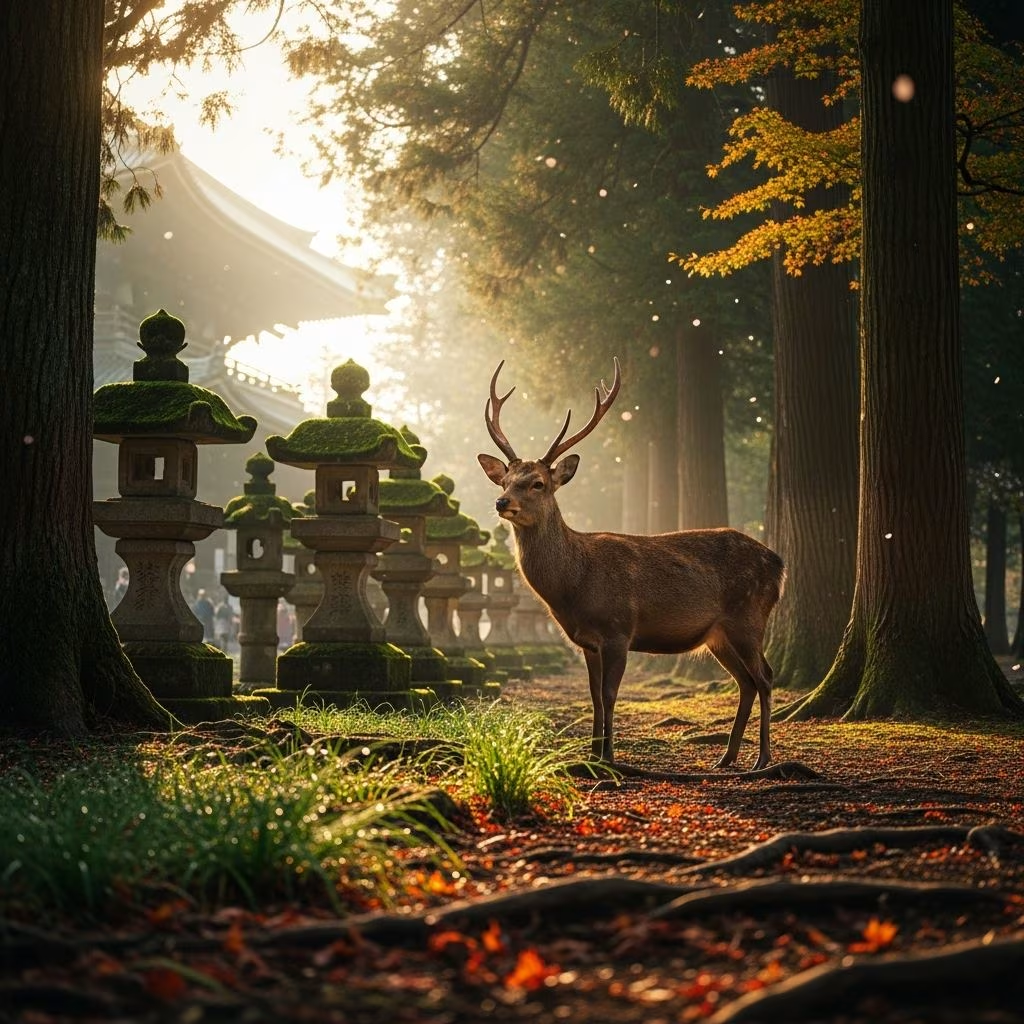
Explore Nara, Japan's first capital, packed with UNESCO sites, historic shrines, free-roaming deer, and hidden trails for an authentic travel experience.
 Travel Essentials
Nara stands as one of Japan’s most captivating yet underappreciated destinations, offering a perfect blend of ancient history, natural beauty, and cultural depth. As the nation’s first permanent capital from 710 to 784 AD, it preserves a rich legacy of temples, shrines, and wildlife that draws discerning travelers seeking authenticity away from crowded tourist hubs.
While nearby Kyoto and Osaka dominate itineraries, Nara provides a quieter, more immersive experience. Its proximity—just an hour by train—makes it ideal for day trips, but staying longer reveals layers of serenity and surprise. UNESCO World Heritage sites dot the landscape, alongside free-roaming deer symbolizing the city’s spiritual harmony.
Nara’s landmarks showcase architectural grandeur and spiritual significance, each telling a story of imperial Japan.
Todaiji Temple houses the world’s largest bronze Buddha statue, a 15-meter-tall icon cast in the 8th century. The Great Buddha Hall, the largest wooden structure globally, shelters this awe-inspiring figure amid intricate carvings and golden details. Visitors pass through a narrow pillar hole—said to grant wisdom to those who fit—adding a playful ritual to the reverence.
Beyond the Buddha, explore surrounding pavil Nigatsu-do Hall for panoramic city views and Nigatsu-do Fire Festival in March, where monks carry flaming torches in a dramatic rite.
Kasuga Taisha, dedicated to the Fujiwara clan, enchants with thousands of stone and bronze lanterns lining mossy forest paths. Lit during festivals twice yearly, they create a magical glow. Vermilion torii gates and deer motifs emphasize Shinto purity, with inner sanctuaries offering peeks into ancient rituals.
The shrine’s manicured gardens and hiking trails to nearby peaks provide serene escapes, perfect for photography enthusiasts.
Central Nara Park spans 502 hectares, famed for over 1,200 wild sika deer considered sacred messengers. These gentle creatures bow for senbei crackers sold by vendors, creating joyful interactions. The park connects major sites, allowing seamless strolls from Todaiji to Kasuga.
| Park Highlights | Description | Best Time to Visit |
|---|---|---|
| Deer Feeding | Buy crackers to feed bowing deer | Morning for calmer crowds |
| Todaiji Approach | Scenic paths to the Great Buddha | Spring cherry blossoms |
| Kasuga Forest Trail | Lantern paths and shrines | February lantern festival |
| Picnic Areas | Grasslands for relaxation | Autumn foliage |
Venture off beaten paths for Nara’s true allure. Isuien Garden features traditional tea houses amid borrowed scenery from nearby temples. Yakushi-ji Temple, another UNESCO site, boasts twin pagodas and medicinal Buddha statues from 730 AD.
For nature lovers, hike Mount Wakakusa for summit views or explore Yoshikien Garden’s moss and ponds—free entry for foreign visitors. These spots offer solitude rare in busier Japanese cities.
Reaching Nara is straightforward via JR lines from Kyoto (45 minutes, covered by Japan Rail Pass) or Kintetsu Express from Osaka (35 minutes). The compact city suits walking or rentable bikes.
Spring (March-May) brings cherry blossoms; autumn (October-November) offers vibrant foliage. Summers are humid, winters crisp with fewer crowds.
Options range from ryokans like Nara Hotel—a 1909 classic with Western-Japanese fusion—to budget hostels near the station. Book ahead for peak seasons.
| Accommodation Type | Price Range (per night) | Location Perks |
|---|---|---|
| Luxury Ryokan | $200-400 | Private onsen baths, kaiseki dinners |
| Boutique Hotel | $100-200 | Central, modern amenities |
| Hostel/Guesthouse | $30-80 | Near park, social vibe |
Savor kakinoha-zushi (persimmon leaf-wrapped sushi), cha-gayu (tea porridge), and Nara’s famed persimmons. Nakatanidou offers fresh mochi pounding shows. Dining spots cluster around Naramachi district’s preserved warehouses.
Engage deeply with Nara’s culture through workshops. Try pottery at family-run studios, wear yukata for temple strolls, or join guided forest hikes revealing hidden shrines.
One-Day Whirlwind: Start at Nara Park deer feeding, Todaiji, lunch in Naramachi, Kasuga Shrine, evening garden stroll.
Two-Day Deep Dive: Day 1: Temples and park. Day 2: Hikes, Yakushi-ji, local crafts, ryokan stay.
Take the JR Nara Line (45 minutes, ~¥720) or Kintetsu Limited Express (35 minutes, ~¥1,130). JR Pass covers it.
Yes, they’re tame but can nibble bags—hold crackers firmly and avoid feeding by hand if uneasy.
Absolutely for highlights, but overnight captures evening tranquility and fewer crowds.
Spring for sakura or autumn for koyo; avoid Golden Week (late April-early May) crowds.
Buses loop major sites (¥210-¥710); walking or e-bikes work for most.
Nara rewards patient explorers with profound tranquility amid history’s echoes. Combine it with Kyoto for contrast or standalone for peace. Respect customs: no eating in temples, quiet reverence at shrines, and shika senbei only for deer.
As Japan’s understated jewel, Nara promises memories of bowing deer, towering Buddhas, and lantern-lit forests—far from the ordinary.
