

 Travel Essentials
 Travel Essentials

Explore Nova Scotia's top destinations from vibrant Halifax to scenic Cape Breton, featuring outdoor adventures, historic towns, and unique coastal experiences.
 Travel Essentials
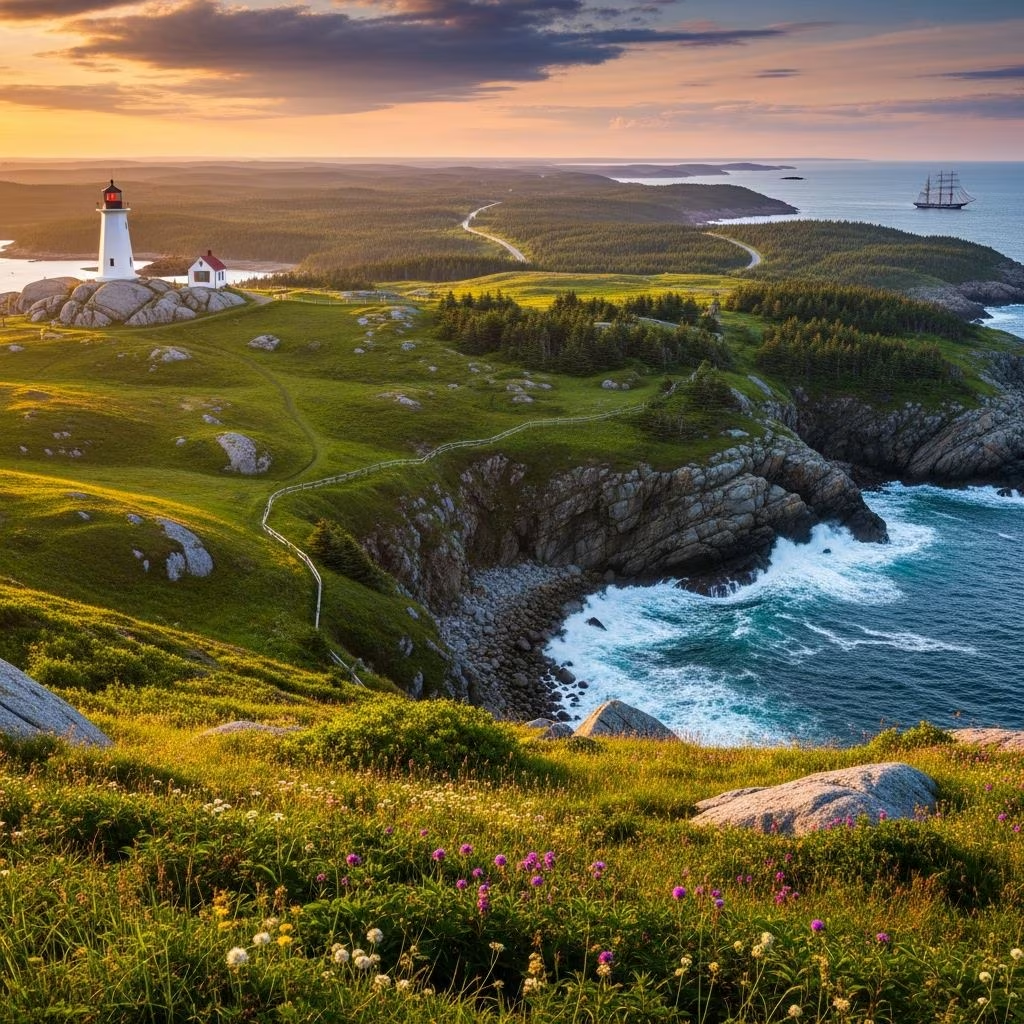
Nova Scotia stands as one of Canada’s most enchanting provinces, offering visitors an extraordinary blend of maritime heritage, unspoiled natural landscapes, and vibrant cultural experiences. With its rugged coastlines, charming harbor towns, and world-class outdoor opportunities, this Atlantic province attracts travelers seeking authentic Canadian experiences. Whether you are drawn to scenic drives through mountain passes, kayaking adventures on pristine lakes, or wandering through picturesque villages adorned with colorful architecture, Nova Scotia delivers memorable experiences across its diverse regions.
Halifax, Nova Scotia’s capital city, serves as an ideal gateway for exploring the province while offering substantial attractions within its boundaries. This dynamic urban center combines historic significance with contemporary vibrancy, creating a welcoming atmosphere for travelers of all interests. The waterfront district pulses with energy, featuring restaurants, shops, and cultural venues that celebrate the city’s maritime legacy. Beyond the bustling harbor, Halifax offers cultural institutions, public gardens, and architectural landmarks that reflect its storied past.
The city functions as a convenient base for day trips and regional exploration. Visitors can easily access nearby destinations while enjoying Halifax’s urban conveniences, quality accommodations, and diverse dining options. The combination of historical sites, cultural attractions, and modern amenities makes Halifax essential for any Nova Scotia itinerary.
The southwestern regions of Nova Scotia feature picturesque towns that embody the province’s fishing heritage and architectural character. These communities showcase distinctive waterfront settings where centuries-old traditions continue to shape local life and culture. The area represents Nova Scotia’s maritime soul, with working harbors, seafaring history, and communities deeply connected to the ocean.
The coastal towns in this region display remarkable character through their colorful buildings, historic churches, and thriving artisan communities. These destinations attract photographers, history enthusiasts, and those seeking authentic small-town experiences. Local shops feature handcrafted goods, fresh seafood, and regional products that reflect the area’s cultural identity. Visitors discover why these communities maintain strong appeal among travelers seeking to experience genuine Nova Scotia character.
Northwestern Cape Breton Island features one of North America’s most celebrated scenic routes, attracting road-trip enthusiasts and nature photographers from around the globe. This mountainous peninsula delivers breathtaking vistas where dramatic terrain meets pristine coastline. The drive presents numerous opportunities to stop at viewpoints, explore hiking trails, and discover hidden coastal villages. Each curve of the road reveals new perspectives on the landscape’s grandeur and geological significance.
The route accommodates various travel styles, from leisurely drives with frequent stops to active explorations incorporating hiking and outdoor activities. Travelers experience diverse landscapes within relatively short distances, from highland plateaus to coastal cliffs. The combination of natural beauty and accessibility makes this driving route suitable for visitors of varying mobility and energy levels.
Central Nova Scotia contains an extensive protected wilderness area offering opportunities for deep nature immersion and water-based recreation. This expansive park encompasses interconnected lakes, flowing rivers, and extensive trail networks that wind through pristine forest environments. The landscape remains largely undeveloped, providing genuine wilderness experiences increasingly rare in populated regions. The haunting calls of wildlife echo across the water, creating atmospheric soundscapes that enhance the sense of isolation and natural wonder.
Water-based exploration represents the optimal approach for experiencing this wilderness region. Canoe and kayak rental facilities enable visitors to paddle across sparkling lakes, navigate gentle rivers, and access remote locations unreachable by road. Paddling through these waterways provides intimate encounters with the natural environment, from observing waterfowl to discovering hidden coves and portage routes used for centuries. Camping opportunities enable extended stays, allowing visitors to experience the wilderness during different times of day and varying weather conditions.
Inland regions of Nova Scotia feature productive valleys where agriculture, orchards, and rural traditions sustain vibrant communities. These areas offer different perspectives on provincial life, emphasizing farming heritage, local food production, and agritourism opportunities. Visitors discover farmers’ markets brimming with seasonal produce, orchards offering pick-your-own experiences, and farm-to-table restaurants celebrating local ingredients. The pastoral landscapes provide peaceful alternatives to coastal tourism, appealing to those seeking quieter experiences and connections with agricultural traditions.
These regions support active tourism initiatives, including wine trails, cheese producers, and specialty food enterprises that showcase provincial agricultural products. The combination of productive farmland and entrepreneurial communities creates welcoming environments for culinary tourism and agricultural heritage exploration.
The Bay of Fundy coastal area features exceptional geological formations recognized internationally for their scientific and educational significance. These coastal cliffs reveal ancient geological history through exposed rock layers, fossil deposits, and distinctive formations shaped by millions of years of geological processes. The area’s designation as a geopark reflects its significance as a natural history resource and educational destination. Visitors encounter dramatic cliff faces, fossil-rich shores, and geological formations that illustrate Earth’s dynamic processes.
The world’s highest tides characterize this region, creating unique tidal phenomena that continue reshaping the coastline and exposing geological materials. This dynamic environment supports ongoing scientific research and provides extraordinary educational opportunities. Guided tours and interpretive centers help visitors understand the geological significance of these landscapes and their role in scientific discovery and understanding of prehistoric life.
Off the southwestern coast lies a distinctive archipelago of islands supporting small communities connected primarily by water. These islands offer genuine escape experiences, where visitors reach peaceful settings accessible only by ferry. Each island maintains unique character, from harbors bustling with fishing activity to quiet communities focused on tourism and artisan pursuits. Island communities preserve traditional maritime lifestyles while welcoming visitors seeking authentic coastal experiences.
Ferry service enables flexible island-hopping itineraries, allowing visitors to explore multiple communities during extended trips. The island setting creates naturally slower pace of travel, encouraging relaxation and thorough exploration of each location. Visitors often discover exceptional restaurants, artisan galleries, and accommodations hosted by island residents proud of their communities and eager to share local knowledge.
| Destination Type | Primary Activities | Best For | Seasonal Considerations |
|---|---|---|---|
| Urban Centers | Cultural attractions, dining, shopping, historic sites | First-time visitors, city explorers | Year-round appeal |
| Coastal Towns | Photography, shopping, seafood dining, harbor walks | Photography enthusiasts, heritage lovers | Summer optimal, shoulder seasons pleasant |
| Scenic Routes | Driving, photography, hiking, viewpoint stops | Road-trip enthusiasts, nature photographers | Fall colors excellent, summer reliable |
| Wilderness Parks | Paddling, hiking, camping, wildlife observation | Outdoor adventurers, wilderness seekers | Summer and early fall optimal |
| Rural Regions | Agritourism, farmers’ markets, farm dining | Culinary tourists, agricultural interest | Fall harvest season highly appealing |
Throughout Nova Scotia, unique attractions celebrate the province’s diverse heritage and contemporary culture. Landmarks honoring specific historical events, technological achievements, and cultural traditions provide educational experiences and photo opportunities. These attractions range from replicated historic vessels to world-record monuments, each telling stories about the communities hosting them. Visitors encounter unexpected delights in small towns, discovering local pride expressed through creative installations and preserved heritage sites.
Maritime heritage appears prominently across the province, reflected in museums, harbors, and community celebrations. The fishing industry, shipbuilding traditions, and seafaring history permeate provincial culture and continue influencing contemporary life. Understanding these cultural foundations enriches visitor experiences and explains the character of Nova Scotia communities.
Nova Scotia accommodates diverse outdoor interests through abundant trails, waterways, and natural landscapes. Hiking options range from gentle nature walks to challenging mountain hikes, accessible to visitors of varying fitness levels. Paddling opportunities include calm lake exploration, river navigation, and coastal kayaking adventures. Biking trails connect communities and showcase rural landscapes. Fishing, swimming, and wildlife observation provide additional recreational pursuits.
The combination of accessibility and diversity allows visitors to tailor outdoor experiences to personal preferences and capabilities. Tour operators and equipment rental services support visitors seeking guided experiences or specialized adventures. The outdoor recreation infrastructure reflects the province’s commitment to sustainable tourism and visitor safety.
Nova Scotia’s food culture emphasizes fresh seafood, local ingredients, and culinary traditions reflecting maritime heritage. Restaurants highlight regional products, from Atlantic salmon to lobster, prepared using techniques passed through generations. Farmers’ markets showcase seasonal produce, artisan cheeses, and specialty foods produced by local enterprises. Farm-to-table dining experiences connect visitors with food producers and agricultural traditions.
The province’s culinary renaissance attracts food-focused travelers seeking authentic gastronomic experiences. Cooking classes, distillery tours, and brewery visits provide interactive food and beverage exploration opportunities. Local restaurants celebrate regional identity through menus emphasizing traditional preparations and contemporary innovations featuring provincial products.
Nova Scotia offers diverse accommodation options reflecting varied budget levels and travel styles. From luxury coastal resorts to family-run bed-and-breakfasts, intimate inns, and camping facilities, visitors find suitable lodging throughout the province. Tourism infrastructure development has expanded accessibility while maintaining community character and environmental sensitivity. Booking services and tourism information centers assist with travel planning and real-time recommendations.
Successful Nova Scotia visits begin with considering personal interests, available time, and travel preferences. Creating flexible itineraries allows spontaneous exploration while ensuring coverage of desired destinations. Consulting regional tourism resources, reviewing recent visitor experiences, and connecting with local communities enhances trip planning and reveals lesser-known attractions. Whether seeking adventure, relaxation, cultural immersion, or culinary experiences, Nova Scotia’s diverse offerings accommodate varied travel aspirations.
The province’s character emerges through authentic interactions with communities, landscapes, and cultural traditions. Taking time to explore beyond major destinations, supporting local businesses, and engaging respectfully with environments ensures meaningful travel experiences while contributing positively to destination sustainability.
