


 Food & Culture
Food & Culture
Discover Paris’ 18th Arrondissement: Montmartre, Pigalle & Goutte-d’Or
Uncover the 18th arrondissement's blend of historic sites, diverse neighborhoods, trendy eateries, and local haunts beyond the tourist crowds.
 Food & Culture
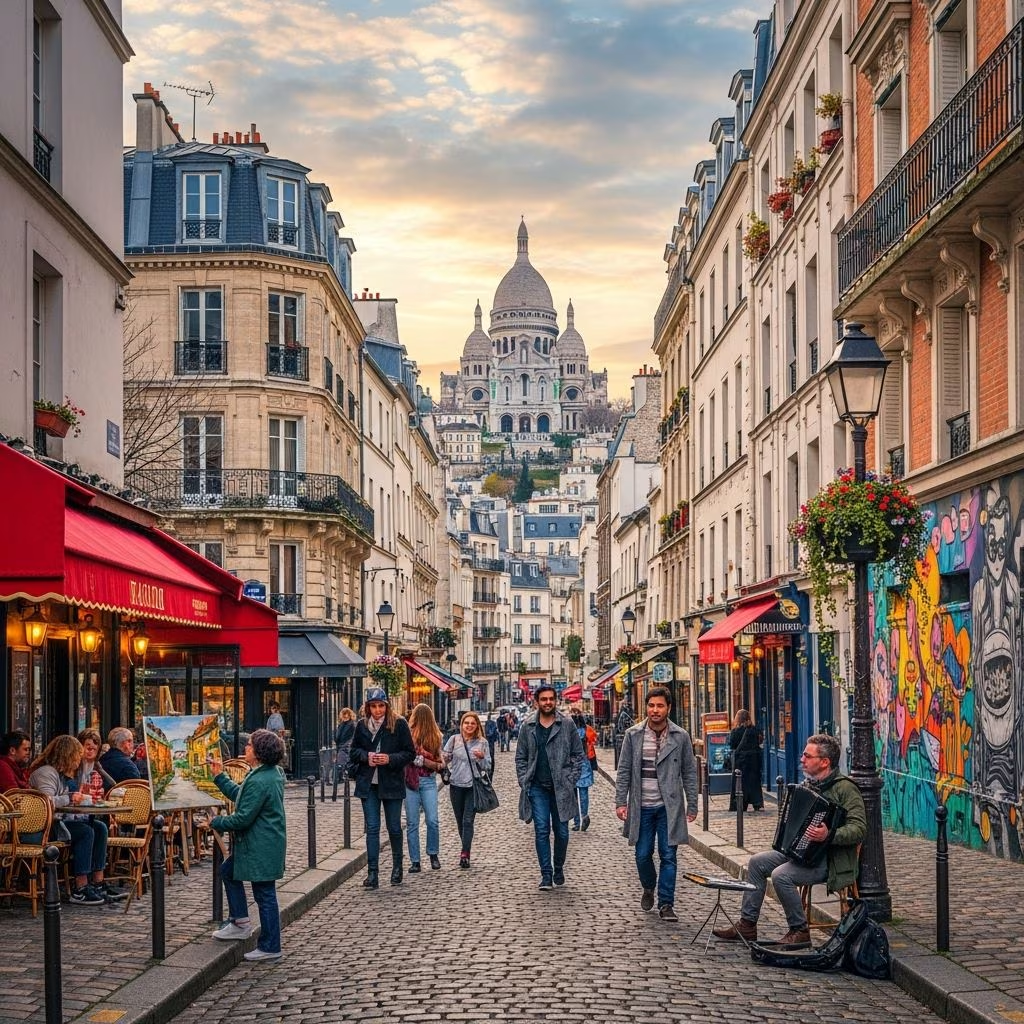
The 18th arrondissement stands as one of Paris’s most dynamic and multifaceted neighborhoods, blending centuries of artistic heritage with contemporary multicultural energy. Rising from the iconic hilltop of Montmartre to the bustling streets of Pigalle and the exotic markets of Goutte-d’Or, this northern quarter offers visitors a genuine taste of Parisian life away from the typical tourist circuits.
A Journey Through Time and Transformation
Historically, the 18th district evolved from rural vineyards worked by peasants into a haven for bohemian artists in the late 19th and early 20th centuries. Figures like Picasso and Van Gogh once roamed its cobblestone lanes, drawing inspiration from the bohemian vibe. Today, it has gentrified in parts, attracting young professionals with its mix of trendy boutiques, cozy cafes, and innovative cultural spaces, while retaining pockets of raw authenticity.
This evolution is evident in the contrast between the polished terraces of Montmartre’s cafes in summer—overflowing with wine glasses and lively chatter—and the intimate, fogged-window bistros in winter, where locals share quiet conversations. The area’s compact layout makes it ideal for pedestrians, allowing seamless exploration on foot.
Iconic Landmarks That Define the District
No visit to the 18th is complete without ascending to the Sacré-Cœur Basilica, perched atop Montmartre’s butte, offering panoramic views of Paris. Its white dome gleams against the skyline, symbolizing spiritual and architectural grandeur. Nearby, the Place du Tertre buzzes with artists sketching portraits, though savvy travelers venture beyond to quieter alleys.
- Moulin Rouge: The legendary cabaret in Pigalle evokes the can-can era, drawing evening crowds for shows blending burlesque and spectacle.
- Musée de Montmartre: Housed in a former artist residence, it showcases works and stories from the district’s creative golden age.
- Studio 28: Paris’s oldest art-house cinema, featuring fixtures designed by Jean Cocteau, perfect for immersive film experiences.
These sites anchor the district’s fame, but venturing further reveals hidden cemeteries like Saint-Vincent, serene parks such as Square des Deux-Nèthes, and charming passages like Cité Véron, evoking old-world Paris.
Multicultural Heart: Goutte-d’Or and Beyond
South of Montmartre lies Goutte-d’Or, dubbed ‘Little Africa’ for its vibrant West African and Maghreb influences. Around Château Rouge and Marcadet-Poissoniers metro stations, streets overflow with wax-print fabric shops, skilled tailors, grocers stocked with exotic spices, and eateries serving tagines and stews.
Rue Myrha exemplifies this energy, lined with vegan burger spots and afro-streetwear boutiques. Adjacent Rue des Gardes, known as the ‘Street of Fashion,’ hosts ethical designers crafting sustainable pieces. The neighborhood pulses with community spirit, from language classes to art workshops at cultural centers.
Further afield, areas like Barbès and La Chapelle carry reputations for edginess but reward with authentic markets and street life. Despite past associations with urban challenges, ongoing renovations have infused these zones with cultural buzz and underground appeal.
Culinary Delights Across Neighborhoods
The 18th excels in gastronomy, from nouvelle cuisine to African fusion. Skip tourist traps near Sacré-Cœur for local gems.
| Neighborhood | Specialty | Recommendations |
|---|---|---|
| Montmartre | Bakery & Bistro | Boulangerie du Square, Atelier P1, Léa (market-driven plates) |
| Goutte-d’Or | African/Maghreb | Street food stalls, Table Ouverte (social enterprise tea room) |
| Pigalle | Casual French | Shinya Pain, Pâtisserie Dugourd et Crenier |
| La Chapelle | Markets & Wine | Marché de la Chapelle (fresh produce), En Vrac (natural wines) |
Start days at a boulangerie for fresh pastries, linger over lunch at eco-conscious cantines, and end with apéro at buzzing bars. The renovated Marché de la Chapelle (aka Marché de l’Olive) offers convivial stalls with global cheeses, fruits, and world cuisines.
Modern Hubs and Creative Spaces
Repurposed industrial sites highlight the district’s innovative side. La Recyclerie and Le Hasard Ludique, former train stations along the Petite Ceinture—a wild, biodiverse abandoned rail line—now serve as eco-community centers with bars, restaurants, and event spaces hosting local music and workshops.
The Institut des Cultures d’Islam fosters dialogue through exhibitions, arabic calligraphy classes, and wolof singing, complemented by its associative tea room. For sports with a twist, Les Mah-Boules offers indoor pétanque amid drinks.
Practical Tips for Your Visit
Reach the 18th via RER B from Charles de Gaulle to Gare du Nord, then walk or metro (lines 4, 12, 2, 13). Orly travelers take metro 14 to connect. The district’s walkability shines, but wear comfortable shoes for hills.
- Best Time: Summer for terraces; June 21 for Fête de la Musique’s citywide concerts.
- Getting Around: Metro stations like Jules Joffrin, Place de Clichy guide navigation.
- Stay Local: Rue Poteau for indie shops with veggies and books; avoid peak Sacré-Cœur crowds.
Frequently Asked Questions
Is the 18th arrondissement safe for tourists?
While areas like Barbès have edgier vibes, most spots are welcoming. Stick to well-lit streets, especially at night, and focus on main attractions and markets.
What’s the best way to avoid Montmartre crowds?
Explore side streets like Rue Poteau or visit early morning/late evening. Head to Goutte-d’Or for a crowd-free multicultural immersion.
Are there family-friendly activities?
Yes—Square Louise Michel gardens, Petite Ceinture walks, and markets like Chapelle suit all ages. Cultural centers offer workshops.
What unique events happen here?
Fête de la Musique (June 21) features pop-up performances. Check La Recyclerie for ongoing local festivals.
Where to find authentic shopping?
Rue des Gardes for ethical fashion, Goutte-d’Or for African prints, Rue Poteau for independents.
Insider Paths: Crafting Your Perfect Itinerary
For a full day: Begin at Sacré-Cœur for views, wander Place du Tertre briefly, then descend to Pigalle for coffee. Lunch in Goutte-d’Or, shop fabrics, hit Le Hasard Ludique for evening vibes. Repeat over days to peel layers—art one day, food markets the next, nightlife after.
This district captivates with its contrasts: sacred heights, sultry nights, savory scents, and spirited streets. Embrace the walk, savor the bites, and let the 18th’s rhythm unfold.
References
- Paris’ 18th arrondissement: a Lonely Planet guide — Lonely Planet. 2023. https://www.lonelyplanet.com/articles/lonely-planet-guide-to-18th-arrondissement-paris
- Visiter 18ème arrondissement – Paris – Le Guide du Routard — Le Routard. 2024. https://www.routard.com/fr/guide/france/ile-de-france/paris/18eme-arrondissement
- A la découverte du 18e arrondissement de Paris — Paris Je t’aime. 2023. https://parisjetaime.com/article/a-la-decouverte-du-18e-arrondissement-de-paris-a832
- Guide par quartier | 18e arrondissement — Time Out Paris. 2025. https://www.timeout.fr/paris/que-faire-a-paris/guide-par-quartier-18e-arrondissement
On This Page
A Journey Through Time and Transformation Iconic Landmarks That Define the District Multicultural Heart: Goutte-d'Or and Beyond Culinary Delights Across Neighborhoods Modern Hubs and Creative Spaces Practical Tips for Your Visit Frequently Asked Questions Insider Paths: Crafting Your Perfect Itinerary← Previous
Best Day Trips from Zurich: Alps, Waterfalls & Lakes
Next →
Tenerife vs Gran Canaria: Which Canary Island Is Best for You?
Related Reading
More in Food & Culture
Food & Culture Food & Culture
 Food & Culture
Best Places to Eat in Rome: Neighborhood Dining Guide
 Food & Culture
 Food & Culture