

 Travel Essentials
 Travel Essentials

Learn how to recreate the beloved Dollywood cinnamon bread at home with detailed instructions, ingredient tips, and expert baking techniques for perfect results.
 Travel Essentials
Dollywood’s cinnamon bread has become a legendary treat for visitors to the Tennessee theme park, known for its buttery texture, generous cinnamon-sugar filling, and irresistible aroma. This distinctive sweet bread, often described as a cross between a pull-apart loaf and a cinnamon roll, has inspired countless home bakers to attempt recreating this iconic confection in their own kitchens. The combination of a soft, enriched dough with deep slits filled with butter, cinnamon, and sugar creates a memorable breakfast or dessert experience that keeps people coming back for more.
The foundation of exceptional cinnamon bread starts with the dough itself. Unlike quick breads that rely on chemical leavening agents, this traditional recipe uses active dry yeast to create a tender, flavorful crumb. The process begins by heating whole milk until it reaches scalding point—when small bubbles form around the edges of the pan. This step, which takes approximately three to four minutes over medium heat, serves an important purpose in bread baking by softening the gluten structure and helping the yeast activate more efficiently.
Once the milk reaches the appropriate temperature and cools to around 125 degrees Fahrenheit, unsalted butter is stirred into the mixture to melt completely. This butter enriches the dough, contributing to its characteristic tender crumb and golden color. The yeast is then whisked into this warm liquid mixture, allowing it to bloom and begin its fermentation process. Bread flour, which contains more protein than all-purpose flour, becomes the primary dry ingredient and contributes to the bread’s structure and chewiness.
The dry ingredients—bread flour, granulated sugar, and salt—are combined before being incorporated into the wet mixture. The sugar not only adds sweetness but also feeds the yeast, promoting better rise and browning. Salt plays a crucial role by controlling yeast fermentation and enhancing flavor development. The mixing process requires patience; the dough should come together gradually, eventually becoming smooth and elastic after several minutes of kneading.
One of the most distinctive characteristics of Dollywood cinnamon bread is the series of deep, evenly-spaced slits that run through the loaf. These cuts, typically numbering between six and eight, are made halfway through the loaf’s depth using a sharp serrated knife or a razor blade. This technique serves multiple purposes: it allows the butter to penetrate deep into the bread during both the preparation phase and while baking, ensures the cinnamon-sugar mixture reaches throughout the entire loaf rather than remaining concentrated on the surface, and creates visual appeal when the bread is sliced.
The depth of these slits is particularly important. Cutting only halfway through prevents the loaf from separating into individual pieces while still creating sufficient channels for flavor distribution. The slits should be evenly spaced across the loaf’s width, creating a visually appealing pattern that also ensures consistent texture throughout. Making these cuts requires a steady hand and a properly sharpened knife to ensure clean cuts without crushing the delicate dough.
The filling that transforms ordinary bread into Dollywood’s signature creation consists of three essential components working in harmony:
Creating an optimal filling requires combining approximately one-quarter cup of granulated sugar with one-quarter cup of light brown sugar and one tablespoon of ground cinnamon. This ratio provides sufficient sweetness and spice intensity without overwhelming the bread’s inherent wheat flavor. The mixture should be stirred thoroughly to distribute the cinnamon evenly, preventing pockets of intense spice and ensuring consistent flavor in every bite.
The application process for the filling dramatically influences the final product’s success. After the dough has risen to approximately double its original size, melted butter is generously poured over the prepared slits, allowing it to seep into the bread’s interior. This initial buttering creates a foundation for the sugar mixture and adds moisture to the bread’s crumb structure.
The cinnamon-sugar mixture is then spooned directly into the slits and across the top surface of the loaf, with special attention paid to working the mixture into each cut. The goal is to coat the interior surfaces of the slits as thoroughly as possible, ensuring that every section of the bread delivers the desired cinnamon-sugar experience. Some bakers find it helpful to use their fingers to gently pat the mixture into place, ensuring it adheres to the buttered surfaces rather than falling off.
After the filling is applied and the bread is placed into its baking vessel, a final rise occurs. Covering the loaf with a clean kitchen towel and placing it in a warm, draft-free location allows the yeast to continue its work. The dough should rise until visibly increased in volume, typically doubling in size over approximately 45 minutes. This rising period is crucial because it develops the bread’s texture, creates the signature tender crumb, and allows fermentation to occur, which enhances flavor complexity.
Baking occurs in a preheated 375-degree Fahrenheit oven for approximately 35 to 40 minutes. The bread should develop a golden-brown exterior while remaining tender inside. A properly baked loaf will sound hollow when tapped on the bottom and register between 190 and 200 degrees Fahrenheit on an instant-read thermometer inserted into the thickest section.
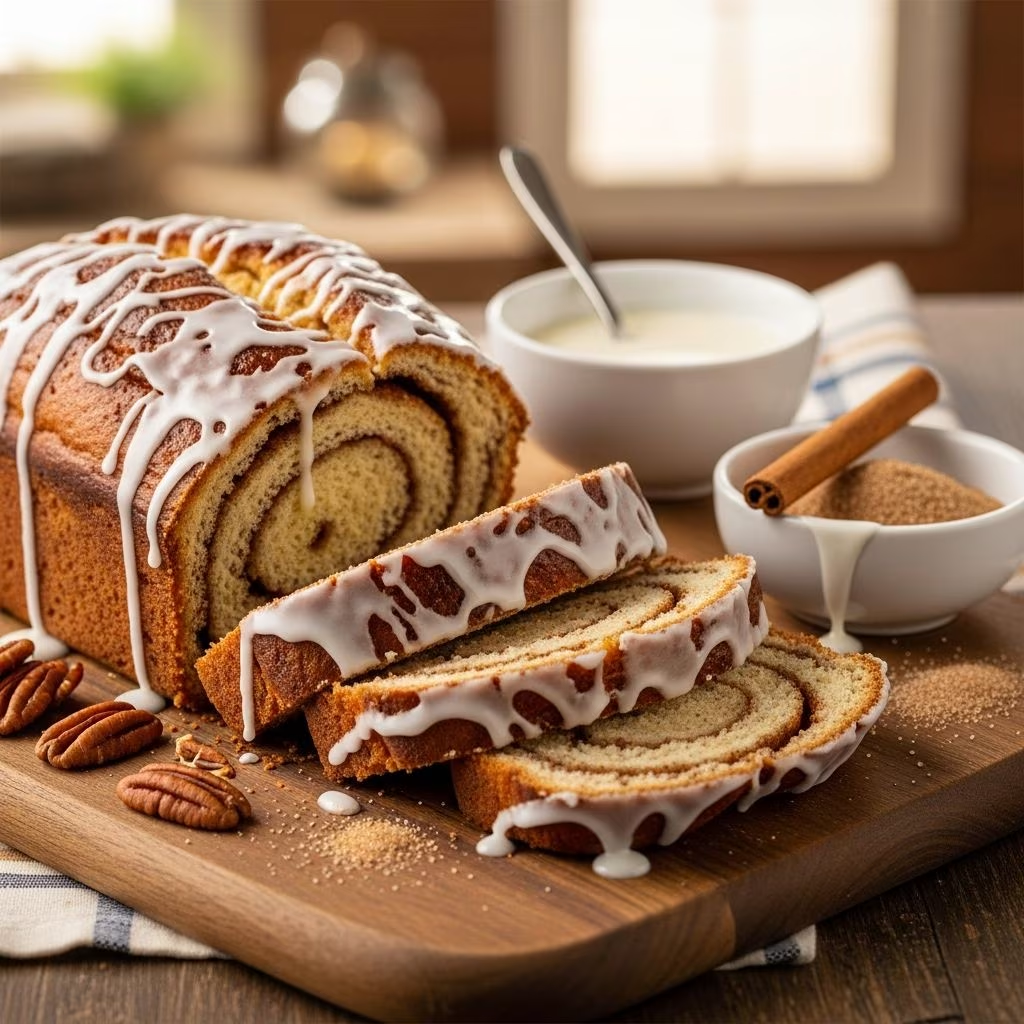
The finishing glaze transforms the finished bread into a professionally polished creation. A simple combination of powdered sugar and milk, mixed until reaching a pourable consistency, creates a subtle sweet coating. This glaze is either drizzled across the warm bread’s surface or served as an accompaniment for dipping. The powdered sugar should be sifted before combining with milk to eliminate lumps and ensure a smooth, uniform glaze texture.
Dollywood cinnamon bread remains fresh at room temperature for up to two days when stored in an airtight container. The butter and sugar filling help preserve moisture, preventing the bread from becoming dry. For longer storage, the bread can be frozen for up to three months when wrapped tightly in plastic wrap and stored in an airtight freezer bag. Thawing should occur at room temperature for three to four hours before serving.
For make-ahead convenience, the dough can be prepared through the first rise, then refrigerated overnight. The next morning, the dough is removed from refrigeration, allowed to come to room temperature, then shaped, filled, and baked. This approach allows busy bakers to enjoy fresh cinnamon bread without starting from scratch on the morning they wish to serve it.
The quality of individual ingredients significantly impacts the final result. Using bread flour rather than all-purpose flour creates a more robust structure and chewier texture. Fresh yeast, checked for expiration dates, ensures reliable rising and flavor development. Premium ground cinnamon delivers superior flavor compared to older, degraded spices that have lost potency through exposure to heat and light.
For those requiring ingredient modifications, several substitutions work effectively. All-purpose flour can replace bread flour, though the resulting texture will be slightly more tender. Whole milk can be substituted with buttermilk for added tang and moisture. Light brown sugar can be replaced with dark brown sugar for a more pronounced molasses flavor, though the color will darken. Margarine or shortening may be used in place of butter, though butter provides superior flavor.
Yeast activates optimally between 105 and 110 degrees Fahrenheit. Water that is too hot (above 120 degrees) kills the yeast, while water that is too cool does not sufficiently activate fermentation. Using an instant-read thermometer ensures precise temperature control.
Yes. Thawed frozen bread dough significantly streamlines the process, reducing preparation time from multiple hours to approximately 30 minutes. The bread’s quality may differ slightly from dough made from scratch, but the results remain delicious and convenient for busy schedules.
If the top of the bread browning too quickly while the interior remains undercooked, loosely cover the loaf with aluminum foil during the latter portion of baking. This technique reflects heat away from the surface while allowing interior baking to continue.
Dense texture typically results from insufficient yeast, inadequate rising time, or expired leavening agents. Additionally, overmixing the dough can develop excessive gluten, creating a tough crumb. Ensuring yeast is fresh, allowing adequate rising time in a warm location, and mixing only until the dough comes together resolves these issues.
Whole grain flour can partially replace bread flour for those seeking additional fiber. Gluten-free bread flour blends designed for yeast breads produce acceptable results, though texture differs slightly from traditional wheat-based versions. Dairy-free milk alternatives work, though the bread’s flavor profile changes. Sugar-free sweeteners produce inferior browning and rise characteristics.
Understanding potential issues helps prevent disappointment. Bread that rises too quickly or too much likely contains excessive yeast or was placed in an overly warm environment; reduce yeast by one-quarter teaspoon and allow rising in a cooler location. Bread that fails to rise may contain expired yeast; check expiration dates and replace yeast if necessary. A tough, dense crumb usually indicates overmixing or prolonged kneading; mix only until ingredients combine and knead until smooth and elastic without continued mixing. Uneven browning typically results from inconsistent oven temperature; use an oven thermometer to verify accuracy and adjust racks for more even heat distribution.
Dollywood cinnamon bread shines as a breakfast centerpiece, served warm with coffee or hot chocolate. Its richness makes it satisfying on its own, though a light spread of cream cheese offers complementary tartness. For dessert applications, serve alongside vanilla ice cream or with additional glaze for enhanced sweetness. The bread’s pull-apart nature makes it ideal for sharing, as guests can easily separate sections without requiring cutting utensils.
This homemade version brings the magic of Dollywood directly to your kitchen table, offering a rewarding baking project that produces results rivaling the authentic theme park version.
