

 Travel Essentials
 Travel Essentials

Complete guide to Dominica's natural wonders, outdoor activities, best times to visit, and travel planning tips for the ultimate Caribbean adventure.
 Travel Essentials
When most travelers think of Caribbean vacations, they envision pristine beaches and resort lounging. Dominica invites a different kind of escape—one where volcanic peaks pierce emerald canopies, hot springs bubble beneath lush vegetation, and waterfalls cascade into crystalline pools far from commercial development. This 290-square-mile island earned its nickname as “The Nature Island” not through marketing hype but through its genuine commitment to preserving authentic wilderness experiences.
What makes Dominica particularly compelling for contemporary travelers is its resistance to overdevelopment. Unlike some Caribbean destinations that have transformed into theme parks of tourism, Dominica maintains a rugged, unspoiled character. The island remains blanketed in rainforest across approximately 60% of its total area, creating an environment where adventure trumps amenity and natural wonders take precedence over manicured resort pools.
The island’s volcanic geology contributes significantly to its distinctive appeal. This geological heritage has created dramatic landscapes featuring deep gorges, towering mountains, black sand beaches, and natural thermal springs scattered throughout the island. For visitors seeking genuine connection with Caribbean nature rather than commercialized experiences, Dominica represents an increasingly rare opportunity.
Timing your visit to Dominica requires understanding the island’s two distinct seasons, each offering different advantages for travelers with varying priorities.
Running from December through May, Dominica’s dry season provides the most favorable conditions for outdoor activities. Consistent sunshine, lower humidity levels, and minimal rainfall create ideal circumstances for extended hiking expeditions, water sports, and jungle exploration. This period represents peak tourist season, meaning accommodations book quickly and prices reflect increased demand. Travelers should plan visits during this window well in advance to secure preferred lodging and arrange guided tours.
The dry season’s reliable weather patterns make it particularly suitable for multi-day treks along challenging trails and deep-water diving expeditions where visibility reaches optimal levels. Water temperatures remain pleasantly warm throughout this period, ranging between 78-82 degrees Fahrenheit.
From June through November, Dominica transitions into its rainy season, which also coincides with Atlantic hurricane season. While this period receives intermittent showers and occasionally experiences stormy weather, it doesn’t eliminate outdoor recreation possibilities. Experienced travelers recognize that rainfall between downpours remains entirely manageable for most activities. The wet season offers significant advantages: substantially reduced visitor numbers, lower accommodation prices, and landscapes energized by abundant moisture that intensifies the island’s botanical grandeur.
Travelers visiting during wetter months should plan flexibility into itineraries, understanding that certain high-altitude hikes may become challenging or temporarily inaccessible following heavy rainfall. However, the trade-off of solitude and financial savings attracts serious adventurers and budget-conscious explorers.
Dominica’s most ambitious trekking opportunity is the Waitukubuli National Trail, a 115-mile path stretching from Scotts Head in the southern tip to Cabrits National Park in the north. This remarkable route represents the Caribbean’s longest long-distance hiking trail, offering dedicated trekkers an extraordinary multi-day expedition through diverse ecosystems. The full traverse requires significant preparation, physical conditioning, and typically spans 14-16 days of continuous hiking.
Beyond this signature route, numerous shorter trails cater to day hikers and those with limited timeframes. Morne Trois Pitons National Park encompasses several memorable hiking routes, each revealing different facets of Dominica’s geological and botanical richness. Popular day hikes include routes to Boiling Lake (a full-day, 6-hour expedition), Middleham Falls (3-4 hours), and various waterfall circuits near Emerald Pool.
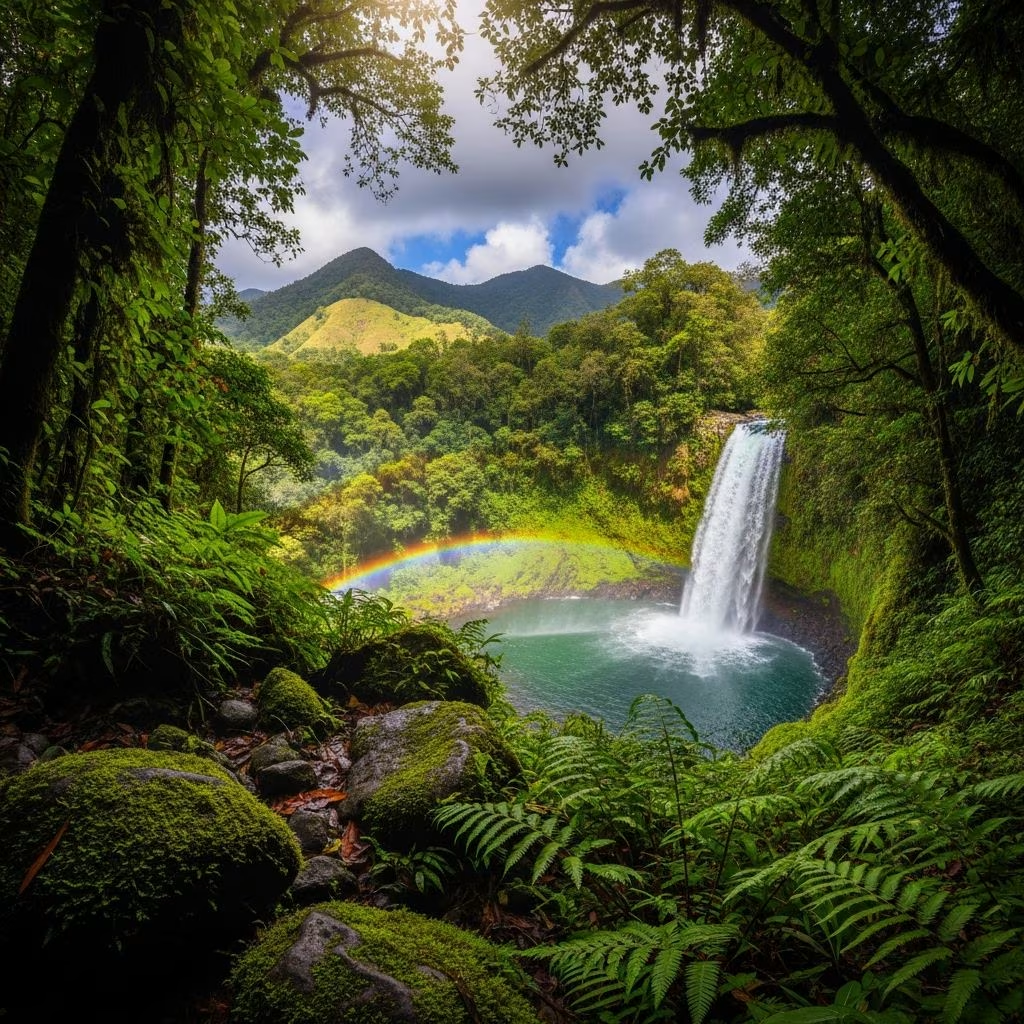
Dominica’s abundant precipitation creates a spectacular network of waterfalls, some plunging from heights exceeding 250 feet. Beyond famous cascades like Trafalgar Falls and Middleham Falls, lesser-known waterfalls including Jacko Falls, Spanny Falls, and Salton Falls reward explorers willing to venture beyond primary tourist routes. Many waterfalls feed natural pools suitable for swimming, creating refreshing respites during jungle treks.
Guides specializing in waterfall tours often design expeditions visiting multiple falls within single outings, maximizing the aquatic experience. The sheer abundance of waterfalls means return visitors consistently discover previously unexplored cascades.
Dominica’s geologically active landscape manifests through natural hot springs distributed across the island, offering visitors opportunities to experience warm mineral waters surrounded by jungle settings. Titou Gorge presents one of the more accessible thermal spring experiences, combining hiking to an impossibly narrow gorge with bathing in naturally heated waters. Ti Kwen Glo Cho represents another thermal attraction, though accessibility and safety conditions fluctuate based on rainfall and geological stability.
For visitors seeking more dramatic volcanic experiences, the island’s sulfur vents and geothermal features provide tangible connections to the island’s active geological processes. Photography enthusiasts particularly appreciate the otherworldly aesthetics of these volcanic landscapes.
Dominica’s position in the Atlantic creates unusual marine conditions compared to other Caribbean destinations. Approximately 40 recognized dive sites circle the island, accommodating divers of varying experience levels. The consistent warm water temperatures and diverse marine ecosystems attract enthusiasts seeking encounters with tropical fish species, coral formations, and occasional larger pelagic visitors.
Snorkeling opportunities abound in shallower coastal areas, particularly around Scotts Head Peninsula in the south, where excellent visibility and vibrant coral reefs create accessible underwater experiences. The rocky nature of many beaches actually contributes to superior snorkeling by directing boat traffic away from sensitive reef zones.
The Indian River, Dominica’s most celebrated waterway, offers visitors a unique flat-water paddling experience through lush jungle corridors. Traditional boats guide passengers upstream through vegetation so dense that sunlight barely penetrates the canopy, creating an immersive natural experience. The journey’s cultural dimension includes stops at historic locations recognized from popular film franchises, adding contemporary context to traditional river explorations.
Cabrits National Park preserves Dominica’s colonial military history through extensive ruins centered on Fort Shirley, a structure reflecting centuries of strategic competition between European powers. The site encompasses intact cannons, commandant quarters, and panoramic views of surrounding waters from defensive positions. For history enthusiasts and those interested in Caribbean colonial narratives, this peninsula provides substantial educational context alongside physical exploration opportunities.
Dominica maintains the Caribbean’s largest surviving indigenous population, with approximately 3,000 Carib descendants residing in the southeastern territory. The Kalinago Territory spans 3,700 acres and includes reconstructed traditional villages offering visitors glimpses into indigenous cultural practices. Performances featuring traditional dances, exhibitions of basket weaving, pottery production, and other ancestral crafts provide cultural education while supporting contemporary indigenous communities economically.
Contrary to typical Caribbean beach expectations, Dominica’s coastlines emphasize dramatic landscape qualities over resort aesthetics. Northern beaches tend toward sandy compositions, providing conventional beach experiences. Southern shores feature more rugged rocky terrain interspersed with dramatic cliff formations and smaller sandy pockets. Black sand beaches, a result of volcanic geology, characterize certain coastal areas and create visually striking environments unlike conventional white-sand destinations.
This unconventional beach profile means visitors should reset expectations, recognizing that Dominica’s primary appeal derives from natural hinterland attractions rather than coastal resort infrastructure. Small beachfront towns provide dining and basic amenities without the commercial overdevelopment characterizing other Caribbean destinations.
A distinctive advantage of Dominica travel involves the ability to calibrate activity intensity according to personal preferences and physical capabilities. Visitors seeking structured resort-based vacations can arrange guided excursions from comfortable accommodations, experiencing natural attractions under professional supervision with predetermined itineraries and scheduled meal times.
Conversely, adventurous independent travelers can rent vehicles and design self-guided exploration routes, establishing personalized pacing and discovering unmarked natural features unfamiliar to typical tour groups. This flexibility attracts diverse visitor demographics, from retirees seeking manageable nature exposure to extreme adventure athletes pursuing challenging expeditions.
Visitors should understand that Dominica’s limited commercial development extends to infrastructure. Roads vary significantly in condition, ranging from well-maintained highways to challenging mountain passes. Rental vehicles provide maximum flexibility for independent exploration, though some attractions require guide services for safety and environmental protection reasons. Public transportation exists but operates according to informal scheduling, making advance planning difficult for time-sensitive itineraries.
Serious hikers should prepare appropriately for terrain challenges, including muddy conditions following rainfall, steep elevation changes, and occasionally unmarked trail sections. Waterproof hiking boots, insect protection, and sun protection represent essential equipment categories. The combination of humidity, tropical sun intensity, and physical exertion requires constant hydration and energy supplementation.
Despite Dominica’s relative isolation and limited tourism infrastructure, the island remains competitively priced within Caribbean travel contexts. Accommodations range from luxury resorts to budget guesthouses, with mid-range options predominating. Dining costs vary dramatically between resort establishments and local family restaurants, offering budget-conscious travelers significant savings opportunities through strategic choices.
Dominica’s history includes recovery from multiple significant hurricanes over the past decade, yet the island and its communities demonstrate notable resilience. This contemporary reality means visitors support economic recovery through tourism expenditure while experiencing destination that values sustainability and community well-being alongside commercial interests.
Typical visits spanning one to two weeks allow moderate coverage of signature attractions while maintaining reasonable activity pacing. Four-day itineraries might emphasize singular regions, combining diving or snorkeling with associated waterfall hikes. Extended stays permit attempting the full Waitukubuli Trail or combining multiple regional explorations with cultural experiences and historical site visits.
The ability to adjust activity intensity mid-trip represents a significant planning advantage—visitors experiencing fatigue can shift to less demanding activities without sacrificing meaningful engagement with the island’s natural character.
Dominica appeals most powerfully to travelers prioritizing authentic natural experiences over luxury amenities. The combination of unspoiled rainforests, abundant waterfalls, challenging hiking opportunities, and marine biodiversity creates a compelling destination for ecotourists, adventure athletes, and nature photographers. Unlike island destinations that have transformed into entertainment complexes, Dominica remains fundamentally wild—a place where nature commands attention and visitors adapt to environmental rhythms rather than demanding environmental adaptation to visitor preferences.
December through May offers the most reliable weather for hiking, diving, and water sports, with minimal rainfall and excellent visibility. However, experienced travelers appreciate June through November for reduced crowds and lower prices, accepting occasional rain interruptions.
Dominica’s primary appeal centers on nature and adventure rather than resort beach culture. Visitors expecting conventional Caribbean beach experiences should consider alternative destinations with developed beach infrastructure.
Difficulty varies substantially. Short waterfall hikes (1-2 hours) require moderate fitness. Boiling Lake and full-day expeditions demand significant physical conditioning and endurance. The Waitukubuli Trail requires advanced hiking experience and multi-day commitment.
Many attractions require guide services for safety and environmental protection. Hiking during heavy rainfall increases risks from flash flooding and unstable terrain. Insect protection, sun protection, and hydration remain critical health measures.
Vehicle rental provides significant independence for regional exploration, though certain protected areas and challenging trails specifically require authorized guides for liability and conservation reasons.
