

 Travel Essentials
 Travel Essentials

Discover why Dominica stands apart as the Caribbean's ultimate destination for outdoor adventures, from multi-day hiking expeditions to pristine natural hot springs and diverse ecosystems.
 Travel Essentials
Dominica stands as one of the most distinctive Caribbean destinations, offering visitors an experience fundamentally different from the typical beach-resort islands that characterize much of the region. This Eastern Caribbean paradise, encompassing approximately 290 square miles and 751 square kilometers, has earned its reputation as the Nature Island through an extraordinary combination of unspoiled landscapes, robust biodiversity, and geological wonders that few Caribbean territories can match. Unlike many neighboring islands where pristine beaches serve as the primary draw, Dominica inverts this expectation entirely—its true allure lies in the opportunities it presents for immersive natural experiences and authentic environmental engagement.
What fundamentally separates Dominica from other Caribbean destinations is its remarkable commitment to environmental preservation. Approximately 60 percent of the island remains forested, creating an almost continuous canopy of emerald vegetation that blankets much of the terrain. This extensive forest coverage, combined with the island’s dramatic topography, has created a landscape that feels largely untouched by modern development. Visitors expecting the conventional Caribbean experience of manicured resorts and developed shorelines will find themselves pleasantly surprised—or perhaps initially disappointed, depending on their expectations—to discover an island that prioritizes natural authenticity over commercial infrastructure.
The island’s geological history has significantly shaped its current character. Dominica sits within the volcanic belt of the Lesser Antilles, and this geological heritage manifests throughout the landscape in the form of black sand beaches, steaming hot springs, and dramatic mountain formations. The combination of volcanic activity, abundant rainfall, and tropical conditions has created ideal circumstances for rainforest development and the emergence of countless freshwater rivers and waterfalls.
Timing your visit to Dominica requires understanding the island’s seasonal patterns and how they interact with your preferred activities. The island experiences two distinct seasons that significantly influence both weather conditions and visitor experiences.
Despite the rainy season’s reputation, outdoor activities remain feasible during these months. Short afternoon showers typically pass quickly, and many hikers and adventurers find the cooler temperatures and lush vegetation particularly appealing. The decision between seasons ultimately depends on your tolerance for wet weather, your flexibility with activity scheduling, and your preference for either peak-season certainty or off-season solitude and value.
For serious hikers and long-distance trekking enthusiasts, Dominica offers something genuinely unique within the Caribbean context. The Waitukubuli National Trail represents the longest hiking route in the entire Caribbean region, extending an impressive 115 miles from the southern village of Scotts Head to Cabrits National Park in the northern reaches of the island. The name itself comes from the Indigenous Kalinago language, representing a linguistic connection to the island’s original inhabitants.
This extraordinary trail divides into 14 distinct sections, with each section designed to consume approximately one full day of hiking effort. Completing the entire route requires a two-week commitment, making it suitable only for seriously dedicated hikers with appropriate physical conditioning and wilderness experience. The trail winds through thick rainforest passages where the canopy filters sunlight into dappled patterns, crosses numerous waterfall systems including the impressive Trafalgar Falls, and passes through authentic local communities that provide cultural context to the physical achievement.
Alternatively, hikers need not commit to the full two-week experience. Individual sections can be tackled as day hikes or multi-day segments, allowing visitors with limited time to sample the trail’s character without requiring an extended expedition. This flexibility makes the Waitukubuli Trail accessible to a broader range of fitness levels and vacation timescales.
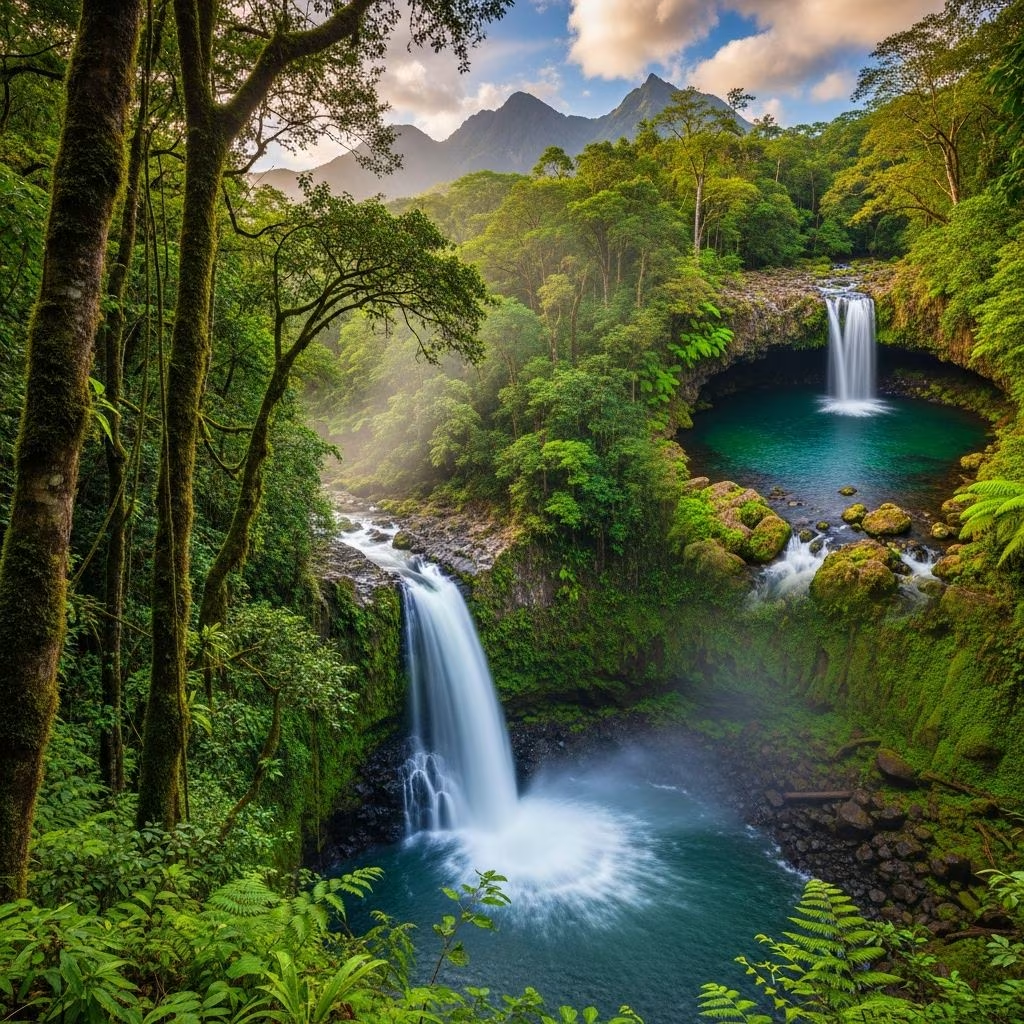
Dominica’s abundance of freshwater and the geological conditions that create dramatic elevation changes have combined to produce one of the Caribbean’s most impressive collections of waterfalls. The island receives substantial annual rainfall—a factor that some might consider a disadvantage—but which actually represents a tremendous asset for creating dynamic water features. Most days of outdoor exploration include encounters with waterfalls of varying sizes, from modest cascades to powerful torrents plunging significant distances.
Notable waterfall destinations include Trafalgar Falls, Middleham Falls, and the Emerald Pool area, which features multiple cascades in proximity to one another, allowing visitors to experience several different water features during a single outing. The Emerald Pool itself represents a particularly photogenic destination, offering a vivid green swimming hole surrounded by lush vegetation. These waterfall destinations typically require hiking efforts ranging from one to four hours depending on the specific location and your preferred pace.
For visitors seeking a more relaxing approach to Dominica’s water resources, the island’s numerous natural hot springs and thermal areas provide alternatives to strenuous hiking. These geothermal features allow visitors to soak in naturally heated water while surrounded by tropical vegetation—a rejuvenating experience that combines relaxation with immersion in the island’s unique geological character.
Dominica’s distinction as an island blessed with 365 rivers—one for each day of the year—creates exceptional opportunities for water-based exploration and adventure activities. Among these waterways, the Indian River holds particular renown as the island’s most famous river experience. Floating down this river provides a fundamentally different perspective on Dominica’s wilderness compared to land-based hiking, allowing visitors to observe the landscape from a unique vantage point while moving through relatively undisturbed terrain.
The Indian River experience typically involves guided boat tours that navigate through narrow passages where vegetation creates an almost tunnel-like environment overhead. The journey passes several points of cultural interest, including Tia Dalma’s Shack, a location that gained recognition through filming related to the Pirates of the Caribbean entertainment franchise. The river tours often conclude at rustic establishments where visitors can refresh themselves with local beverages and refreshments.
Beyond its natural wonders, Dominica offers historical sites that provide context for understanding Caribbean colonial history and indigenous heritage. Cabrits National Park encompasses a restored fort complex featuring historical military structures including Fort Shirley, cannons, and the Commandant’s Quarters. This location offers both historical education and panoramic views across the bay, combining intellectual enrichment with scenic beauty.
The Kalinago Territory, located in the southeastern portion of the island on the Atlantic side, represents another important cultural destination. This 3,700-acre area remains home to indigenous Carib Indian communities and features a model Carib village designed to educate visitors about traditional culture. Performances of traditional dances, demonstrations of crafts including basket weaving and pottery, and opportunities to engage with indigenous cultural practices provide meaningful intercultural exchanges.
Visitors accustomed to Caribbean beaches featuring powdery white sand will need to adjust expectations upon arrival in Dominica. The island’s volcanic geological heritage manifests most obviously in its black and gray sand beaches, which mark the shoreline as distinctly different from postcard-perfect white sand destinations. While some travelers find these unique beaches immediately appealing for their distinctive character, others may require a brief adjustment period.
Rocky outcroppings frequently characterize Dominica’s coastline, particularly in certain regions, making traditional beach lounging challenging. However, locations such as Mero Beach provide conventional beach amenities including chair rentals and waterfront establishments serving food and beverages. Sunset viewing from these beaches creates particularly atmospheric experiences as the sun descends over the Caribbean horizon.
The northern regions of the island tend to feature more sandy beaches, while southern areas often display rockier coastal characteristics. Visitors prioritizing beach time should focus their explorations in the northern sections while recognizing that true beach relaxation constitutes a secondary rather than primary activity on this nature-focused island.
Successfully experiencing Dominica’s attractions often requires independent transportation, as many natural sites lack consistent road signage or public transit connections. Renting a vehicle provides the flexibility necessary for accessing remote locations and managing your own itinerary without relying on organized tour schedules.
However, driving in Dominica presents specific challenges that warrant attention before embarking on self-guided exploration:
Visitors uncomfortable with challenging driving conditions or lacking left-side-of-the-road experience should consider organized tours or hiring local drivers familiar with the island’s specific conditions.
The East Caribbean Dollar (XCD) serves as the official currency. While credit cards find acceptance at larger establishments, smaller attractions, local restaurants, and rural areas typically require cash payments. ATMs exist in main towns but may not serve all island locations, making it prudent to carry adequate cash reserves.
Yes, Dominica’s tap water meets international safety standards and remains potable throughout most of the island. This represents a significant advantage compared to some other Caribbean destinations, eliminating the need to purchase bottled water for general consumption.
English serves as the official language and is widely spoken throughout the island. French-influenced Creole constitutes a secondary language in some communities, but English-speaking visitors will not encounter communication barriers.
Activities range from moderate day hikes requiring basic fitness to challenging multi-hour expeditions demanding excellent physical conditioning. Visitors should honestly assess their fitness level and choose activities accordingly. Even moderate hikes in Dominica’s tropical climate with significant elevation changes require adequate preparation and hydration.
Dominica’s climate and terrain demand specific preparation considerations. The combination of high humidity, tropical sun exposure, intense hiking activities, and water-based recreation creates particular requirements for visitor comfort and safety:
Dominica appeals most directly to travelers prioritizing authentic natural experiences over resort amenities and commercial infrastructure. This destination suits adventurous visitors comfortable with challenging terrain, unpredictable weather, and limited luxury accommodations. Conversely, travelers seeking pristine beaches, sophisticated dining, and high-end resort experiences will likely find Dominica frustrating or disappointing.
The flexibility to customize your experience level represents a key advantage—visitors can select activities ranging from gentle guided river tours to demanding multi-day treks, allowing the island to accommodate varying fitness levels and comfort preferences. Budget-conscious travelers particularly benefit from Dominica’s off-season pricing and the abundance of natural attractions requiring no entrance fees.
Dominica represents a genuine alternative to conventional Caribbean tourism, offering visitors an opportunity to engage with tropical environments in largely pristine condition. The combination of extensive rainforests, dramatic waterfalls, geothermal features, and long-distance hiking routes creates an unmatched natural adventure destination within the Caribbean region. Success in visiting Dominica depends fundamentally on arriving with appropriate expectations—embracing the island’s rugged character, respecting its environmental constraints, and prioritizing natural immersion over material amenities. For travelers matching this profile, Dominica delivers experiences of genuine significance and lasting memory.
