

 Travel Essentials
 Travel Essentials

Learn everything needed to plan a successful camping trip to Dry Tortugas National Park, from ferry logistics to packing requirements and onsite regulations.
 Travel Essentials
Dry Tortugas National Park offers a unique and remote camping experience unlike any other destination in Florida. Located approximately 70 miles west of Key West, this park protects a collection of islands with pristine waters, abundant marine life, and the historic Fort Jefferson. Camping here requires careful preparation and understanding of the park’s specific requirements, but the reward is an extraordinary adventure in one of America’s most isolated national parks.
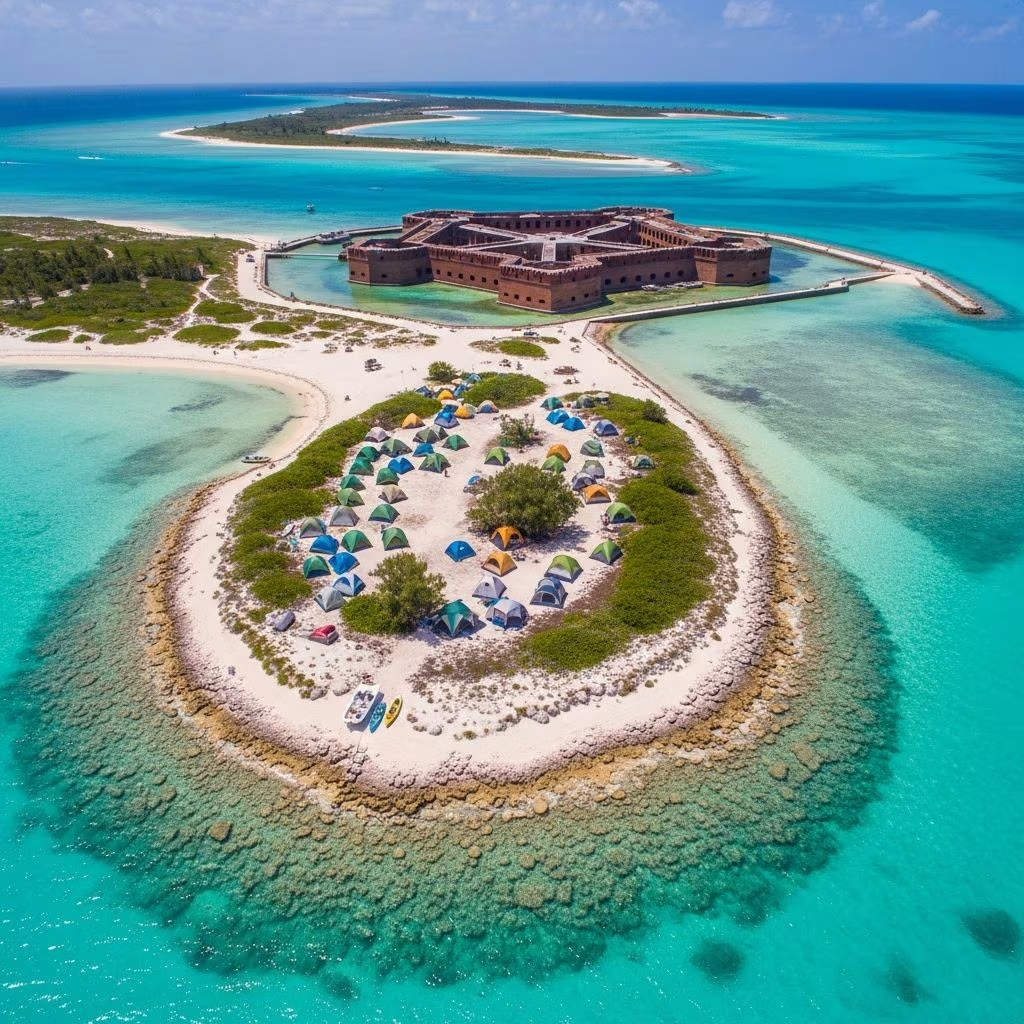
All camping at Dry Tortugas takes place on Garden Key, home to the iconic Fort Jefferson. This is the only location within the park where overnight stays are permitted. The campground sits just south of the massive Civil War-era fort, creating a unique setting where history and nature converge. The isolation of Garden Key means that self-sufficiency is paramount—there are no nearby towns, supply stores, or facilities beyond what the park provides. This remote location is precisely what makes camping here so special, but it demands thorough preparation from every visitor.
Access to Dry Tortugas requires traveling via the Yankee Freedom ferry, a commercial passenger vessel operating from Key West. The journey takes approximately 2 hours and 10 minutes each way from Key West harbor to reach the national park boundaries. Understanding the ferry logistics is crucial for a successful camping trip.
Campers must arrive at the Yankee Freedom dock located at 100 Grinnell Street in Key West no later than 6:00 AM on their arrival day. Day-trippers arrive at 7:00 AM, but overnight campers need the earlier time to load all their equipment. The vessel departs at 8:00 AM, arriving at Fort Jefferson around 10:15 AM. Return trips depart Dry Tortugas at 3:00 PM, arriving back in Key West by 5:15 PM. A valid photo ID is required at check-in.
On departure day, all camping gear must be at the dock—not in the camping area—by 10:30 AM. Equipment should be cleaned of sand before re-boarding. Keep only essentials with you during the day, as the boat may be away from the dock for extended periods.
The Yankee Freedom offers comfortable seating, with options to travel in an air-conditioned cabin or observe from outdoor decks. The vessel features three restrooms, a fresh water rinse shower, and a full galley serving snacks, soft drinks, and beverages. On arrival day, campers receive a breakfast snack and box lunch included with their ticket. The ticket price includes park entrance fees and a narrated 45-minute tour of Fort Jefferson.
Camping at Dry Tortugas operates on a first-come, first-served basis. No advance reservations are accepted for campsites, which means all arrivals are guaranteed a place to camp, though location cannot be pre-selected. This system works because each of the eleven campsites (eight regular sites plus overflow areas) accommodates up to six campers and three tents.
Each regular campsite includes essential amenities: a picnic table, an elevated grill suitable for charcoal fires, and a post designed for hanging food and supplies. All camping equipment and tents must remain within 10 feet of the picnic table. This constraint requires thoughtful arrangement of gear and careful site planning before setting up camp.
Should all eight regular sites be occupied upon arrival, campers must use the overflow area, a grassy expanse near the main campground. While overflow sites include shared tables and grills, campers must split these amenities with other overflow guests. As existing campers depart, opportunities to relocate to regular sites become available.
Since no supply stores exist within the park, and rangers cannot provide equipment or supplies, packing comprehensively before departure is absolutely critical. The following represents a thorough preparation checklist for camping success.
Water is the single most important item to bring. Campers should plan for at least one gallon of fresh water per person per day for drinking and bathing. This accounts for drinking, cooking, personal hygiene, and the hot desert-like climate of the islands. There are no fresh water sources available on Garden Key beyond the limited rinse shower access when the ferry is docked.
Understanding available facilities helps campers prepare appropriately and adjust expectations for primitive conditions.
The campground features composting toilets designed exclusively for human waste and toilet paper. These fragile systems are closed from approximately 10 AM to 3 PM daily. During closure hours, visitors may use restrooms aboard the ferry boats at the dock. It is critically important never to dispose of trash, food scraps, or any non-organic materials in these toilets. Visitors should lower toilet lids when not in use to reduce odors and facilitate the composting process.
No public shower facilities exist within the campground. When the ferry is docked at Garden Key, visitors may use the vessel’s fresh water rinse shower, but soap is not permitted. This limitation requires campers to plan for minimal bathing opportunities during multi-day stays.
Absolutely no electrical hookups, cellular service, or WiFi are available in the campground. Visitors operating battery-powered devices should plan accordingly and bring adequate backup power sources, chargers, or solar charging devices.
The park has established specific regulations to protect the environment and ensure fair access for all visitors. Compliance is mandatory.
Only charcoal briquettes in campsite BBQ grills or gas camping stoves are permitted. No wood fires are allowed under any circumstances. Because commercial ferries prohibit compressed gas canisters onboard, campers cannot bring propane tanks. All liquid fuels are similarly prohibited. Plan on purchasing self-starting charcoal before boarding the ferry or bring charcoal purchased in advance.
Trees and shrubs on Garden Key serve critical functions: providing shade, breaking wind, and stabilizing the island’s ecosystem. Absolutely nothing should be attached to campground trees—not ropes, hammocks, laundry lines, tents, or any other materials. All camping gear must be freestanding. Clothes lines may be strung between provided posts only.
Rats have inhabited the Tortugas likely since humans first arrived on the islands. While the park manages the rat population, these rodents actively forage through campsites seeking food. The only reliable protection is storing all food and food trash in hard-sided containers. Rats will gnaw through tents and backpacks if they detect food odors, and can climb the provided hanging posts. Protecting food properly is not optional—it’s essential for trip success.
Kayaks and other personal watercraft may be kept at campsites or on designated dinghy beaches. Boats must be launched and landed only at the designated dinghy beach near government docks. All watercraft are prohibited in designated swim areas. Boating visitors must wear life jackets at all times while operating any watercraft.
Quiet hours run from 10 PM to 6 AM—visitors should be considerate of fellow campers during these times. The use of bright lanterns is discouraged during night hours.
Proper waste management protects the fragile island environment. Gray water from dishwashing should be disposed of below the high tide line at the dinghy beach. All trash and garbage must be carried out upon departure—the park operates under strict leave-no-trace principles.
One of camping’s great privileges is exploring the massive masonry fort right beside the campground. The fort is open from sunrise to sunset, though the moat wall, beaches, and exterior public areas remain accessible after dark. Visitors should exercise caution as many interior areas have uneven walking surfaces. Rangers are available for after-hours emergencies.
No. The park operates on a strict first-come, first-served basis with no advance reservations. However, every arrival is guaranteed a campsite, whether regular or overflow.
Up to six campers and three tents are permitted per regular campsite. All equipment must fit within 10 feet of the picnic table.
Ferry departures are at 8:00 AM sharp. Missing this departure means missing your camping trip. Arrive at the dock by 6:00 AM to ensure sufficient time for check-in and boarding.
Personal watercraft can be transported, though space is limited and fees may apply. Contact Yankee Freedom for specific details about bringing boats. Remember that boats are prohibited in swim areas.
Hard-sided containers are the only reliable protection. Hanging food on provided posts is insufficient—rats can climb them.
Camping at Dry Tortugas National Park demands more preparation than typical camping trips, but the reward is an unparalleled adventure in one of America’s most remote and pristine locations. By understanding ferry logistics, packing comprehensively, following campground regulations, and respecting the fragile island environment, campers can create lasting memories in this extraordinary destination. The combination of world-class snorkeling, historic Fort Jefferson exploration, and primitive island camping makes Dry Tortugas a destination that attracts adventurous travelers from around the world.
