

 Travel Essentials
 Travel Essentials

Dive into the evolution of Dublin Pride from its activist roots in the 1970s to today's massive parades, key milestones, and tips for visitors seeking inclusive festivities.
 Travel Essentials
Dublin Pride stands as a cornerstone of LGBTQ+ celebration in Europe, evolving from small-scale protests in the 1970s into one of the continent’s longest-running festivals. This annual event not only honors past struggles but also fosters community, visibility, and joy through parades, performances, and parties.
The story of Dublin Pride begins amid Ireland’s conservative landscape, where homosexuality remained criminalized until 1993. On June 27, 1974, a pioneering group from the Gay Liberation Society and Sexual Liberation Movement organized the first public demonstration outside the Department of Justice, marching to the British Embassy on Merrion Road. This bold act highlighted the legal persecution of gay individuals across Ireland, drawing a small but determined crowd of about a dozen activists, including figures like Hugo André Mac Manus and Margaret McWilliam.
These initial gatherings were not festive parades but urgent calls for decriminalization and rights. They built on global inspirations like New York’s Stonewall riots while addressing local injustices. By 1979, the National Gay and Lesbian Federation expanded efforts into Ireland’s first Gay Pride Week from June 25 to July 1, incorporating street leafleting to educate the public and daring ‘Pub Zaps’ where participants tested pub hospitality by wearing pride badges.
A pivotal shift occurred in 1983 following the brutal murder of Declan Flynn in Fairview Park. In March that year, five assailants were acquitted, sparking outrage. On June 25, 1983, around 200 people marched from St. Stephen’s Green down Grafton Street to the GPO—the first recognized Gay Pride Parade in Dublin. Organized by groups like the National Gay Federation, Liberation for Irish Lesbians, and Dublin Gay Collective, it protested violence and demanded equality.
This event marked a turning point, channeling grief into collective action. Activist Noel Walsh emphasized its dual purpose: celebrating identity while condemning discrimination. Despite ongoing legal battles, these marches grew, reaching nearly 1,000 participants by 1993, coinciding with the decriminalization of homosexuality after Senator David Norris’s victory in the European Court of Human Rights.
The 1980s saw interruptions, but HIV/AIDS activists like Izzy Kamikaze revived the parade in 1992. The next year, on June 26, 1993, a thousand marched down Dame Street to a rally at the Central Bank, symbolizing resilience amid the AIDS crisis and legislative progress.
By the late 1990s, Pride transformed into a family-friendly festival centered on Wood Quay near Dublin City Council offices. This shift reflected Ireland’s gradual social liberalization, with events emphasizing celebration over protest.
In 2012, the parade finale moved to Merrion Square, reclaiming a historic green space and signaling Pride’s growth. Supported by a more inclusive city council, attendance soared. Post-2015 marriage equality referendum—where Ireland became the first nation to approve same-sex marriage by popular vote—Pride exploded in popularity. The 2015 parade drew 60,000, and recent years have seen 50,000 attendees.
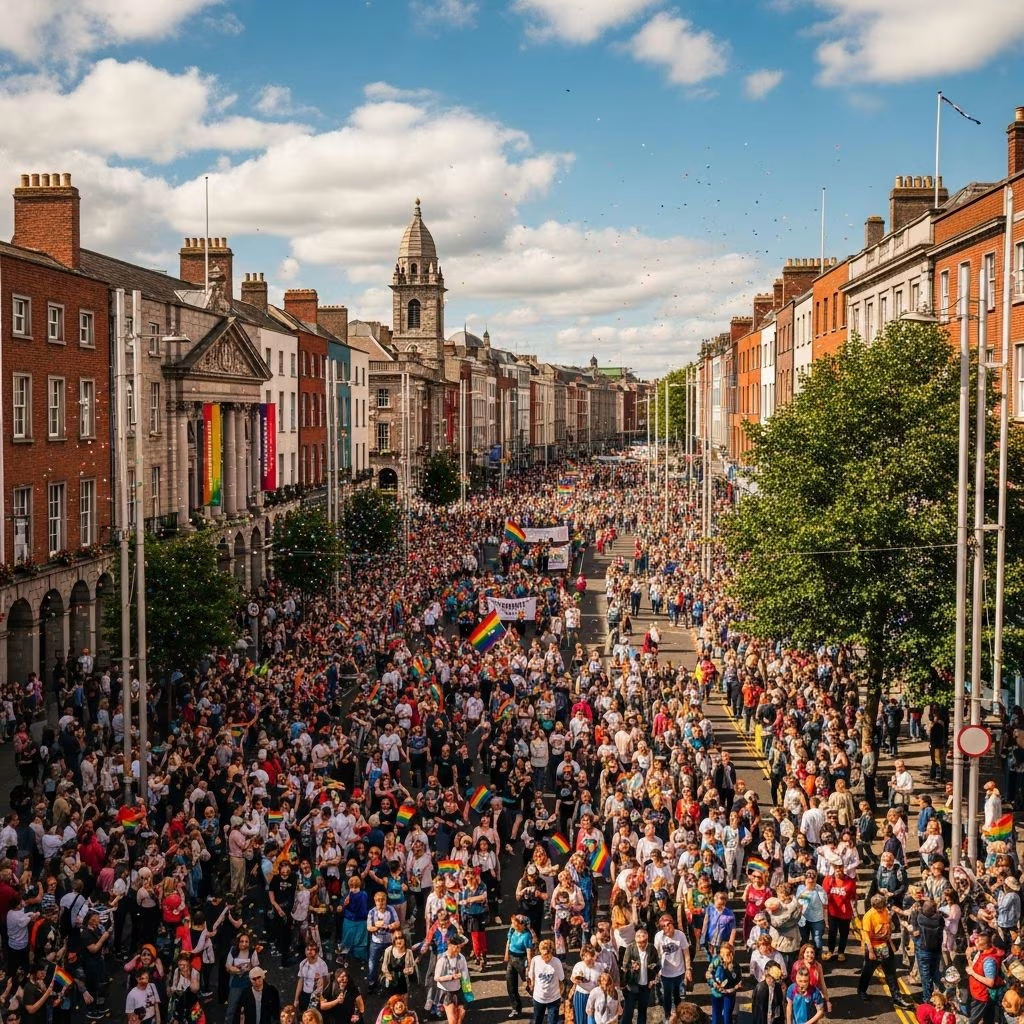
Today, Dublin Pride spans multiple days with parades, workshops, film screenings, parties, and cultural shows. The main parade starts at O’Connell Street, while specialized marches like the Trans and Intersex Pride event head to Dáil Éireann.
Visitors encounter a kaleidoscope of colors, music, and solidarity. The parade features extravagant floats, drag performers, community groups, and international allies winding through city streets. Post-parade festivities in Merrion Square include live music, food stalls, and family zones.
Dublin’s Temple Bar and Smithfield buzz during Pride. Historic spots like the Crossroads SC bar hosted early meetups, while modern hubs like Pantibar offer drag bingo and rooftop views. Merrion Square’s post-parade rally provides picnic space amid Georgian architecture.
| Venue | Highlight | Why Visit During Pride |
|---|---|---|
| Merrion Square | Post-parade rally | Free concerts, food trucks, relaxed atmosphere |
| O’Connell Street | Parade start | Prime viewing, street performers |
| Temple Bar | Pub crawls & parties | Queer nightlife, live DJs |
| George Nightclub | After-parties | Iconic gay club with themed nights |
Its endurance—one of Europe’s oldest—mirrors Ireland’s arc from criminalization to trailblazing equality laws. Pride here blends raw activism with exuberant fun, attracting 50,000+ annually from Ireland and abroad. For travelers, it offers authentic immersion in a city where rainbows adorn pubs year-round.
Key legislative wins amplify its significance: Norris’s 1988 European ruling led to 1993 decriminalization; 2015 marriage equality; and ongoing gender recognition reforms.
Typically late June, check dublipride.ie for dates. Book accommodations early—options range from airport hotels like Carlton Dublin Airport to city-center stays. Public transport shines; Luas trams and buses handle crowds efficiently.
Safety is prioritized with visible Gardaí presence and community marshals.
Usually last Saturday of June; confirm via official channels for exact dates.
Yes, daytime events include kid zones; evenings skew adult-oriented.
Visit the official site for marshal, float, or performer sign-ups.
Expect mild temps (15-20°C) but pack rain gear—Irish summer showers are common.
Parade routes accommodate wheelchairs; many venues have ramps.
Beyond parties, Dublin Pride educates on ongoing fights for trans rights and against hate crimes. Activists like Tonie Walsh recount 40 years of milestones, from Fairview Park vigils to Merrion Square triumphs. It inspires global visitors, showcasing Ireland’s progress while reminding of unfinished work.
