

 Travel Essentials
 Travel Essentials

Complete travel preparation guide covering duration, accommodation, cultural etiquette, transportation, and insider tips for first-time Dublin visitors.
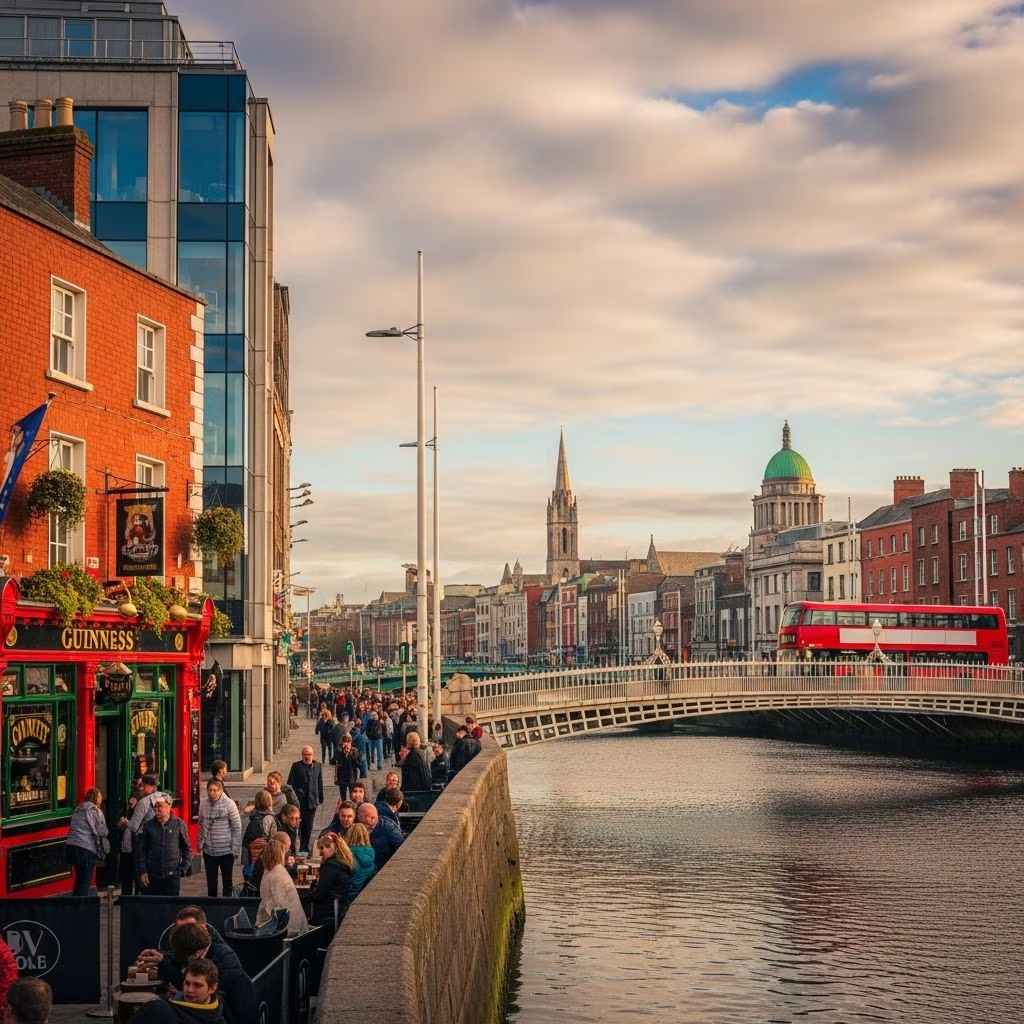 Travel Essentials
Dublin, Ireland’s dynamic capital, presents a fascinating blend of medieval history, literary heritage, and contemporary urban energy. Whether you’re visiting for the first time or returning to explore deeper, understanding the fundamentals of Dublin travel ensures a more rewarding experience. This comprehensive guide addresses the practical and cultural considerations that will enhance your journey through one of Europe’s most welcoming cities.
The question of duration is fundamental to any Dublin itinerary. Unlike larger European capitals, Dublin’s core attractions concentrate within a relatively compact geography, yet the city rewards extended exploration with layers of discovery that reveal themselves gradually.
A minimum three-day visit provides the foundation for meaningful engagement with Dublin’s essential offerings. During this timeframe, you can dedicate one full day to institutional landmarks that define the city’s character. Trinity College, with its historic campus and the celebrated Book of Kells, demands several hours of attention. Simultaneously, the Guinness Storehouse offers both product education and panoramic city perspectives that contextualize Dublin’s physical layout and commercial heritage.
A second day should focus on the city’s museum landscape and secondary attractions. The Chester Beatty Library showcases extraordinary manuscript collections with minimal crowds compared to mainstream tourist venues. The National Museum of Ireland maintains multiple locations, with the archaeology branch providing the most compelling narrative of Irish civilization’s development. The Little Museum of Dublin, though modest in scale, delivers concentrated cultural insights through intimate storytelling about the city’s 20th-century transformation.
The third day accommodates Dublin’s spiritual architecture and whiskey heritage. The city’s two iconic cathedrals—Saint Patrick’s Cathedral and Christ Church Cathedral—embody centuries of religious and social significance. Dublin’s whiskey distilleries have expanded beyond historical production to become experiential destinations, offering tastings and production insights that appeal to both enthusiasts and casual learners.
Extended stays of four to six days enable exploration beyond the immediate city center. The northside attractions, including the General Post Office (GPO) with its revolutionary historical significance, and 14 Henrietta Street’s preserved Georgian townhouse interiors, tell stories often overlooked by shorter visits. Coastal day trips to Howth provide maritime perspectives and seafood dining opportunities that contrast with urban experiences.
Dublin’s climate and cultural atmosphere demand thoughtful packing decisions that balance practicality with social appropriateness. The city’s approach to fashion prioritizes comfort and functionality over formality, reflecting Irish cultural values that emphasize substance over appearance.
Weather patterns necessitate layered clothing strategies year-round. Dublin’s temperate maritime climate produces frequent rainfall, unpredictable wind patterns, and limited extreme temperatures. A waterproof jacket suitable for both gentle drizzle and occasional heavy downpours serves as your essential outer layer. Merino wool or quality synthetic base layers provide insulation without bulk, accommodating the city’s variable conditions across single days.
Footwear choices significantly impact your Dublin experience, as the city center is best navigated on foot. Comfortable, waterproof walking shoes with adequate grip on potentially wet cobblestone streets should take priority over fashion considerations. Many Dubliners favor practical athletic-style shoes or waterproof hiking boots that signal pragmatism rather than concern with contemporary style conventions.
The city’s casual cultural ethos means formal business attire is unnecessary unless attending specific evening events. Jeans, comfortable trousers, and casual sweaters represent standard daily wear across diverse age groups and social contexts. If planning restaurant dining at higher-end establishments, smart casual clothing—neat trousers or skirts paired with shirts or blouses—meets expectations without requiring full formal wear.
Successful accommodation arrangements depend on advance planning that accounts for seasonal demand patterns and specific event calendars. Dublin’s tourism volume has intensified significantly, making proactive booking essential for accessing preferred properties and rates.
Visitors planning summer season travel should initiate accommodation searches three months in advance. Peak season (June through August) concentrates tourism flows, limiting availability at mid-range and budget properties. Early booking captures better pricing and selection across neighborhood options, allowing strategic choices about location preferences based on your planned activities.
Low-season travel (November through February, excluding Christmas period) permits more flexible booking timelines. Accommodations can often be secured three weeks before arrival, with better availability enabling location optimization based on specific daily itineraries rather than settling for whatever remains available.
Beyond accommodation, simultaneous advance booking of major attractions with timed entry requirements prevents disappointment. Kilmainham Gaol, a former prison transformed into historical museum, regularly reaches capacity during peak seasons. Booking tickets weeks in advance ensures access to this essential Irish independence history location.
Dublin’s spatial organization revolves around the River Liffey, which divides the city into distinct districts with different characters, amenities, and visitor appeal. Understanding this geographic framework enables efficient movement and appreciation of neighborhood distinctions.
The Southside typically attracts more tourism, concentrating major attractions like Trinity College, Dublin Castle, and the National Museum within walkable distances. This area includes historic neighborhoods such as Portobello with its Georgian architecture and contemporary cafe culture. The Docklands district represents modern Dublin’s transformation of formerly industrial areas into residential and entertainment zones.
The Northside, historically underutilized by international tourists, contains significant cultural institutions and authentic local experiences. The GPO, Abbey Theatre, and numerous independent bookshops, galleries, and music venues reveal Dublin’s creative infrastructure beyond mainstream tourist circuits.
Coastal districts including Sandymount and Clontarf offer respite from central densities, providing seaside walks, quieter residential character, and suburban perspectives on daily Dublin life. Day trips to Howth extend experience to dramatic coastal cliffs and fishing village atmospheres while remaining within 30 minutes of city center via public transport.
Dublin’s food landscape accommodates every budget category and dietary preference, requiring advance planning only for premium experiences. The city maintains 43 Michelin-starred restaurants representing various cuisine styles, each requiring advance reservations sometimes needed weeks beforehand.
Mid-range and casual dining accommodates walk-in customers, though popular establishments experience evening queues during peak tourist seasons. Fish and chips, a cultural staple available from dedicated chip shops and pub menus, represents affordable comfort food maintaining quality standards that surprise many international visitors.
Pub dining offers particularly authentic experiences, with establishments serving substantial meals alongside beverage service. Many pubs maintain food service throughout operational hours, enabling flexible meal timing aligned with exploration schedules rather than restaurant conventional timing.
Dietary requirements receive thoughtful accommodation in contemporary Dublin, with vegetarian, vegan, and allergy-aware options expanding across venue types. Communicating requirements clearly during restaurant booking ensures appropriate preparation.
Dublin’s compact city center and extensive public transportation network eliminate necessity for personal vehicle rental. The walkable core enables exploration without motorized transport, while public systems expand reach beyond central areas with efficiency and affordability.
Walking serves as the primary mobility method for city center navigation. Pedestrian-friendly street networks, manageable distances between attractions, and street-level commercial activity make walking the optimal exploration method.
Public transport extends your reach to attractions like Phoenix Park, Guinness Storehouse, and Kilmainham Gaol positioned beyond comfortable walking range. Dublin’s integrated transport system combines bus, tram (Luas), and rail services with single-payment cards enabling seamless transfers between modes. Daily or multi-day transport passes offer cost advantages for intensive visiting schedules.
Dublin’s famous pub landscape represents far more than alcohol service venues—these establishments function as social centers, gathering spaces, and cultural institutions integral to Irish identity. Understanding pub etiquette and variety enhances social experiences and provides authentic local interaction opportunities.
Historic establishments carry particular significance within Dublin’s cultural narrative. The Brazen Head, operating since 1198, represents Dublin’s oldest continuous pub business. The Long Hall combines historical longevity with architectural beauty, featuring ornate Victorian-era interior design elements that inspire aesthetic appreciation beyond beverage consumption.
Trad sessions—traditional Irish music performances—occur regularly in establishments like The Cobblestone, where skilled musicians perform traditional instruments and songs reflecting Irish cultural heritage. These sessions welcome audience members of any skill level, though participation requires familiarity with traditional melodies.
The city maintains approximately 800 pub establishments spanning various styles from traditional locals serving primarily neighborhood residents to tourist-focused venues emphasizing entertainment. The Temple Bar, though often dismissed by travel experts as overly commercialized, offers live music daily and maintains historical connections to Dublin’s literary scene despite modernization.
Tipping conventions in Irish pubs operate informally, with patrons typically leaving 10-15% gratuity at bar staff discretion rather than mandatory calculation. Staff approaches emphasize hospitality without aggressive service expectations, reflecting cultural values prioritizing authentic interaction over transactional efficiency.
Dublin’s LGBTQ+ community maintains visible presence with established venues, organizations, and annual celebrations reflecting progressive social attitudes within contemporary Irish society. The city’s gay bar scene, anchored by establishments like The George on South Great George’s Street and Pantibar (owned by activist and drag performer Rory O’Neill, known professionally as Panti Bliss), provides welcoming social spaces.
Beyond nightlife venues, diverse community groups organize activities including hiking clubs and sea swimming collectives, enabling social connection beyond bar environments. This inclusive community infrastructure reflects Dublin’s broader cultural shift toward acceptance and celebration of diverse identities.
June’s Dublin Pride Festival represents the city’s second-largest celebration after Saint Patrick’s Day, spanning five days of parades, performances, community events, and cultural programming. August hosts the GAZE International Film Festival featuring LGBTQIA cinema, while May brings the International Gay Theatre Festival showcasing theatrical talent addressing LGBTQ+ themes and experiences.
Understanding Irish cultural values and social conventions enriches interactions with locals and demonstrates respect for host community perspectives. Dublin’s residents appreciate genuine interest in Irish history, culture, and contemporary life, responding warmly to visitors demonstrating effort toward authentic engagement.
Irish conversational culture values wit, storytelling, and philosophical discussion. Locals often engage visitors in extended conversations, appreciating questions about Irish history, literature, music, and contemporary social issues. This conversational openness reflects cultural values emphasizing human connection over transactional efficiency.
The Irish literary tradition commands deep cultural reverence. References to James Joyce, Samuel Beckett, Oscar Wilde, and WB Yeats demonstrate cultural awareness and commonly spark enthusiastic local discussions. The city’s numerous literary landmarks, including locations associated with these writers’ lives and works, provide entry points for meaningful cultural exploration.
Irish humor frequently employs self-deprecation, absurdism, and irony. Visitors who understand Irish communication often employs gentle mockery and exaggeration will better appreciate local interaction styles and avoid misinterpreting critical commentary as hostile rather than affectionate.
