


 Food & Culture
Food & Culture
Dutch Cuisine Guide: Traditional Foods, Cheese, Fries & Fine Dining
Discover the richness of Dutch cuisine, featuring iconic dishes, regional specialties, traditional beverages, and where to find the best culinary experiences across the Netherlands.
 Food & Culture
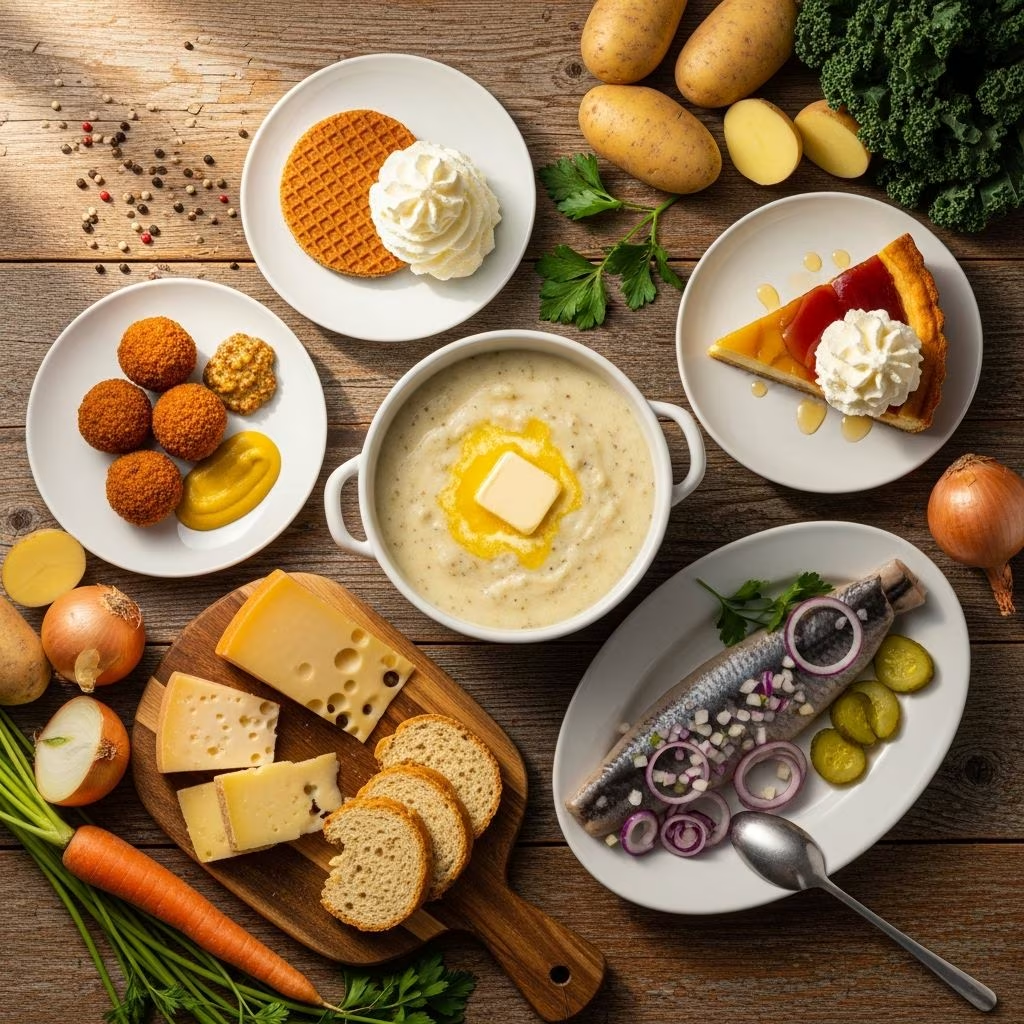
The Netherlands offers a captivating culinary landscape that reflects centuries of agricultural tradition, colonial influences, and innovative modern approaches to food preparation. Dutch cuisine is characterized by hearty, unpretentious cooking that emphasizes fresh ingredients, straightforward techniques, and bold flavors. From bustling street markets to Michelin-starred establishments, the nation’s food culture presents an extraordinary opportunity for visitors to explore the authentic tastes that define Dutch identity and regional heritage.
The Foundation of Dutch Cooking: Historical Context and Ingredient Traditions
Dutch culinary traditions are built upon a foundation of agricultural abundance and geographical positioning. The flat landscape and temperate climate create ideal conditions for cultivating potatoes, root vegetables, and dairy products that form the backbone of traditional cooking. The country’s maritime heritage and colonial past have introduced diverse influences, resulting in a cuisine that balances simplicity with surprising complexity.
The Dutch approach to eating emphasizes efficiency and satisfaction, with meals designed to fuel active lifestyles while providing genuine pleasure. Unlike more elaborate European cuisines, Dutch food prioritizes quality ingredients prepared without excessive ornamentation, allowing natural flavors to shine through. This philosophy extends from casual street food to fine dining, where chefs increasingly celebrate local sourcing and seasonal cooking.
Golden Fried Comfort: The Story of Dutch Fries and Fried Specialties
French fries, known locally as frietjes, represent one of the Netherlands’ most iconic culinary exports. Dutch-style fries differ significantly from their international counterparts—they are cut thicker, fried twice for optimal texture, and typically served in paper cones with wooden forks to maintain cleanliness. The traditional accompaniment is mayonnaise, though contemporary vendors offer creative variations including truffle-infused mayo, curry ketchup, and specialty sauces.
Beyond basic fries, the Dutch have perfected numerous fried delicacies that showcase their mastery of this cooking technique. Bitterballen are small, spherical meat ragout croquettes served piping hot with mustard—a quintessential bar snack that pairs perfectly with beer. Kroketten offer similar comfort in a different form, featuring creamy filling encased in golden breadcrumb coating. Kaasloempias bring Indonesian influence to Dutch snacking culture, consisting of spring rolls filled with melted Gouda cheese, reflecting the country’s colonial heritage.
The preparation of these fried items follows generations of perfected technique. Specialized friethuizen (fry shops) throughout the country maintain secrets passed down through decades, with establishments like Amsterdam’s Vleminckx, operating since 1957, standing as testaments to enduring culinary tradition. These venues range from simple hole-in-the-wall takeaways to contemporary boutique restaurants, democratizing access to this foundational Dutch comfort food.
Cheese Culture: From Markets to Farmstead Experiences
The Netherlands holds an internationally celebrated reputation as a cheese powerhouse, with production and consumption deeply embedded in national identity. Dutch cheese production encompasses numerous varieties, each with distinctive characteristics shaped by regional terroir and production methods. The country’s rolling dairy farms and centuries-old techniques create products recognized and valued throughout the world.
Experiencing Dutch cheese extends beyond supermarket purchases—the tradition encompasses interactive markets, farm visits, and tastings that reveal the artistry behind production. Historic cheese markets in Gouda, Edam, and Alkmaar operate during warmer months, featuring traditional trading ceremonies and enthusiastic crowds gathered to observe and purchase directly from producers. These markets maintain centuries-old customs, offering insight into how cheese commerce has shaped Dutch communities.
For deeper immersion, numerous farmstead operations welcome visitors to observe production processes and sample products at origin. Establishments such as Kaasboerderij Wezenspyk on the island of Texel and Booij Kaasmakers near Rotterdam provide educational experiences combining agricultural tourism with culinary discovery. Market vendors throughout the nation traditionally invite customers to sample before purchasing, reflecting a cultural confidence in product quality and commitment to customer satisfaction.
Pancakes Reimagined: Pannenkoeken as Complete Meals
Pannenkoeken occupy a unique position in Dutch dining culture, functioning as complete meals rather than breakfast staples or desserts. These thin, crepe-style pancakes accommodate both savory and sweet preparations, allowing tremendous culinary versatility. Savory versions might feature cheese, mushrooms, bacon, or fresh vegetables, while sweet renditions incorporate spiced pears, apple compote, or chocolate sauce.
Specialized pancakehouse establishments dedicate their menus entirely to variations of this humble dish, creating remarkably diverse eating experiences. The presentation of pannenkoeken typically features enormous cartwheel-style portions that challenge appetites while delighting diners with theatrical plate presentation. Venues like ‘t Pannenkoekenhuysje Oudt Leyden in Leiden demonstrate the serious approach Dutch culture takes toward this seemingly simple fare.
The cultural importance of pannenkoeken extends beyond nutrition to encompass social dining rituals. These establishments frequently operate in convivial atmospheres encouraging lingering meals, casual conversation, and unhurried enjoyment—values central to Dutch dining philosophy. Whether enjoyed as quick lunch or leisurely dinner, pannenkoeken represent accessible luxury within Dutch cuisine.
Contemporary Gastronomy: The Rise of Modern Dutch Fine Dining
Beyond traditional fare, the Netherlands has emerged as a significant force in European fine dining, with restaurants combining respect for heritage ingredients with innovative preparation methods and sustainability-focused philosophies. Contemporary establishments showcase regional products through creative reinterpretation, earning recognition and accolades across culinary circuits.
Specialized cuisine establishments demonstrate remarkable diversity in approach and philosophy. Het Arsenaal operates within a converted monastery in Doesburg, featuring its own brewery and farm-to-table cooking. De Kas in Amsterdam sources from century-old surrounding glasshouses and gardens, creating literal connection between growing and cooking. Utrecht’s Kasvio embraces storytelling through culinary preparation, while Nijmegen’s De Nieuwe Winkel pursues double-Michelin-starred botanical gastronomy entirely through vegan preparation.
These establishments represent a broader movement toward transparency, sustainability, and cultural authenticity in Dutch fine dining. Rather than importing foreign techniques or ingredients, contemporary chefs increasingly celebrate local heritage, seasonal availability, and traditional knowledge—creating distinctive gastronomy that speaks to national identity while achieving international recognition.
Sweet Traditions: Desserts and Bakery Specialties
Dutch dessert traditions reflect the nation’s love of rich, satisfying sweets, with bakeries throughout the country featuring distinctive specialties. Appeltaart represents the quintessential Dutch apple pie, constructed from brown-sugar shortcrust pastry filled with cinnamon-spiced apples, creating layers of flavor and texture. Spekkoek, a layered spice cake reflecting Indonesian influence, showcases the complexity possible within traditional Dutch baking.
Poffertjes, miniature pancakes dusted with powdered sugar, offer casual sweet enjoyment, while oliebollen—deep-fried dough balls—emerge as seasonal Christmas favorites sold at market stalls throughout the nation. These seasonal treats maintain cultural significance, with families and communities gathering around familiar sweets as part of festive traditions.
Lesser-known desserts include hangop, a thick, creamy strained yogurt served with fruit compote, offering lighter refreshment alongside heavier traditional sweets. Contemporary establishments honor traditional recipes while occasionally reimagining presentation—notably, Spijshuis de Dis in Delft serves semolina pudding with brandied raisins or apricots presented in a wooden clog, combining culinary tradition with theatrical cultural references.
Beverage Culture: Beer, Spirits, and Coffee Traditions
The Netherlands maintains an exceptional beverage culture spanning beer, spirits, and coffee, with each category demonstrating distinctive characteristics and deep cultural significance. Beer holds particular importance, with production tracing to medieval monastery traditions and evolving into a sophisticated contemporary craft industry. Iconic brands like Grolsch (established 1615) and Heineken (founded 1845) represent international recognition, while Trappist abbey beers showcase monastic brewing traditions.
The contemporary craft beer movement has explosively expanded Dutch brewing culture, with more than 900 active breweries currently operating throughout the nation, from small-batch operations to established producers. This remarkable proliferation allows visitors to explore regional brewing philosophies, experimental ingredient combinations, and traditional techniques maintained across generations.
Borrel (drinks) culture centers on social gathering, with borrelhapjes (bar snacks) accompanying beverages in casual and festive settings. This tradition emphasizes convivial sharing, with small fried delicacies and cheese selections encouraging extended social interaction and leisurely consumption.
Jenever, a traditional Dutch spirit flavored with juniper berries and botanicals, presents an alternative to beer for those seeking stronger libations. This spirit exists in two primary forms: oude (old) featuring stronger juniper and malt notes, and jonge (young) offering milder, more approachable flavor profiles. Historic tasting rooms called proeflokalen provide atmospheric settings for exploring jenever and complementary liqueurs, herbal bitters, and fruit distillates.
Dutch coffee consumption significantly exceeds European averages, with citizens consuming over 150 liters per person annually. Coffee is enjoyed both black and prepared with milk in numerous variations, often accompanied by substantial sweets—establishing a daily ritual combining caffeine with indulgence.
Regional and Seasonal Specialties: Geographic Diversity of Dutch Cuisine
Dutch culinary traditions extend beyond nationally recognized dishes to encompass regional specialties reflecting local ingredients, historical influences, and community preferences. Coastal regions emphasize fish and seafood preparations, while inland agricultural areas celebrate dairy and produce-focused dishes. This geographic diversity ensures that culinary tourism throughout the nation reveals consistently different local expressions and community pride.
Market culture represents a vital component of Dutch food discovery, with seasonal stalls offering bakery favorites including speculaas (spiced cookies) and regional confectionery items. These markets function as cultural gathering spaces where locals and visitors alike connect with producers, sample products, and maintain traditions through direct exchange.
Seasonal consciousness pervades Dutch eating culture, with specific foods emerging during particular months, creating natural rhythm to culinary life. Christmas brings oliebollen and specialized treats, while warmer months feature fresh produce-focused preparations and lighter dishes suited to pleasant weather.
Where to Experience Dutch Food Culture
Amsterdam offers concentrated opportunities for culinary exploration, from historic brown cafés (bruin cafés) like canalside Café Papeneiland providing gezelligheid (conviviality and coziness) to specialized restaurants celebrating innovative approaches. The capital’s established reputation as tourism hub ensures professional service and diverse price points accommodating various budgets.
Smaller towns and regions throughout the nation provide authentic experiences less filtered through tourism infrastructure. Places like Leiden, Nijmegen, Rotterdam, and Den Haag feature distinctive culinary personalities reflecting local food traditions, regional ingredients, and community identity. Exploring beyond major cities reveals how Dutch cuisine maintains vitality through genuine daily practice rather than tourist-oriented performance.
Markets and street food venues democratize culinary access, offering authentic experiences without requiring advance reservations or substantial financial commitment. Observing locals making food choices, sampling alongside community members, and purchasing directly from vendors creates immersive cultural understanding impossible within formal restaurant contexts.
Frequently Asked Questions About Dutch Cuisine
What is the most iconic Dutch food?
While multiple dishes claim cultural significance, French fries (frietjes) and cheese represent the most internationally recognized Dutch foods. However, within the Netherlands, pannenkoeken, bitterballen, and herring maintain equal or greater cultural importance as everyday foods central to national identity.
Is Dutch cuisine difficult for visitors with dietary restrictions?
Contemporary Netherlands, particularly in urban centers, accommodates diverse dietary requirements well. The rise of vegetarian and vegan-focused establishments means plant-based visitors find excellent options. Celiac and allergy accommodations are generally available at restaurants, though communication with staff is essential.
What beverages best pair with traditional Dutch foods?
Beer represents the quintessential pairing with Dutch cuisine, particularly fried and cheese-based dishes. Jenever works well with heavier preparations, while coffee complements desserts. Dutch coffee culture emphasizes quality preparation rather than specific bean origins.
How do portions compare to other European nations?
Dutch portions tend toward generous sizing, reflecting historical emphasis on fueling active agricultural work. Contemporary restaurants often maintain this tradition, though fine dining establishments may employ more restrained portions.
What is the best time to visit Dutch cheese markets?
Historic markets in Gouda, Edam, and Alkmaar operate primarily during warmer months, typically May through September, though specific dates vary annually. Summer visits ensure largest selections and most festive market atmospheres.
Conclusion: Dutch Food as Cultural Expression
Dutch cuisine reflects national character—unpretentious, efficient, quality-conscious, and fundamentally communal. From simplest street food to award-winning gastronomy, Netherlands food culture celebrates straightforward pleasures while maintaining commitment to ingredient quality and ethical production. Exploring Dutch culinary traditions offers visitors profound insight into how geography, history, and values shape the foods communities create and cherish across generations.
References
- What to eat and drink in the Netherlands — Lonely Planet. Accessed April 2026. https://www.lonelyplanet.com/articles/what-to-eat-and-drink-in-the-netherlands
- Things to eat in the Netherlands, local cuisine and specialities — LOT Polish Airlines. Accessed April 2026. https://www.lot.com/us/en/explore/inspirations/blog/netherlands-food
- Traditional Dutch Foods and Drinks to Try in The Netherlands — Sometimes Home. Accessed April 2026. https://sometimeshome.com/traditional-dutch-foods-drinks-try-the-netherlands/
On This Page
The Foundation of Dutch Cooking: Historical Context and Ingredient Traditions Golden Fried Comfort: The Story of Dutch Fries and Fried Specialties Cheese Culture: From Markets to Farmstead Experiences Pancakes Reimagined: Pannenkoeken as Complete Meals Contemporary Gastronomy: The Rise of Modern Dutch Fine Dining Sweet Traditions: Desserts and Bakery Specialties Beverage Culture: Beer, Spirits, and Coffee Traditions Regional and Seasonal Specialties: Geographic Diversity of Dutch Cuisine Where to Experience Dutch Food Culture Frequently Asked Questions About Dutch Cuisine Conclusion: Dutch Food as Cultural Expression← Previous
Ultimate Switzerland Road Trip Guide: Scenic Alpine Drives
Next →
Best Things to Do in Nova Scotia: Tides, Trails & Coastal Adventures
Related Reading
More in Food & Culture
Food & Culture Food & Culture
 Food & Culture
Best Places to Eat in Rome: Neighborhood Dining Guide
 Food & Culture
 Food & Culture