

 Travel Essentials
 Travel Essentials

Comprehensive guide to East Africa covering safari options, top destinations in Kenya, Tanzania, Uganda, visa requirements, and travel planning tips.
 Travel Essentials
East Africa stands as one of the world’s most captivating travel destinations, offering an unparalleled combination of extraordinary wildlife, dramatic landscapes, and vibrant cultural traditions. The region encompasses some of Africa’s most renowned destinations, each with its own distinctive character and appeal. Whether you’re seeking thrilling wildlife encounters, mountain adventures, or cultural immersion, East Africa delivers experiences that resonate long after your journey concludes.
East Africa represents a truly diverse region characterized by remarkable contrasts. The landscape transitions from sprawling savannas and dense forests to towering mountains and pristine lakes. The area is home to multiple ethnic communities, each contributing unique traditions, languages, and cultural practices that enrich the travel experience. Modern urban centers coexist alongside traditional rural villages, creating a dynamic environment where contemporary and ancestral ways of life intersect.
The region’s natural environment encompasses dramatic geological formations, including the Great Rift Valley, which creates some of Africa’s most stunning scenery. From the snow-capped peaks of Mount Kilimanjaro to the turquoise waters of Lake Victoria, East Africa’s geographical diversity ensures that every traveler finds something to captivate their imagination.
Organizing your safari adventure in East Africa requires understanding the various transportation and tour arrangements available. Most travelers opt for guided safari experiences, which can be tailored to different preferences and budgets.
Safari options include:
Many self-drive safari vehicles come equipped with rooftop tents or camping equipment, allowing you to sleep under the stars while maintaining independence. Budget considerations for multi-day, mid-range safaris typically range from $300 to $600 per person daily, though prices vary significantly based on accommodation choices and park fees.
Kenya functions as East Africa’s primary tourist entry point, renowned for its exceptional wildlife concentrations and well-developed tourism infrastructure. The country’s southeastern region, known as classic safari territory, contains three premier national parks: Amboseli, Tsavo East, and Tsavo West. These parks rank among Kenya’s finest, offering visitors concentrated opportunities to observe the continent’s most iconic fauna.
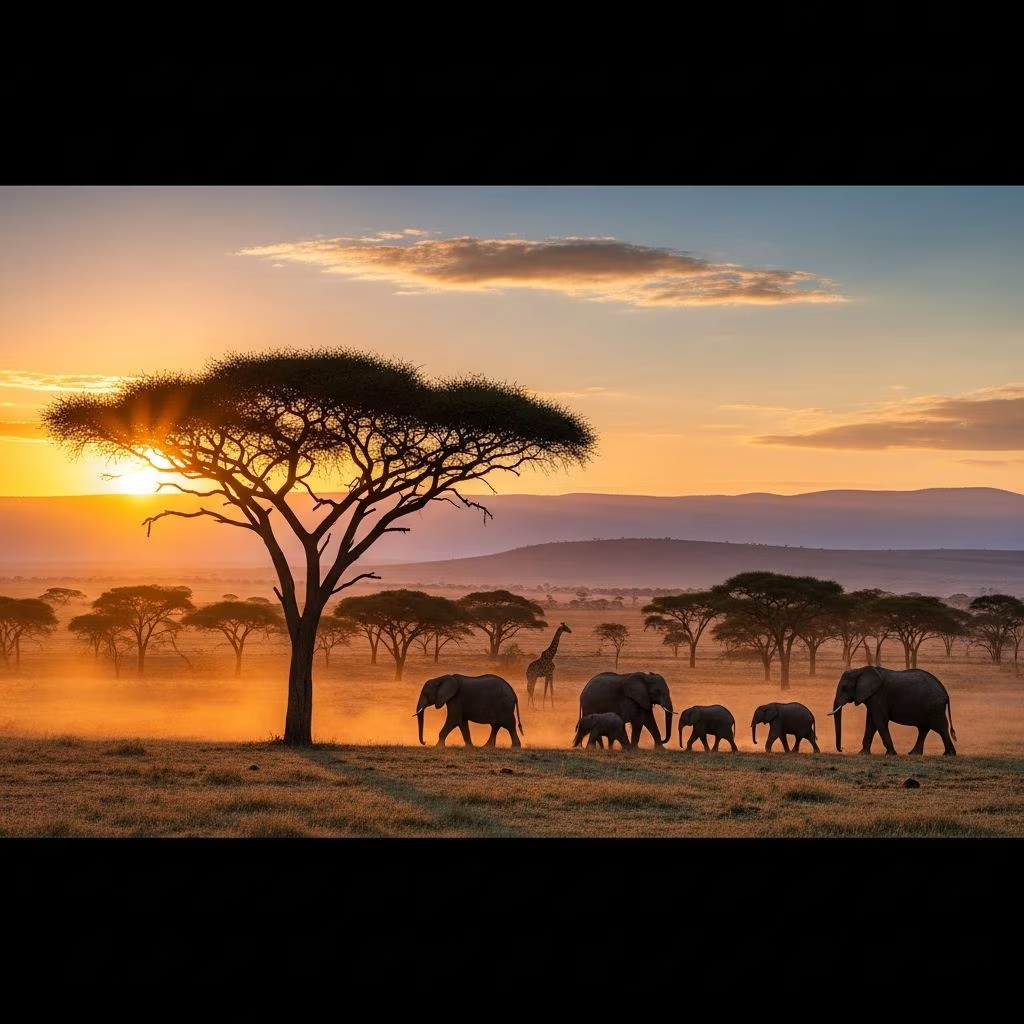
Amboseli National Park deserves particular attention for visitors seeking elephant experiences. Located in Maasailand, Amboseli hosts one of Kenya’s highest elephant densities, creating the possibility of witnessing long-tusked elephants against the dramatic backdrop of Mount Kilimanjaro. Though Kilimanjaro technically lies in Tanzania, the mountain’s most photogenic views occur from the Kenyan side of the border.
Northern Kenya presents an entirely different character. The region transitions toward desert landscapes, inhabited by nomadic communities adapted to harsh conditions, particularly around Lake Turkana. Before venturing into Kenya’s remote north, visitors often explore the more accessible reserves of Samburu, Buffalo Springs, and Shaba, which rank among Kenya’s most rewarding compact parks.
Kenya’s infrastructure includes modern accommodations, well-maintained roads, and diverse attractions beyond safaris. The capital city of Nairobi offers museums, shopping districts, and cultural venues for travelers seeking urban experiences between wildlife adventures.
Tanzania showcases East Africa’s most spectacular natural monuments and wildlife phenomena. The Serengeti National Park commands attention as the stage for the annual wildebeest migration, one of nature’s most dramatic spectacles. This circular movement of millions of animals across the Serengeti and Kenya’s Maasai Mara represents an unparalleled wildlife event that attracts travelers globally.
The Ngorongoro Crater stands as a UNESCO World Heritage Site containing an entire ecosystem within its volcanic bowl, offering concentrated wildlife viewing opportunities. Mount Kilimanjaro, Africa’s highest peak, draws climbers from worldwide despite its challenging altitude and weather conditions. Multiple climbing routes exist, each offering different experiences and difficulty levels.
Tanzania’s coastal regions provide counterbalance to safari adventures. Zanzibar combines tropical beaches with historical Swahili culture, offering visitors opportunities for relaxation and cultural exploration following inland adventures. The island’s historical significance and unique architecture make it an important cultural destination.
Uganda earns recognition as the “Pearl of Africa” through its unique focus on primate encounters unavailable elsewhere in the region. Bwindi Impenetrable Forest offers mountain gorilla trekking experiences, providing intimate encounters with these endangered primates in their natural habitat. The forest’s nickname reflects both its dense vegetation and the challenging but rewarding trekking experience.
Beyond gorilla tracking, Uganda provides chimpanzee tracking opportunities in Kibale, allowing visitors to observe these highly intelligent primates in their social groups. Queen Elizabeth National Park and Murchison Falls National Park deliver traditional safari experiences featuring diverse wildlife species across varied ecosystems. The parks showcase tree-climbing lions and dramatic waterfall scenery unique to Uganda.
Uganda’s scenic lakes, including Lake Victoria and the serene Lake Bunyonyi, enhance outdoor adventure opportunities while providing peaceful alternatives to wildlife-focused activities.
Traveling to East Africa requires understanding each country’s entry documentation requirements. Most East African nations mandate either a visa or electronic travel authorization for foreign nationals, though processes vary by country.
Individual country visa options include:
The East Africa Tourist Visa (EATV) provides efficient multi-country access for visitors planning to visit Kenya, Uganda, and Rwanda simultaneously. This visa costs $100 and permits multiple entries across the three countries for 90 days, though Tanzania remains excluded and requires separate documentation. Importantly, travelers must enter through the country that issued the visa first.
Consulting with healthcare providers before travel ensures appropriate vaccinations and preventative medications. Malaria prophylaxis recommendations vary by specific regions and seasons, requiring individualized medical consultation. Comprehensive travel insurance covering evacuation and emergency medical care provides essential protection in remote areas where advanced medical facilities may be distant.
East Africa’s varied climates and activities demand thoughtful packing strategies. Lightweight, breathable clothing suits daytime heat, while warmer layers address cool evening temperatures in elevated regions. Safari activities require sturdy footwear capable of handling uneven terrain and dusty conditions.
Essential items include:
Respectful engagement with local communities enriches travel experiences while demonstrating cultural sensitivity. Many East African cultures prioritize greeting elders first, acknowledging their social status and wisdom. Modest dress, particularly in rural areas and religious settings, shows respect for local values.
Visitors should approach cultural interactions with genuine curiosity rather than expectation. Learning basic greetings in local languages demonstrates respect, even when English communication proves practical. Asking permission before photographing individuals honors personal dignity and cultural sensitivities. Supporting local artisans through fair-trade purchases provides economic benefits to communities while acquiring authentic souvenirs.
Game drives constitute the primary wildlife viewing method throughout East Africa’s protected areas. Visitors typically travel in four-wheel-drive vehicles, either open-air or closed-top models, designed for off-road navigation and optimal animal observation. These vehicles provide safe vantage points for viewing lions, elephants, buffalo, and countless other species across diverse habitats including woodlands, savannas, rivers, and lakes.
East African parks showcase the African Big Five—lions, leopards, rhinoceros, elephants, and buffalo—though viewing depends on seasonal movements and species distribution. Beyond these iconic animals, visitors encounter hippo pods, explore geological formations, and discover wild dog dens in specialized habitats. Professional guides enhance experiences through species identification, behavioral explanation, and knowledge of animal movement patterns.
Many travelers combine safari experiences with complementary activities. Pairing Serengeti safaris with Zanzibar beach holidays offers transition from wildlife intensity to coastal relaxation. This combination structure allows travelers to experience Africa’s diverse offerings within single journeys.
Mountain trekking activities, particularly Kilimanjaro ascents, integrate into comprehensive itineraries. Different climbing routes accommodate various fitness levels and timeframes, from the relatively accessible Marangu route featuring dormitory hut accommodations to more scenic routes requiring tent camping and longer acclimatization periods.
East Africa’s tropical and subtropical climate creates distinct seasonal variations affecting wildlife behavior and accessibility. The Great Migration’s timing depends on seasonal precipitation patterns, with annual cycles predictable within general timeframes. Rainy seasons affect road conditions and park accessibility, particularly in remote regions. Dry seasons typically offer optimal game viewing due to animal concentration around water sources and improved visibility through thinned vegetation.
Travel costs in East Africa vary dramatically based on accommodation choices, safari type, and activity preferences. Budget options with basic ground tent camping provide affordable entry points, while luxury all-inclusive safaris offer unlimited comforts. Mid-range safaris typically cost $300-600 per person daily, though this varies by park, season, and specific services included.
Park entry fees, guide gratuities, and meals outside package inclusions represent additional costs requiring advance budgeting. Visa fees contribute to overall expenses, with individual country visas or multi-country passes affecting total pre-travel costs.
Planning an East African adventure requires balancing wildlife experiences, cultural engagement, practical logistics, and personal preferences. Whether prioritizing mountain climbing, primate encounters, safari wildlife viewing, or coastal relaxation, East Africa accommodates diverse travel objectives within a single region. The combination of natural wonders, cultural richness, and varied activities ensures that visitors depart with transformative memories and deepened appreciation for Africa’s extraordinary character.
