

 Travel Essentials
 Travel Essentials

A comprehensive guide to visiting Easter Island, covering logistics, guided tours, archaeological sites, hiking adventures, and practical travel tips for explorers.
 Travel Essentials
Easter Island, known locally as Rapa Nui, stands as one of the world’s most remote and culturally significant destinations. Located in the southeastern Pacific Ocean, approximately 2,200 miles from Chile’s coast, this Polynesian island offers visitors an unparalleled journey into ancient civilization and natural wonder. The island encompasses approximately 63 square miles and serves as home to remarkable archaeological treasures and a living culture that has endured for over 1,500 years. Planning a visit to this extraordinary location requires understanding the unique logistics and opportunities that shape the island experience.
Selecting the ideal time to explore Rapa Nui involves considering climate patterns, crowd levels, and event availability. The shoulder seasons of spring (October through December) and autumn (April through June) present optimal conditions for most travelers. During these periods, temperatures remain pleasant, rainfall stays moderate, and tourist density avoids both extreme peaks and off-season limitations. The high season from January through March attracts larger visitor numbers while coinciding with summer conditions in the Southern Hemisphere. Weather patterns shift throughout the year, with winter months (July and August) bringing cooler temperatures and increased precipitation. Travelers seeking cultural events and outdoor activities should research local celebrations and festivals that may align with their travel dates.
Visiting Rapa Nui requires completing specific administrative procedures before departure. All travelers must complete the Rapa Nui Entry Form no fewer than 48 hours prior to travel, regardless of nationality. Documentation requirements include:
These requirements ensure proper tracking of visitor numbers and facilitate smooth immigration processing upon arrival. Many travelers coordinate these requirements simultaneously with flight and accommodation bookings to streamline the preparation process.
Approximately 90% of Rapa Nui’s historical sites require guided access, making professional tour operators integral to any comprehensive island experience. This requirement reflects the island’s commitment to archaeological preservation and cultural protection. Private guided tours represent the standard approach for most visitors, with tours available both as full-day experiences and multi-day packages. The typical itinerary for a guided tour encompasses:
Knowledgeable guides provide irreplaceable context regarding the island’s pre-Columbian history, Moai construction techniques, and contemporary Rapa Nui culture. The investment in quality guides significantly enhances understanding and appreciation of the archaeological landscape. Booking guides well in advance ensures availability and allows time for tour customization based on specific interests.
Hanga Roa functions as Rapa Nui’s sole municipality and serves as the operational base for virtually all visitors. The town centers around two primary streets: Atamu Tekena, which contains the majority of dining establishments and retail shops, and Te Pito o te Henua, recognizable by its prominent church structure at the intersection’s highest point. The market area occupies the heart of town and provides access to local goods and cultural products. Accommodation options range from budget-conscious cabanas to upscale resort facilities, with availability fluctuating based on seasonal demand. Most locations within Hanga Roa remain accessible via walking, with taxi services available at modest rates for those preferring motorized transport.
Visitors face two primary options for exploring sites distributed across Rapa Nui’s landscape. Rental vehicle options provide maximum independence and flexibility, though road conditions warrant careful consideration. The island’s limited roadway network features significant surface deterioration, including numerous potholes and rough patches that can challenge vehicle suspension systems. Most experienced travelers recommend renting four-wheel-drive vehicles such as Jeeps or trucks to navigate terrain effectively. Important considerations for vehicle rental include:
Alternatively, guided tour packages eliminate driving concerns by providing professional transportation alongside expert commentary. Taxi services operate throughout Hanga Roa but primarily serve local movement within town rather than extended archaeological site visits.
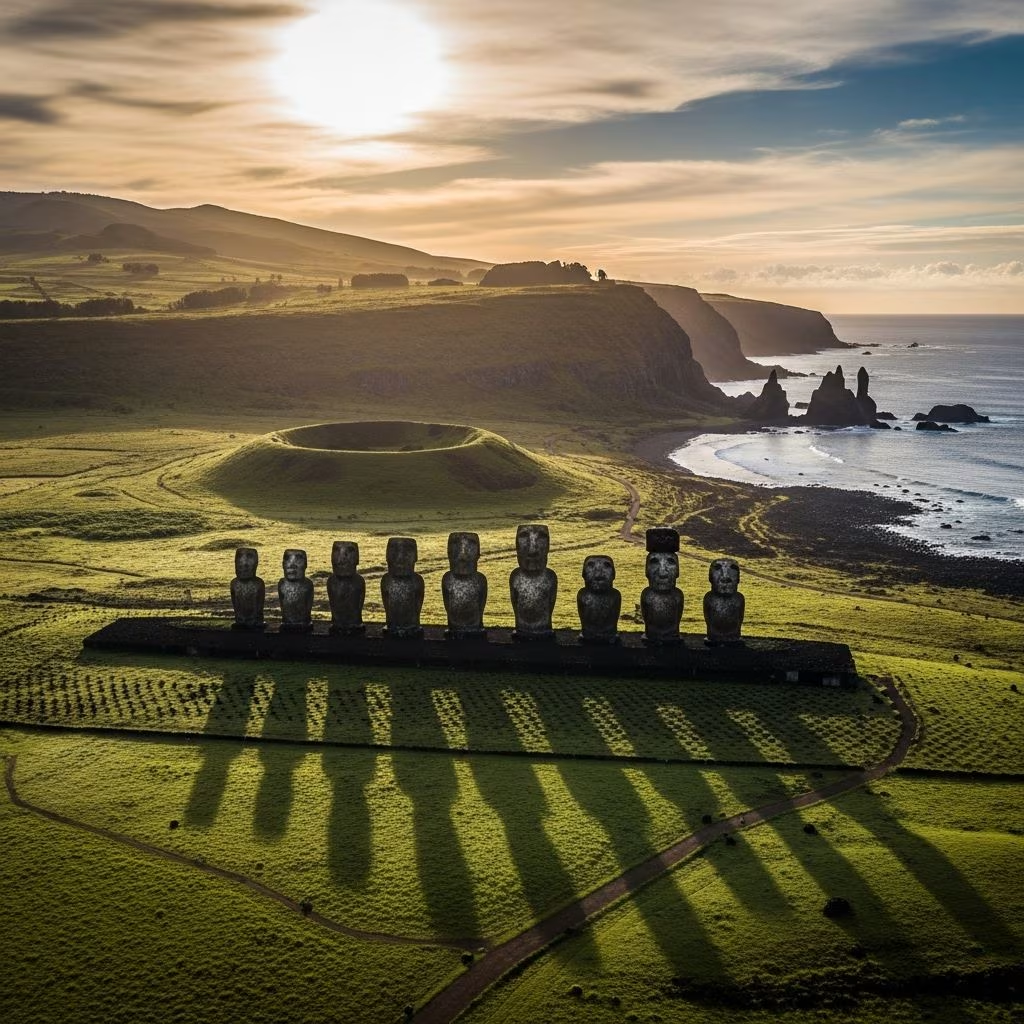
The island’s archaeological treasures encompass multiple distinct site categories, each revealing different aspects of Rapa Nui’s complex history. Ahu Tongariki represents the island’s largest ceremonial platform and provides particularly stunning visual impact during sunrise hours. The eastern vantage point captures dramatic lighting conditions as dawn breaks across the Pacific Ocean, creating memorable photographic opportunities alongside spiritual atmosphere. Rano Raraku functions as the primary Moai quarry, where visitors observe carving sites and partially completed statuary scattered across volcanic slopes. The quarry reveals construction techniques and abandonment circumstances that shaped the island’s archaeological narrative.
Papa Vaki demonstrates the island’s petroglyph artistry, featuring elaborate rock carvings depicting marine life including tuna, sharks, and octopuses. The largest petroglyph, a 12-meter canoe representation, stands as a testament to the artistic precision achieved with ancient tools. Ahu Akivi presents astronomical significance through its spring and autumn equinox star alignments, demonstrating sophisticated environmental observation among pre-contact inhabitants. Ana Kai Tanata offers coastal cave access and swimming opportunities, combining archaeological interest with recreational benefits.
Rapa Nui’s compact size paradoxically offers extensive hiking opportunities ranging from brief excursions to challenging full-day treks. Mauna Terevaka, the island’s highest point at 507 meters elevation, provides comprehensive panoramic views encompassing the entire island and surrounding seascape. The ascent from Ahu Akivi typically requires approximately 1.5 hours upward travel, with an additional hour for descent. Alternative routes from Vaitea provide varied approaches to the summit experience.
The northern coast trek traverses the island’s most dramatic landscape and extends approximately seven hours in duration. This route remains accessible exclusively on foot, traversing volcanic formations and archaeological features while descending to Anakena Beach. The journey combines strenuous physical activity with immersive nature exposure and historical observation. The Rano Kau crater rim walk offers a more moderate three-hour experience, concluding at Vai Atare with expansive vistas of distant islets framing the coastal horizon. The Poike volcanic exploration presents approximately five-hour duration, accessing the island’s oldest volcanic formation and associated archaeological caves including Ana O Keke.
While self-guided hiking across Terevaka remains feasible given the island’s limited size and minimal disorientation risk, guided expeditions to the north coast and Poike regions provide invaluable context regarding hidden archaeological features and cave systems that independent travelers might easily overlook. Professional guides identify subtle cultural markers and geological formations that enhance understanding throughout the walking experience.
Contemporary Rapa Nui culture maintains connection to pre-contact traditions while incorporating modern global influences. Cultural performances including traditional dance and music events provide visitors opportunities to experience living heritage. The Kari Kari Ballet presents performances incorporating traditional Rapa Nui choreography and storytelling narratives. Local markets showcase handcrafted items, traditional artwork, and cultural products created by island artisans. Dining establishments throughout Hanga Roa serve both international cuisine and local specialties incorporating fresh seafood and island-grown produce. Visitor engagement with contemporary cultural practices alongside archaeological exploration creates comprehensive understanding of the island’s continuous human story.
Currency and Financial Services: Visitors should arrange appropriate currency for island activities, as remote location limits banking infrastructure and creates elevated transaction costs. Chilean pesos facilitate most transactions, with limited ATM availability.
Health and Safety: The island maintains basic medical facilities, with serious medical cases requiring evacuation to mainland Chile. Travelers should obtain comprehensive travel insurance covering potential emergency evacuation. Pharmacy services stock common medications, though specific prescriptions may require advance arrangement.
Weather Preparedness: Despite equatorial latitude, Rapa Nui experiences variable weather requiring layered clothing options. Rain can occur suddenly, and coastal winds create cooling effects despite mild temperatures. Sunscreen application remains essential given strong ultraviolet radiation and limited shade during archaeological site visits.
Time Requirements: Comprehensive island exploration requires minimum four-day commitment, though extended stays provide enhanced flexibility for weather contingencies and unhurried site observation. Two days of guided touring establish foundational archaeological and cultural knowledge, with remaining time allocated to personal interest exploration and relaxation.
Yes, registered guides are required to access approximately 90% of Rapa Nui’s archaeological sites, with limited exceptions including Tahai and Anakena. This regulation protects archaeological resources and ensures visitor safety while supporting local employment.
Vehicle rental offers maximum flexibility, though challenging road conditions necessitate careful operation and preferably four-wheel-drive vehicles. Guided tours eliminate driving concerns while providing professional expertise, making them preferable for travelers uncomfortable with unfamiliar road conditions.
Advance booking is strongly recommended, particularly for guide services and accommodations during peak seasons. Early reservation ensures availability and allows tour customization aligned with specific interests and scheduling preferences.
Activities range from leisurely archaeological site visits accessible to most fitness levels to challenging multi-hour hikes requiring sustained physical exertion. Visitors can customize their itinerary to match personal capabilities.
Essential items include sunscreen, layered clothing, weatherproof outerwear, comfortable hiking footwear, and appropriate medications. The remote location and limited retail options make advance packing particularly important.
