

 Travel Essentials
 Travel Essentials

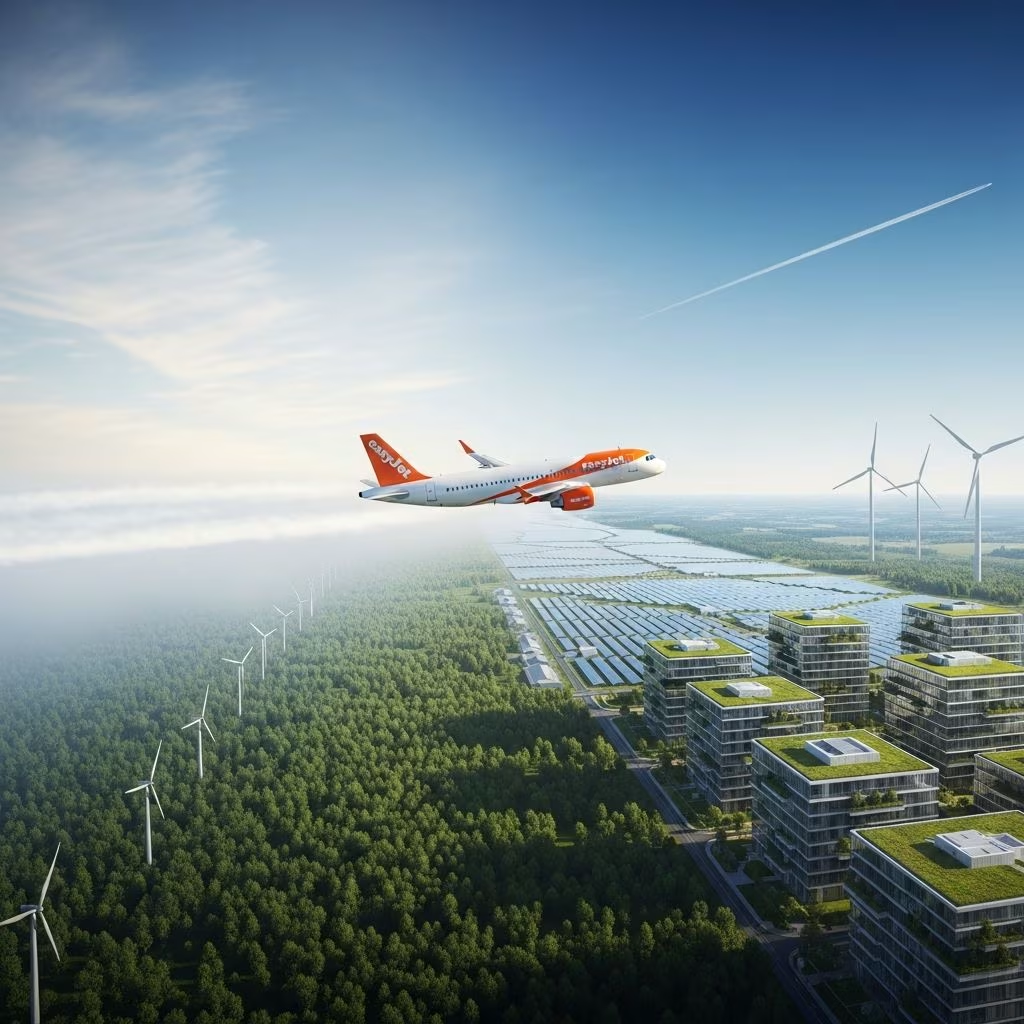
EasyJet is replacing carbon offsetting with direct emissions cuts, SAF, and zero-emission tech on a science-backed path to net zero by 2050.
 Travel Essentials
EasyJet, a leading low-cost carrier in Europe, has made headlines by moving away from traditional carbon offsetting toward a comprehensive strategy aimed at net zero emissions by 2050. This shift marks a significant evolution in aviation sustainability, prioritizing direct reductions over compensatory measures.
Carbon offsetting emerged as a popular tool for airlines to address their environmental impact. It involves funding projects like reforestation or renewable energy to counteract emissions produced by flights. EasyJet was a pioneer, becoming the first major airline to offset all flight-related carbon emissions starting in late 2019. This initiative covered fuel emissions for every passenger, investing around £25 million annually and neutralizing nearly 8.7 million tonnes of CO2.
Projects adhered to high standards such as Gold Standard or Verified Carbon Standard, focusing on tree planting and deforestation prevention. One tonne of CO2 offset equates to the same climate impact regardless of source, making it a straightforward metric.
However, experts increasingly view offsetting as an interim solution. It does not reduce aviation emissions directly and faces criticism for greenwashing if not paired with deeper cuts. EasyJet recognized this, announcing in 2022 the phase-out of offsetting for new bookings by December, redirecting funds to in-sector reductions.
Launched in 2022, EasyJet’s net zero pathway targets a 35% reduction in carbon emissions intensity per kilometer by 2035 (from 2019 baseline) and 78% by 2050, with residuals handled via carbon removal. This plan aligns with the Science Based Targets initiative (SBTi), earning validation for its science-backed approach.
The roadmap emphasizes three pillars: reduce, remove, and innovate for zero-emission flight. It reinvests offsetting savings into six key areas, fostering long-term decarbonization.
Sustainable Aviation Fuel (SAF) serves as a transitional fuel, potentially slashing lifecycle emissions by up to 80% compared to fossil fuels. Derived from waste and non-food feedstocks, SAF addresses immediate needs while zero-emission tech develops.
EasyJet partners with Rolls-Royce on hydrogen combustion engines and Airbus on projects for zero-carbon aircraft. Direct Air Carbon Capture and Storage (DACCS) will remove residual CO2; in 2023, they became the first airline to join Airbus’s initiative with 1PointFive.
| Strategy | Targeted Reduction | Timeline |
|---|---|---|
| Fleet Renewal | 13%+ fuel efficiency | Ongoing to 2035 |
| Operational Efficiencies | Variable fuel savings | Immediate rollout |
| Airspace Modernization | 10% | By 2035 |
| SAF | Up to 80% lifecycle | Transitional to 2050 |
| DACCS & Hydrogen | Residual to zero | By 2050 |
Climate specialists applaud EasyJet’s prioritization of reductions over offsets. Tom Gegg of Palladium notes it follows SBTi best practices: account, reduce, then offset residuals only after maximal cuts.
SBTi distinguishes carbon removals (like DACCS, which extracts CO2) from offsets (which avoid emissions). EasyJet’s focus on nascent tech positions it for zero-emission flying, unlike reliance on questionable credits.
Aviation contributes about 2-3% of global CO2, with EasyJet carrying 68 million passengers yearly. Growth pressures demand innovation; current tech limits like battery weight hinder electric planes for long hauls.
SAF production must scale, currently <0.1% of jet fuel. Policy support for mandates and incentives is crucial. EasyJet advocates for these changes.
Previously, offsets were seamless, included in fares without extra cost. Now, sustainability investments continue transparently. Passengers benefit from quieter, efficient flights and progress toward climate-neutral travel.
EasyJet reports annually on progress, maintaining accountability.
It compensated all flight fuel emissions via certified projects like forestry since 2019, costing £25M/year.
To invest directly in reductions per SBTi, as offsets are interim and less effective long-term.
35% emissions intensity cut vs. 2019, validated by SBTi.
Drop-in fuel reducing up to 80% emissions, bridging to hydrogen/electric.
78% intensity reduction plus removals for residuals.
EasyJet’s model influences peers like Ryanair. It demonstrates low-cost carriers can lead sustainability without premium pricing. Investments in hydrogen and DACCS could accelerate sector-wide adoption.
Success hinges on collaboration: governments for airspace/incentives, suppliers for tech/fuel. If achieved, it proves affordable green flying is viable.
