

 Travel Essentials
 Travel Essentials

Learn actionable ways to slash waste while flying: pack light, bring reusables, choose efficient flights, and make eco-conscious decisions at airports and onboard for greener journeys.
 Travel Essentials
Aviation generates massive waste, from single-use plastics to excess fuel burn. Travelers can counter this by adopting habits that lower material discard and carbon output. This guide details strategies across trip phases, drawing from proven practices to make flights greener without hassle.
Selecting the right itinerary cuts emissions and waste at the source. Opt for airlines prioritizing sustainability, like those using biofuels or denser seating for efficiency. Low-cost carriers often excel here, packing more passengers per flight and charging for extras like bags, which trims weight and fuel needs.
Direct flights beat layovers: stopovers spike emissions by up to 35% due to extra taxiing and idling. Tools like flight trackers help spot non-stop options. Airports matter too—some, like those with eco-partners, offer better refill stations and waste sorting.
Excess baggage raises fuel use; every kilogram adds emissions. Challenge yourself to fit everything in carry-on: wear bulkier items on board, layer clothes, and skip duplicates. This saves fees and simplifies movement.
Lighter loads mean agile travel and less laundry waste downstream.
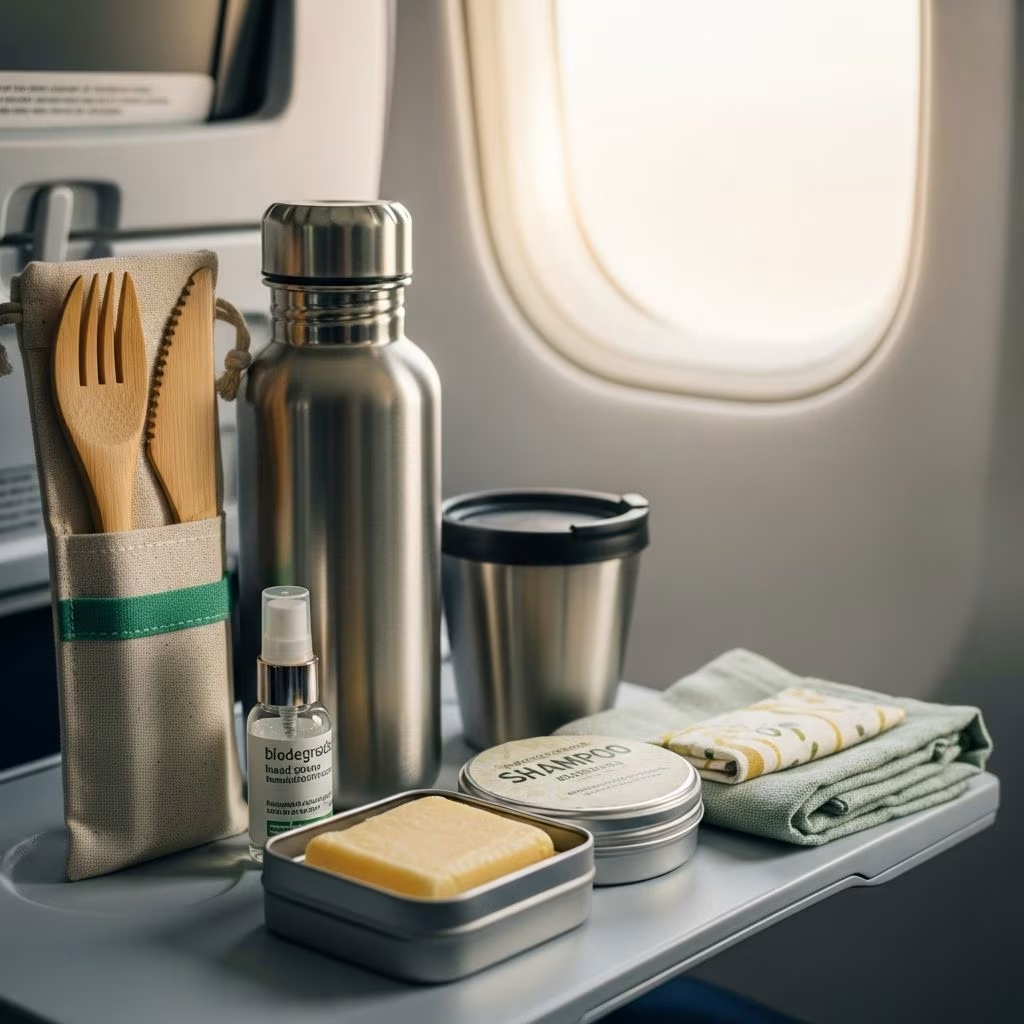
Flights shower passengers with disposables: cups, cutlery, wrappers. Counter by packing reusables. Start with a collapsible water bottle—refill post-security at fountains now common in hubs like SFO. Add a snack container for nuts or bars, dodging wrapped airport buys.
| Item | Benefit | TSA Tip |
|---|---|---|
| Insulated mug | Replaces plastic cups | Empty through security |
| Metal utensils | Cuts cutlery waste | Compact set fits pouch |
| Cloth napkin | No paper towels | Machine-washable |
| Earphones | Skips airline plastics | Wireless preferred |
| Reusable bag | Duty-free without plastic | Folds tiny |
These swaps slash per-flight trash by dozens of items.
Toiletries spawn mini-plastic proliferation. Shift to solids: shampoo bars, toothpaste tabs, bamboo brushes last longer and pack smaller. Decant liquids into reusable 100ml bottles for a compliant kit.
TSA-approved bags keep it neat. Seek airlines ditching plastics onboard.
During flight, small refusals compound. Politely decline cups, straws, sealed snacks. Close window shades to cool cabin naturally, easing AC load—full closure drops temps 10°C, saving energy.
Skip airline blankets/headsets; layer with your scarf or use personal audio. Hydrate via refills, not buys. Crew appreciate eco-awareness, often accommodating reusables.
Pre-flight hubs tempt impulse plastics. Scout maps for fountains, bulk vendors. Digital tickets nix paper; apps handle boarding, maps. Carry a foldable bag for purchases.
Post-security, tote snacks in containers to avoid vendors. Choose eateries with reusables or sit-down spots minimizing packaging.
Extend habits beyond flights. Prefer trains/buses where viable to cut air miles. At hotels, hang ‘do not disturb’ for less linen washes; short showers conserve.
Experience over souvenirs: memories beat trinkets. Digital journals replace paper. Pack out any trash, embodying ‘leave no trace’.
Airlines innovate: AI optimizes meals to cut food waste; reusables and better sorting emerge. Passenger nudges amplify—norms shift when sustainability defaults. Support via choices accelerates change.
Yes, solid foods pass security; liquids follow 100ml rules. Containers help.
Often yes—higher density, pay-for-extras reduce weight/emissions.
Each avoided bag lowers fuel; collectively, fleets save tons CO2 yearly.
Buy a bottle pre-security, empty/drink through, refill after.
Absolutely—many match liquid performance, zero packaging.
Yes, reduces cooling energy significantly.
