

 Travel Essentials
 Travel Essentials

Discover vital pre-trip advice for Ecuador: navigate high altitudes, stay safe amid rising crime, embrace local cuisine like cuy, and explore beyond the Galápagos with cash tips and Spanish basics.
 Travel Essentials
Ecuador offers a compact yet diverse destination with highland cities, coastal beaches, Amazon rainforests, and the iconic Galápagos Islands, all within a land area smaller than many U.S. states. Travelers should prepare for varied climates, elevations up to 9,350 feet in Quito, and evolving safety concerns to ensure a fulfilling journey.
Ecuador spans four distinct regions: the Andes highlands, Pacific coast, Amazon basin, and Galápagos archipelago. This variety means packing layers is essential, as highlands feature cool temperatures around 50-60°F with rain from October to April, while coastal areas stay warmer at 75-85°F but see heavy rains February to April. Contrary to its equatorial location, the country avoids extreme tropical heat due to altitude and ocean influences.
Plan itineraries around weather patterns, allocating 7-20 days for comprehensive exploration. A sample 14-day route might include Quito (acclimation), Otavalo markets, Cuenca colonial charm, Baños adventures, and Mindo birdwatching.
Quito, at 9,350 feet the world’s second-highest capital, poses risks of altitude sickness including headaches, nausea, and fatigue, especially for those from sea level. Symptoms typically ease in 1-2 days with rest, hydration, and avoiding alcohol or strenuous activity. High passes on drives, like those reaching 12,500 feet between Mindo and Cuenca, amplify risks.
| Elevation | Location Example | Acclimation Tips |
|---|---|---|
| 9,350 ft | Quito | Rest 1-2 days, drink water, coca tea. |
| 8,200 ft | Cuenca | Light walks, avoid overexertion. |
| 6,000 ft | Baños | Gradual hikes, monitor symptoms. |
| 3,500 ft | Mindo | Lower risk, good recovery spot. |
Consult a doctor for acetazolamide if prone to issues, and build in buffer days upon arrival.
Crime, including theft and drug-related violence, has risen, particularly in coastal provinces like Guayas, Esmeraldas, and Los Ríos. U.S. State Department advises increased caution nationwide, with ‘Do Not Travel’ for areas south of Guayaquil’s Portete de Tarqui Avenue, Huaquillas, Quevedo, Duran, and northern Esmeraldas. Canadian advisories echo high crime levels and border avoidance.
Despite concerns, daily life continues safely for vigilant visitors; millions travel annually without incident by staying informed.
The U.S. dollar is legal tender since 2000; carry small bills (1s, 5s, 10s) as change is scarce outside cities. ATMs are common but fees add up; Western Union is widely used for emergencies. Cards are accepted in tourist spots but cash rules markets and rural areas.
Driving challenges include manual transmissions dominating rentals (avoid airport bookings for better rates), narrow mountain roads, and aggressive habits. Buses are reliable and cheap via Pan-American Highway; for Galápagos, book flights early. Rent cars only with experience in hilly terrain.
Spanish is predominant; English is limited outside tourist hubs. Learn basics to enhance experiences:
Practice enhances warmth from hospitable locals proud of their heritage.
Ecuadorian food blends indigenous, Spanish, and African influences, emphasizing fresh produce, corn, and proteins. Standouts include world-class chocolate from heirloom cacao—join farm tours for bean-to-bar insights—and cuy (guinea pig), a highland delicacy roasted or stewed, crunchy paws and all.
Street food is safe if hot and crowded; vegetarians find ample plantains, empanadas, and ceviche de chochos.
Otavalo’s Saturday market, South America’s largest, offers alpaca textiles, Panama hats (Ecuadorian origin, best in Cuenca), and handicrafts. UNESCO sites like Quito’s historic center and Cuenca showcase colonial architecture. Baños provides adventure: zip-lining, waterfall hikes. Mindo excels in birdwatching (500+ species).
Expat favorites like Cuenca offer serene living; respect Indigenous customs at markets.
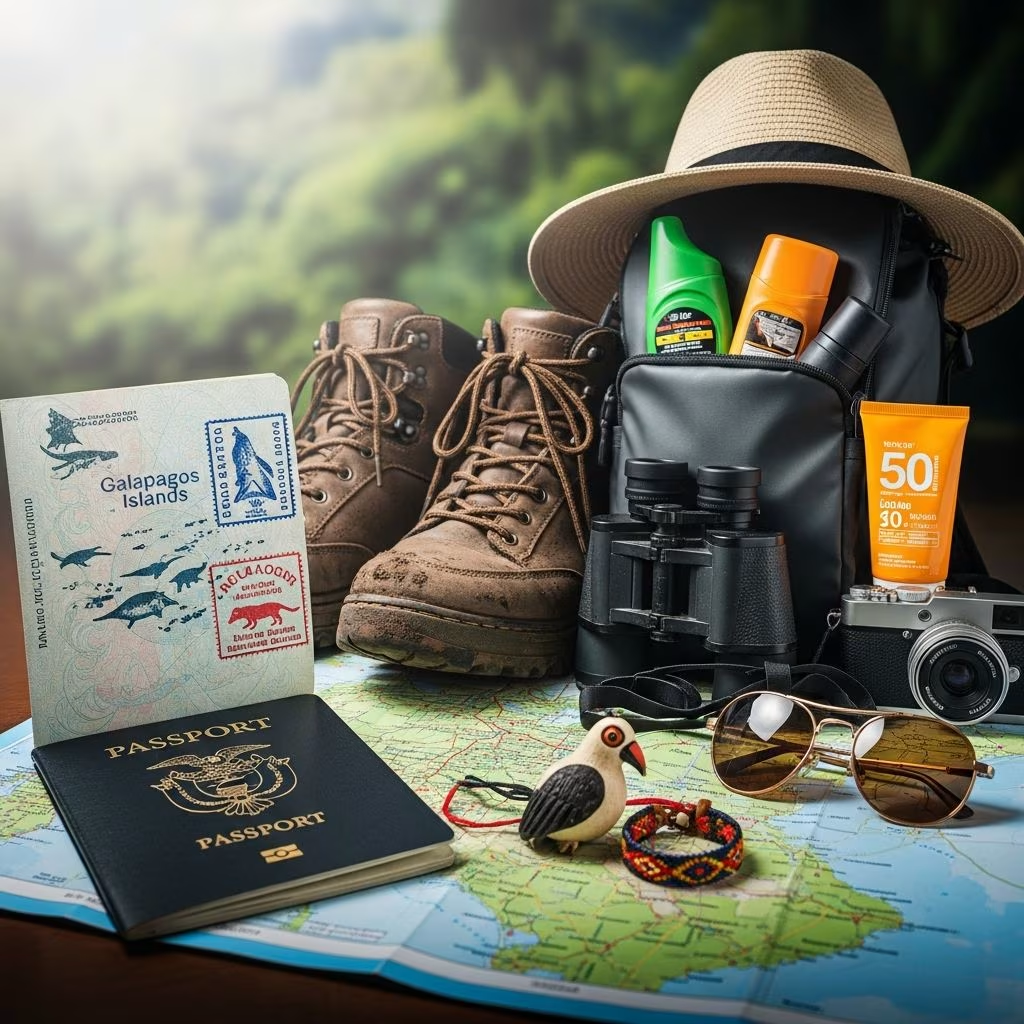
No visa for U.S./Canadian stays under 90 days; yellow fever vaccine advised for Amazon/Galápagos. Pack rain gear, sturdy shoes, sun protection, insect repellent (DEET for malaria zones), altitude meds, antidiarrheals. Drink bottled water; peel fruits.
| Duration | Highlights |
|---|---|
| 7 Days | Quito, Otavalo, Imbabura Loop. |
| 14 Days | Quito, Cuenca, Baños, Mindo, coast day trip. |
| 20+ Days | Add Amazon, Galápagos cruise. |
Yes, with precautions like daytime travel and group tours in risky areas.
May-September for drier highlands; December-January for coast.
No—mainland offers comparable biodiversity and culture at lower cost.
$50-100 USD in small bills for markets/transport.
No; use bottled or purified.
