

Food & Culture Stays Travel Essentials Travel Guides Trip Ideas
Categories
From the Blog
Remy’s Ratatouille Adventure at EPCOT: Ride Review, Tips & 2D Update
Travel Essentials

Ecuadorian Amazon Travel Guide: Best Places, Seasons & Tips

Plan your Ecuadorian Amazon adventure: choose regions like Cuyabeno or Yasuni, pick ideal lodges, master travel logistics, and immerse in wildlife and indigenous culture for 3-7 days.
Travel Essentials

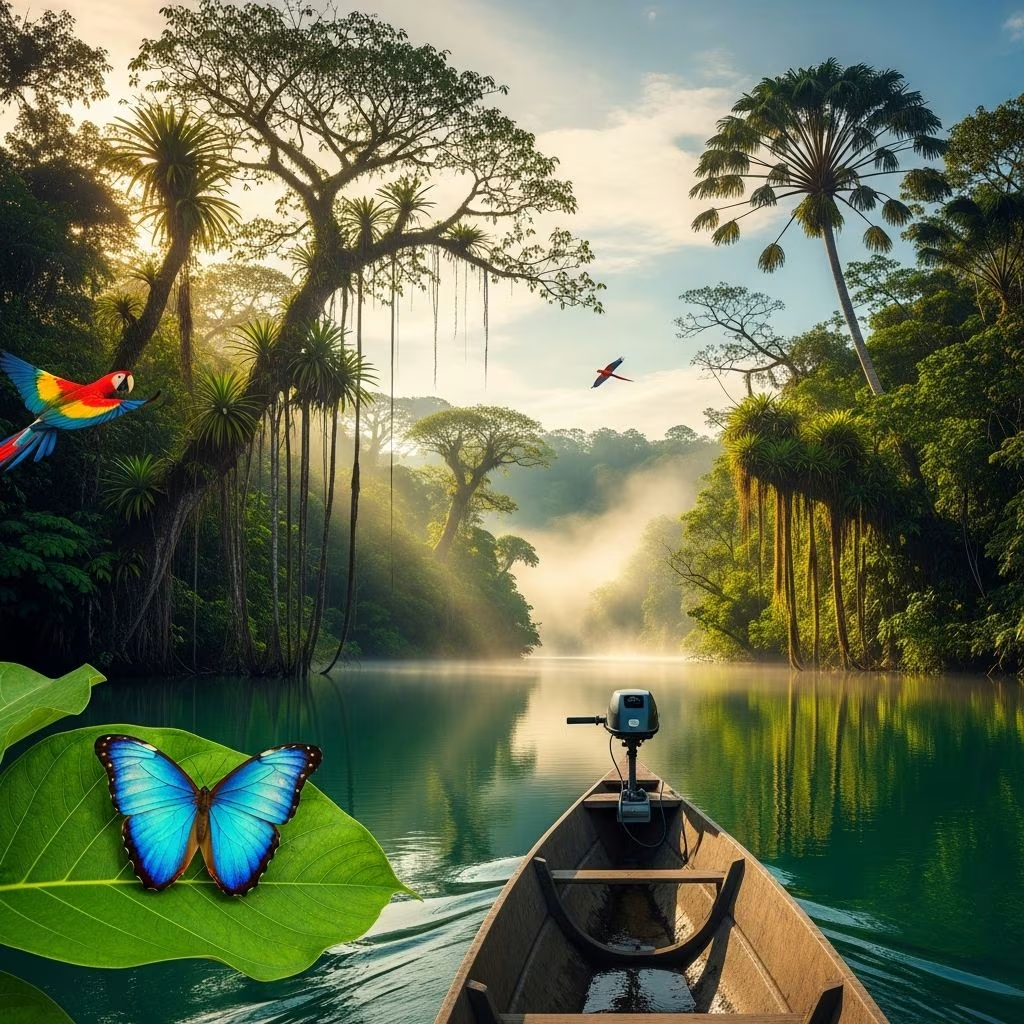
The Ecuadorian Amazon beckons with its dense rainforests, vibrant wildlife, and ancient indigenous traditions. This region offers immersive experiences far from crowded tourist paths, blending adventure with cultural depth. Whether you’re paddling through lagoons or hiking under towering ceiba trees, a well-planned trip unlocks the jungle’s secrets.

Why Venture into Ecuador’s Amazon Rainforest

Ecuador’s slice of the Amazon stands out for its accessibility and pristine primary forests. Unlike more commercialized areas, it preserves vast biodiversity—over 500 bird species, jaguars, sloths, and pink river dolphins thrive here. Remote reserves like Cuyabeno provide genuine encounters with nature and communities living in harmony with it for centuries.

Travelers seek this destination for transformative journeys: dawn canoe rides reveal monkeys and birds, while night hikes spotlight caimans and owls. Cultural exchanges, such as learning cassava preparation from Quichua families, add profound layers. With eco-lodges emphasizing sustainability, your visit supports conservation efforts amid growing threats like deforestation.

Prime Regions for Your Jungle Exploration

Ecuador’s Amazon divides into key areas, each with unique appeals. Focus on these for maximum impact:

  • Cuyabeno Wildlife Reserve: Northeastern gem accessed by bus and boat. Primary rainforest hosts unparalleled wildlife; ideal for 4-5 day stays with lagoon swims and indigenous visits.
  • Yasuni National Park: Biodiversity hotspot near Coca, reachable by plane or car. Features clay licks for parrots and deeper jungle treks, though permits add complexity.
  • Upper Amazon near Tena and Puyo: Easier access from Quito via bus. Perfect for shorter trips with waterfalls, caves, and river tubing; towns like Tena serve as hubs.

Cuyabeno suits remote seekers, while Tena offers budget-friendly gateways.

Best Times to Set Foot in the Jungle

Timing influences wildlife sightings and comfort. The dry season (June to November) brings lower rains, easing hikes and boosting mammal visibility along shores. Wet season (December to May) swells rivers for superior canoeing and birdwatching, though paths turn muddy.

SeasonProsConsWildlife Highlights
Dry (Jun-Nov)Drier trails, clearer skiesFewer birds at edgesMammals, parrots at licks
Wet (Dec-May)Full rivers, lush greeneryMud, insects peakDolphins, more fish

Summer-like conditions in dry months favor extended immersions.

Travel Routes: From Quito to the Deep Jungle

Most journeys start in Quito, Ecuador’s highland capital. Options vary by destination:

  • To Tena/Puyo: Bus from Quitumbe terminal (4-6 hours, $10-15). Scenic descent through Andes; hop-on services like Wanderbus include stops at Baños and Quilotoa.
  • To Cuyabeno: Fly to Lago Agrio (30 min), then bus/boat (3-4 hours total). Organized tours handle logistics.
  • Yasuni Access: Short flight to Coca, followed by motorized canoe.

Taxis from Quito center to terminals cost $10-20; adventurous travelers opt for multi-day passes breaking the route with sights.

Choosing Your Jungle Base: Eco-Lodges and Stays

Eco-lodges anchor Amazon trips, offering comfort amid wilderness. Expect cabins with mosquito nets, communal dining featuring fresh jungle fare, and expert guides. Popular picks:

  • Suchipakari Lodge near Tena: Riverside setting for tubing and plant walks.
  • Nicky Lodge in Cuyabeno: Base for hikes, cassava lessons, and night spotting (~$400/4 days).
  • Quichua community stays near Tena: Authentic homestays with ceremonies (G Adventures style).

Prioritize lodges with sustainability certifications; many include all meals and activities.

Unmissable Activities in the Ecuadorian Amazon

Daily rhythms sync with nature. Typical itineraries blend:

  • Canoe and Boat Excursions: Dawn paddles on lagoons spot dolphins, monkeys; sunset cruises for birds.
  • Guided Hikes: Day trails reveal medicinal plants, giant trees; nights uncover insects, caimans.
  • Water Adventures: Tube rivers, swim waterfalls like Cascadas de Latas, kayak Napo tributaries.
  • Cave Explorations: Jumandi or Elephant Caves near Archidona—damp, historical delves.
  • Wildlife Sanctuaries: AmaZOOnico rescue center for rescued animals.

Cultural highlights include wayusa rituals (morning herbal ceremonies) and indigenous bread-making.

Duration: Crafting the Right Itinerary Length

Balance time and budget: 3-7 days suit most. Breakdown:

  • 3 days/2 nights: One full activity day—quick intro near Tena.
  • 4 days/3 nights: Two core days—standard for Cuyabeno/Yasuni.
  • 5+ days: Deeper immersion, extra nights for relaxation.

First/last days focus on travel, leaving 1-4 for jungle magic.

Packing Smart for Amazon Adventures

Prepare for humidity, bugs, rain:

  • Light, quick-dry clothes; long sleeves/pants.
  • High-DEET repellent, sunscreen, rain poncho.
  • Hiking boots, swimwear, headlamp.
  • Binoculars, reusable water bottle.

Lodges supply nets and basics; pack minimal to ease transport.

Health, Safety, and Sustainability Essentials

Vaccinations (yellow fever, hepatitis) recommended; malaria risk low but prophylactics advised. Drink treated water, use nets. Guides ensure safety on trails. Embrace leave-no-trace: support community tourism, avoid single-use plastics. Choose operators aiding conservation.

Budget Breakdown for Amazon Journeys

ItemLow-End (3 days)Mid-Range (4-5 days)
Transport from Quito$20-50$50-150 (incl. flight)
Lodge/Tour Package$300-500$400-800
Meals/ActivitiesIncludedIncluded
Total pp$350-600$500-1000

Packages cover most; solos may pay premiums.

Frequently Asked Questions

Is the Ecuadorian Amazon safe for solo travelers?

Yes, with reputable guides. Lodges cater to groups; women report positive experiences.

Do I need a visa for the Amazon?

Check Ecuador entry; no special permits for most areas, but Yasuni requires them.

What’s the insect situation like?

Present year-round; peak wet season. Repellent and clothing mitigate.

Can families visit?

Many tours welcome ages 10+; kid-friendly activities abound.

How to book responsibly?

Select eco-certified operators supporting locals and wildlife.

References

  1. Ecuador’s Amazon Jungle Adventure — Adventures in Good Company. Accessed 2026. https://www.adventuresingoodcompany.com/ecuadors-amazon-jungle-adventure
  2. Visiting the Ecuadorian Amazon — Wanderbus Ecuador. Accessed 2026. https://wanderbusecuador.com/visiting-the-ecuadorian-amazon/
  3. 10 Best Ecuadorian Amazon Tours 2026/2027 — TourRadar. 2026. https://www.tourradar.com/v/region-amazonian-region-ecuador
  4. Ecuador Amazon Travel Guide — Happy Gringo. Accessed 2026. https://happygringo.com/ecuador-amazon-rainforest-travel-guide/
  5. Complete Guide to Visiting the Amazon Rainforest in Ecuador — Curious Sparrow Travel. Accessed 2026. https://curioussparrowtravel.com/a-complete-guide-to-visiting-the-amazon-rainforest-in-ecuador/
  6. Amazon, Ecuador Travel Guide — Anywhere Ecuador. Accessed 2026. https://www.anywhere.com/ecuador/regions/amazon
ME
medha deb
Medha Deb is an editor with…

Medha Deb is an editor with a master's degree in Applied Linguistics from the University of Hyderabad. She believes that her qualification has helped her develop a deep understanding of language and its application in various contexts. Medha specializes in the areas of beauty, health, sports, and wellness and is committed to ensuring that the content on the website is of the highest quality.Medha's passion for writing and editing began early in life when she joined a book writer's club with her mother. It was there that she discovered her love for the written word and the power it holds to inform, inspire, and transform lives. Since then, she has honed her skills as a writer and editor, working with a variety of clients and publications to produce compelling and informative content. Currently, she writes and edits for CultureTreker.She is also an ardent animal lover and dedicates her time and resources to the foster care of neonatal kittens, providing them with the love and attention they need to thrive. Her commitment to animal welfare is a testament to her compassion and empathy, and it underscores her belief in the importance of caring for the most vulnerable members of our society.

← Previous
Istanbul Public Transport Guide for Tourists
‹›
