


 Food & Culture
Food & Culture
Ecuadorian Food Guide: 15 Must-Try Dishes, Drinks & Regional Flavors
Explore Ecuador's rich gastronomy: iconic dishes like encebollado, ceviche, llapingachos, and unique beverages such as canelazo and colada morada, highlighting regional specialties.
 Food & Culture
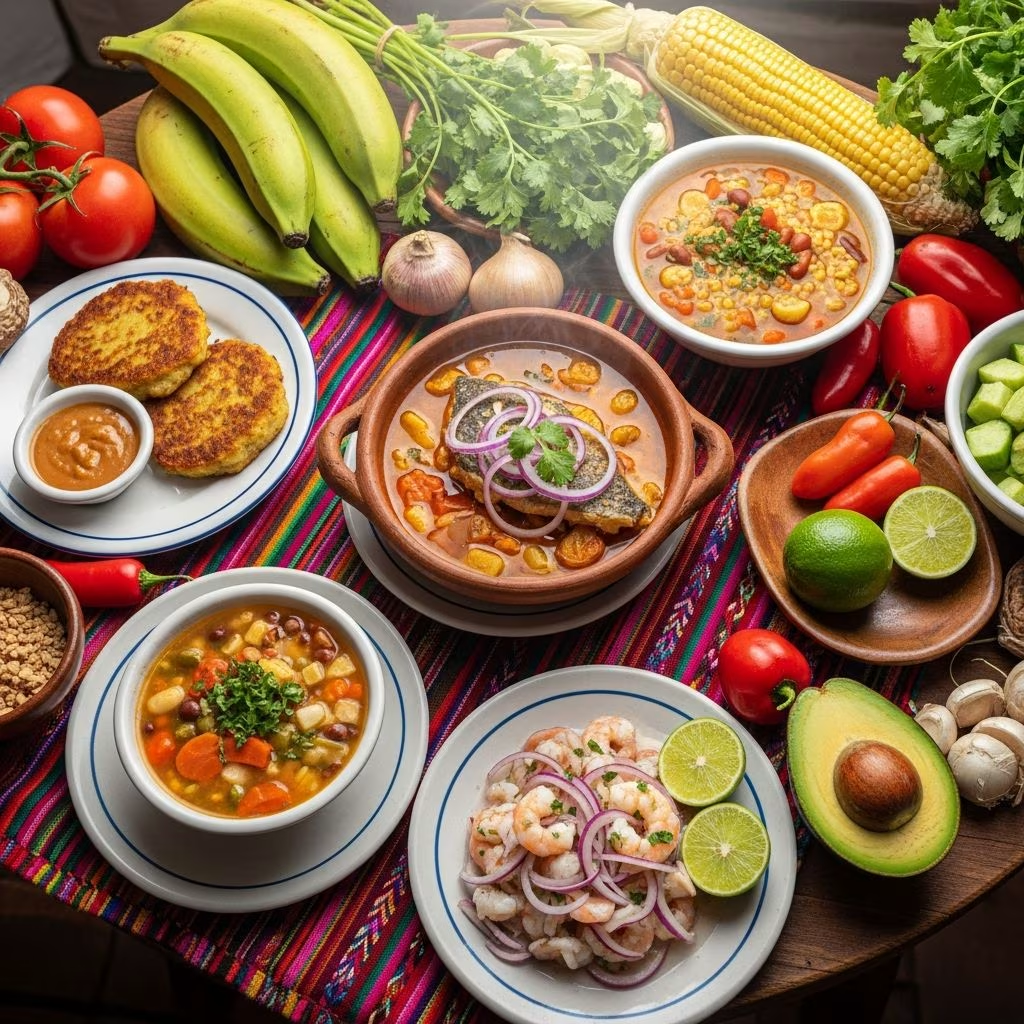
Ecuador’s food landscape reflects its dramatic geography, blending highland staples, coastal bounties, Amazonian fruits, and colonial influences into a tapestry of bold tastes and textures. From hearty soups that cure hangovers to crispy plantain creations and premium chocolates, the country’s dishes offer something for every palate. This guide dives into the essentials, helping travelers savor authentic experiences across regions.
Signature Soups and Stews: Comfort in Every Bowl
Soups form the backbone of Ecuadorian meals, often packed with nutrients and served at markets or street stalls. These dishes showcase local ingredients like potatoes, corn, and seafood, providing warmth in the Andes or refreshment on the coast.
Encebollado: This tuna-based broth, laced with yuca, onions, tomatoes, cilantro, and spices, reigns as a national favorite, especially in Guayaquil. Locals swear by it for easing hangovers, pairing it with plantain chips or bread. Find top versions at spots like La Casa del Encebollado.
Locro de Papa: A creamy potato soup from the highlands, thickened with cheese and topped with avocado, it’s simple yet satisfying. Variations include corn or meat, making it a staple in Quito markets.
- Key ingredients: Potatoes, cheese, onions, garlic, cream, cilantro.
- Best enjoyed: With a fried egg or chorizo on festive occasions.
- Regional twist: Andean versions add achiote for color.
Coastal Seafood Marvels
Ecuador’s Pacific shores yield pristine seafood, ‘cooked’ in citrus or simmered in coconut. These dishes highlight freshness and spice, defining the sierra-coast divide.
Ceviche: Unlike Peruvian styles, Ecuadorian ceviche uses lime juice to marinate shrimp or fish briefly, preserving texture. Served with popcorn, plantain chips, and tomato-onion relish, it’s ubiquitous in Guayaquil and Montañita. Try high-end takes at Ceviches de la Rumiñahui in Quito.
| Dish | Main Ingredients | Best Location |
|---|---|---|
| Ceviche | Shrimp/fish, lime, onions, chili | Guayaquil coast |
| Encocado | Fish/shrimp, coconut milk, spices | Esmeraldas region |
| Encebollado | Tuna, yuca, pickled onions | Guayaquil ports |
Encocado de Pescado: Fish or shrimp stewed in creamy coconut sauce with peppers and herbs, this coastal gem balances sweet and spicy notes.
Highland Hearty Mains and Sides
The Andes deliver robust meats and tubers, influenced by indigenous and Spanish traditions. Pork, potatoes, and corn dominate, often grilled or fried.
Llapingachos: Golden potato patties stuffed with cheese, grilled crisp outside and gooey within. Paired with chorizo, egg, avocado, and curtido salad, they’re market royalty in Ambato and Riobamba.
Fritada and Hornado: Pork shines in fritada (deep-fried chunks) or hornado (roast leg), served with llapingachos, mote (hominy), and salads. Festive and filling, they’re Sierra classics.
Cuy Asado: Roasted guinea pig, a pre-Columbian delicacy, is crispy-skinned and served whole on special days. More common in indigenous communities, it’s protein-rich with earthy flavors.
- Preparation tip: Marinated in spices, spit-roasted over coals.
- Cultural note: Symbol of abundance in highlands.
Plantain Power: Coastal Indulgences
Plantains, dubbed ‘green gold,’ fuel the costa with versatile preparations. Fried, mashed, or balled, they’re in nearly every meal.
Bolon de Verde: A fist-sized ball of mashed green plantain mixed with cheese or pork rind, fried and split open for manteca (lard) or chorizo. Breakfast heroes in Manabí.
Patacones and Tigrillo: Thick fried slices (patacones) or scrambled with egg and cheese (tigrillo) provide crunch and comfort.
Exotic Fruits and Sweets
Tropical bounty yields custard apples (chirimoya), pepinos dulces, and mamey, often juiced or in desserts. Ecuador’s Arriba cacao crafts world-class chocolate, from bars to hot drinks.
Helados de paila, fruit sorbets churned in copper pans, feature mora (blackberry), naranjilla, and guanábana—no dairy needed.
Beverages: From Reviving Juices to Festive Libations
Drinks mirror seasons: hot spiced punches in mountains, fruity refrescos on coasts.
Canelazo: Andean warmer of aguardiente, cinnamon, naranjilla, sugar, and panela. Sip fireside in Quito.
Colada Morada: Purple corn porridge with fruits, spices, paired with guaguas de pan (bread babies) for Day of the Dead.
Other hits: Jugo de tomate de árbol (tart tree tomato juice), fresh choclo (corn) drinks.
Regional Breakdown: Where Flavors Flourish
| Region | Iconic Dish | Must-Try Drink |
|---|---|---|
| Coast (Guayaquil) | Encebollado, Ceviche | Chifles (plantain chips) |
| Andes (Quito) | Llapingachos, Locro | Canelazo |
| Amazon | Maito (grilled fish in bijao leaves) | Chirimoya juice |
Practical Tips for Food Explorers
- Markets: Dive into Mercado Central de Ambato for llapingachos or Guayaquil’s Malecón for encebollado.
- Vegetarian Options: Humitas (corn tamales), empanadas de viento (cheese puffs).
- Spice Level: Aji sauce adds heat—start mild.
- Health Note: Fresh seafood demands reputable spots to avoid risks.
Frequently Asked Questions
What is the most famous Ecuadorian dish?
Encebollado tops lists for its hangover-curing fame and flavor, followed by ceviche.
Is cuy safe to eat for tourists?
Yes, when hygienically prepared; it’s lean protein, common in highlands.
Best time for colada morada?
October-November for Day of the Dead, but available year-round in Quito bakeries.
Where to find premium Ecuadorian chocolate?
Quito chocolaterías use Arriba beans for single-origin bars and drinks.
Are there gluten-free options?
Many: plantain dishes, soups, grilled meats avoid wheat.
Diving Deeper: Cultural Context and Evolutions
Ecuadorian cuisine fuses Kichwa indigenous roots, Spanish imports, African coastal touches, and Italian influences via immigrants. Post-pandemic, gourmet scenes in Quito and Cuenca elevate street eats—think ceviche nigiri or molecular encebollado foams. Sustainability drives cacao and seafood focus, with small farms producing heirloom varieties.
Street food thrives: cevichochos (chochos beans with ceviche dressing) in Quito, bolones from coastal vendors. Festivals like Inti Raymi feature fanesca, a Lenten bean-cod soup.
For families, mote pillo (hominy scrambled eggs) comforts kids; adventurers grill trucha (trout) over Amazon fires. Pair meals with Pilsener beer or chicha (fermented corn).
Chocolate merits a section: Ecuador’s fine-flavor cacao (5% global output) stars in 70-100% bars, gelato, or cacao porridge (chorchlo). Plantations near Guayaquil offer tours.
Empanadas vary: coastal cheese-stuffed, highland meat-filled. Seco de chivo, goat stew with rice and plantains, spices holidays.
Vegetal delights: tree tomato (tomate de arbol) juices blend sweet-tart; uvilla berries top helados.
References
- About Ecuador – World Travel Guide — World Travel Guide. 2023. https://www.worldtravelguide.net/guides/south-america/ecuador/food-and-drink/
- What to eat and drink in Ecuador — Lonely Planet. 2023-10-15. https://www.lonelyplanet.com/articles/what-to-eat-and-drink-in-ecuador
- Ecuadorian Food: Top Traditional Dishes You Must Try — Scott Dunn. 2024. https://www.scottdunn.com/us/blog/traditional-ecuadorian-food
- Ecuadorian Food: 11 Traditional Dishes You Must Try — Rainforest Cruises. 2023. https://www.rainforestcruises.com/guides/ecuadorian-food
On This Page
Signature Soups and Stews: Comfort in Every Bowl Coastal Seafood Marvels Highland Hearty Mains and Sides Plantain Power: Coastal Indulgences Exotic Fruits and Sweets Beverages: From Reviving Juices to Festive Libations Regional Breakdown: Where Flavors Flourish Practical Tips for Food Explorers Frequently Asked Questions Diving Deeper: Cultural Context and Evolutions← Previous
Best Time to Visit Ecuador: Seasons, Regions & Travel Tips
Next →
Best Bike Rides in Boston: Routes, Rentals, and Safety Tips
Related Reading
More in Food & Culture
Food & Culture Food & Culture
 Food & Culture
Best Places to Eat in Rome: Neighborhood Dining Guide
 Food & Culture
 Food & Culture