

 Travel Essentials
 Travel Essentials

Complete guide to El Camino Real, the 600-mile historic route linking Spanish missions from San Diego to Sonoma through California's most scenic regions.
 Travel Essentials
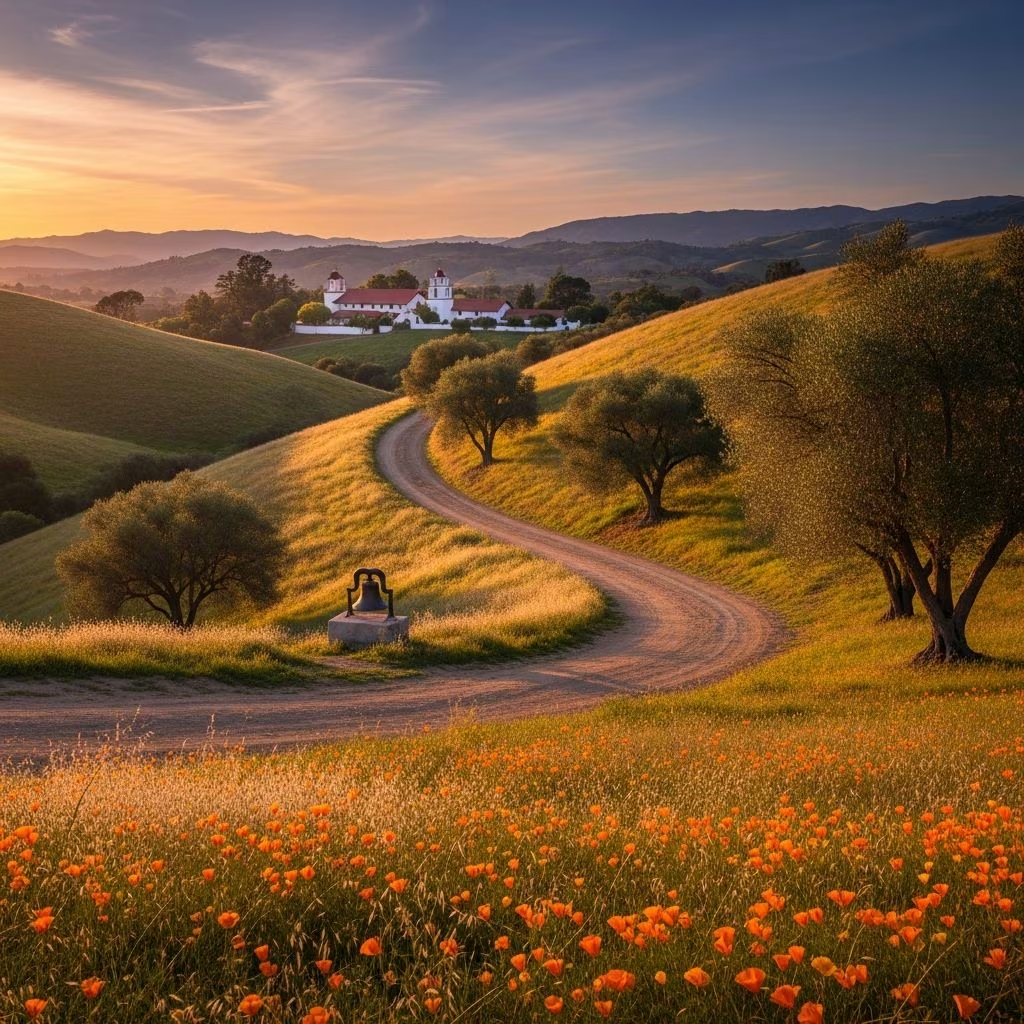
El Camino Real, meaning “The Royal Road,” represents one of North America’s most significant historical pathways. This expansive 600-mile corridor stretches across California, connecting a chain of 21 Spanish missions that served as the foundation for the state’s colonial development. Established in the late 1700s by Spanish explorers and missionaries, this legendary route begins at Mission San Diego de Alcalá in San Diego and concludes at Mission San Francisco Solano in Sonoma. The journey along El Camino Real provides modern travelers with an unparalleled opportunity to immerse themselves in California’s Spanish heritage while discovering the state’s diverse landscapes and cultural landmarks.
The establishment of El Camino Real predates many foundational American moments by centuries. Spanish colonists constructed this vital thoroughfare as a strategic network linking military installations, religious settlements, and civilian populations across California’s vast territory. The missions themselves served multiple purposes: spiritual centers for converting indigenous populations, agricultural hubs that drove regional economies, and way stations for travelers journeying along the route.
Each mission was strategically positioned approximately one day’s journey apart, allowing travelers and supply caravans to reach the next destination before nightfall. This thoughtful spacing reflected the practical needs of colonial administration and the realities of travel during that era. Today, these same missions stand as architectural testimonies to Spanish-colonial craftsmanship and cultural exchange, preserved largely intact through centuries of California history.
Travelers interested in exploring El Camino Real should consider several planning factors to maximize their experience. The total journey spans approximately 600 miles, making it feasible to complete in segments over multiple trips or to traverse in approximately one week with dedicated daily driving. Most visitors choose to focus on particular regions rather than attempting the entire route in a single journey.
The route generally follows modern highways, particularly Interstate 5 through many sections, though travelers can opt for alternative scenic byways that more closely mirror the original pathway. Navigation has become increasingly straightforward with contemporary GPS technology and well-marked mission locations throughout the state.
California’s varied climate makes El Camino Real accessible year-round, though different seasons present unique advantages. Spring and fall offer moderate temperatures and reduced summer crowds at popular mission sites. Summer travel involves larger tourist populations but provides the most reliable weather for extended outdoor exploration. Winter can bring occasional road closures in mountain passes, though most of the route remains passable. Plan your journey during periods that align with your preferred weather conditions and availability.
The southern terminus of El Camino Real begins with Mission San Diego de Alcalá, California’s first established mission. This active parish maintains peaceful gardens and represents the starting point of Spanish colonial expansion northward. Visitors can explore the mission’s architecture and learn about its role in founding San Diego itself.
| Mission Name | Location | Notable Features | Founded |
|---|---|---|---|
| Mission San Luis Rey | Oceanside | Largest California mission; elegant courtyards; expansive grounds | 1798 |
| Mission San Juan Capistrano | San Juan Capistrano | Famous returning swallows; Great Stone Church ruins; highly visited | 1776 |
| Mission San Gabriel Arcángel | San Gabriel | Fortress-like design; agricultural center; regional significance | 1771 |
| Mission San Fernando Rey de España | Mission Hills | Largest adobe building in California; restored traveler inn | 1797 |
| Mission San Buenaventura | Ventura | Last mission founded by Serra; coastal location; museum and gardens | 1782 |
Mission San Juan Capistrano stands as one of the most visited sites along the entire route, particularly renowned for the seasonal return of swallows that have nested there for generations. The mission’s Great Stone Church, though damaged by an earthquake centuries ago, remains an iconic structure that draws visitors from across the globe. Mission San Luis Rey in Oceanside earned the title “King of the Missions” due to its impressive size and architectural elegance, featuring spacious courtyards and gardens that reflect the mission’s historical importance as a regional power center.
As travelers continue northward along El Camino Real, the landscape transitions from coastal communities to inland valleys. Mission San Buenaventura in Ventura represents the final mission established by Father Junípero Serra, who spearheaded the entire missionary expansion effort. Located near the Pacific coast, this mission combines museum exhibits with beautiful gardens, providing insight into coastal mission life during the colonial period.
Further inland, missions in the central valleys showcase different architectural approaches and regional adaptations. These establishments often served as economic engines for their surrounding areas, managing vast agricultural operations and developing trade networks that extended far beyond their immediate boundaries.
The northern section of El Camino Real culminates in the San Francisco Bay Area and continues northward to Sonoma County. Traveling through this region involves navigating urban infrastructure alongside historic sites, requiring careful attention to timing considerations. Rush hour traffic around San Francisco can significantly impact travel plans, making early morning or late afternoon departures advisable.
Mission San Francisco stands among the oldest establishments in California, and the broader Bay Area contains multiple historically significant missions. Mission San Francisco Solano in Sonoma marks the northern terminus of El Camino Real, representing the Spanish colonial expansion’s final push into northern California territories.
Modern travelers have two primary routing choices when following El Camino Real: freeway routes and heritage byways. Interstate 5 forms the contemporary backbone of the route through many sections, offering faster travel times and direct connections between major population centers. However, exploring secondary highways and local roads can provide a more authentic experience of the landscape and communities that developed along the original pathway.
The coastal route between San Diego and Oceanside offers particularly scenic alternatives, allowing travelers to experience the Pacific coastline while visiting missions. Highway 101 through much of California provides an intermediate option, balancing travel speed with access to heritage sites and regional attractions.
El Camino Real’s significance extends beyond the mission buildings themselves. The route passes through communities that developed specifically to support the colonial infrastructure. Historic districts, museums, and cultural centers throughout the state provide context for understanding how Spanish colonial policies shaped California’s development.
Los Angeles-area landmarks including Olvera Street represent Hispanic heritage preserved within modern urban contexts. Union Station and other transportation hubs stand as later-era monuments to California’s continued development as a connected, prosperous region. These attractions supplement mission visits with broader historical perspective.
A complete El Camino Real journey spanning all 600 miles requires approximately seven to ten days of dedicated travel, depending on how extensively you explore each mission and surrounding area. Many travelers break the journey into multiple trips, focusing on particular regions during individual journeys. A southern California segment covering San Diego through Ventura requires two to three days. Central coast missions between Ventura and San Luis Obispo can be explored in two days. The northern route from San Luis Obispo through Sonoma requires an additional two to three days.
Communities throughout California have developed tourist infrastructure specifically to serve El Camino Real travelers. Mission towns typically offer hotels, bed-and-breakfasts, and campgrounds at various price points. Larger cities along the route provide abundant accommodation options, while smaller communities may require advance reservations during peak travel seasons.
Spring (March-May) and fall (September-November) offer ideal conditions with moderate temperatures and manageable crowds. Summer provides reliable weather but increases tourist populations at missions. Winter is accessible throughout most of the route with generally mild California weather.
While technically possible in seven to ten days of dedicated driving, most travelers find spreading the experience across multiple trips more enjoyable. This allows for deeper exploration of each mission and surrounding communities rather than focusing solely on reaching the next destination.
Most missions charge modest admission fees, typically between $5-$15 per person. Some active parishes allow free entry to the church while charging for museum exhibits. Check individual mission websites for current pricing and hours of operation.
Mission San Juan Capistrano, Mission San Luis Rey, Mission Santa Barbara with its iconic twin towers and ocean views, and Mission San Gabriel represent the most distinctive stops, particularly if traveling through Southern California. These sites offer the most compelling architecture and historical significance concentrated in relatively close proximity.
Yes, all 21 missions are accessible by automobile. Modern highways connect mission locations throughout California, though some require brief detours from major thoroughfares to reach the actual buildings.
El Camino Real offers contemporary travelers an extraordinary opportunity to traverse centuries of California history while experiencing the state’s remarkable geographic diversity. From coastal vistas near San Diego to wine country valleys in Sonoma, the route encompasses some of California’s most compelling landscapes. The 21 missions standing along this historic pathway represent more than architectural achievements; they embody the complex historical forces that shaped California’s cultural identity, the interactions between European colonizers and indigenous populations, and the development of communities that persist today as vital cultural centers.
Whether experienced as a single comprehensive journey or explored through multiple regional trips, El Camino Real connects travelers to California’s foundational heritage while providing the contemporary travel experience of discovering distinct regions, tasting local cuisines, and encountering communities shaped by centuries of continuous habitation. This historic route remains as vital for understanding California today as it was for connecting Spanish colonial territories nearly three centuries ago.
