


 Food & Culture
Food & Culture
Emilia-Romagna Food Guide: Italy’s Legendary Food Valley
Explore Emilia-Romagna's iconic cuisine, including cured meats, egg pastas, cheeses, and regional specialties that define Italian gastronomy.
 Food & Culture
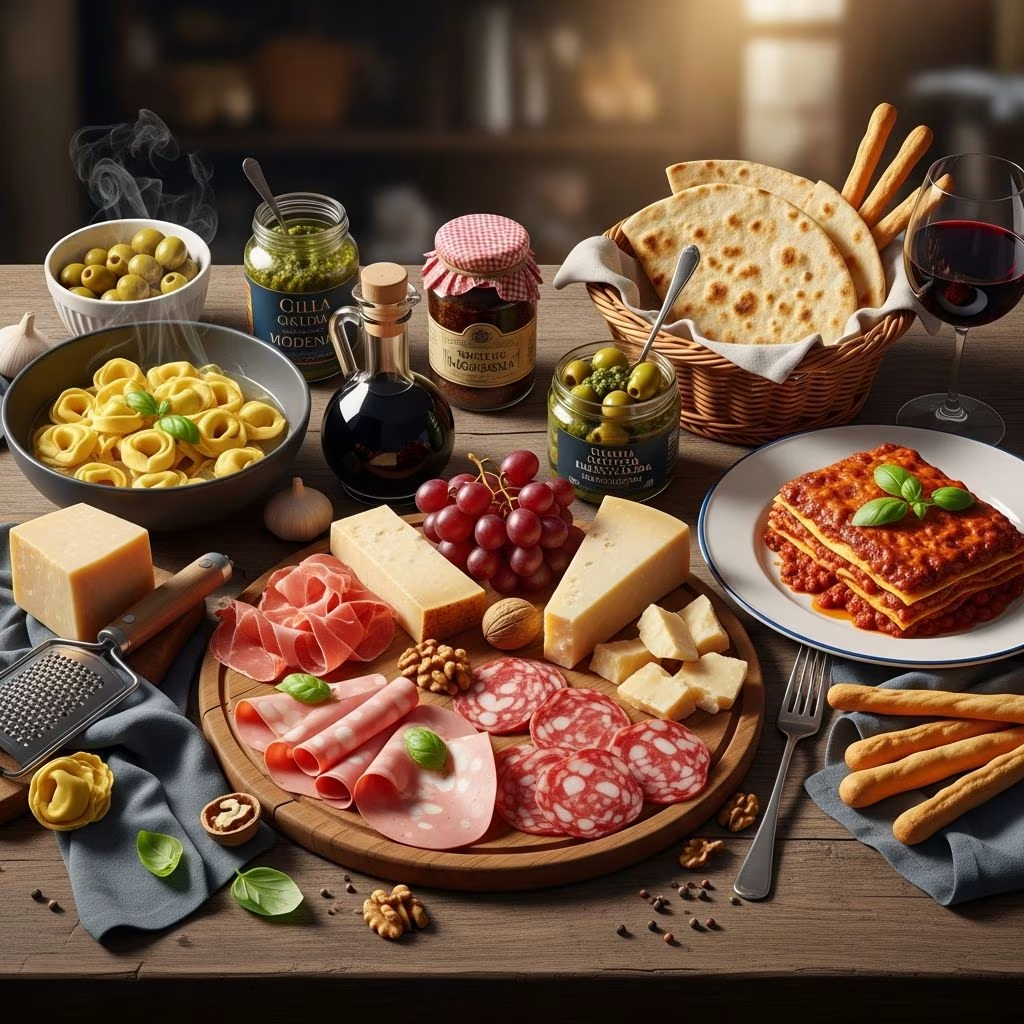
Emilia-Romagna stands as one of Italy’s most celebrated gastronomic regions, often dubbed the Food Valley for its array of protected products and timeless recipes. Stretching from the Po River plains to the Adriatic coast, this area produces staples like Parmigiano Reggiano cheese, Prosciutto di Parma, and traditional balsamic vinegar that grace tables worldwide. The cuisine emphasizes fresh, high-quality ingredients, with a strong focus on pork products, egg-based pastas, and aged cheeses, reflecting centuries of agricultural tradition and Renaissance influences.
The Foundations of Emilia-Romagna’s Gastronomy
The region’s food culture divides into two distinct styles: the hearty, pork-centric Emiliana from cities like Bologna, Parma, and Modena, and the lighter, seafood-influenced Romagnola along the coast including Ravenna and Rimini. Pork dominates due to historical Lombard influences and the symbiotic relationship between pig farming and cheesemaking—whey from Parmigiano production feeds the pigs, enhancing the flavor of cured meats like Prosciutto. Seasonal produce, truffles, and chestnuts add depth, while PDO and PGI designations protect over 200 products, ensuring authenticity.
Fresh egg pasta, made with soft wheat flour and eggs (no water), forms the backbone of many dishes. This rich dough yields tender tagliatelle, tortellini, and cappelletti, distinguishing it from drier pastas elsewhere in Italy. Cured meats (salumi) and cheeses are staples, often enjoyed simply with bread or folded into elaborate recipes.
Iconic Cheeses: Parmigiano Reggiano and Beyond
At the pinnacle sits **Parmigiano Reggiano**, a hard, granular cheese aged from 12 to over 36 months. Produced only in specific zones of Emilia-Romagna and parts of Lombardy, it’s crafted from partially skimmed cow’s milk and stamped with its origin date. The wheels are rigorously tested by tapping experts who detect flaws by sound. Grated over pastas or eaten in chunks with balsamic vinegar, it embodies umami perfection.
- Production process: Milk from grass-fed cows is heated in copper vats, curdled with rennet, and molded into 80-pound wheels.
- Aging: Natural cellars develop crystalline tyrosine crystals for crunch and nutty flavor.
- Pairings: Best with Prosciutto, honey, or in risottos.
Other cheeses include Squacquerone di Romagna, a soft, creamy cow’s milk variety ideal for spreading on flatbreads.
Cured Meats: Prosciutto di Parma and Salumi Stars
Prosciutto di Parma, a dry-cured ham, requires no cooking—simply slice thin and savor its sweet, silky texture. Made from heavy pigs fed whey and grains, hams age 12-36 months in breezy hilltop cellars near Parma. The black-rinded slices melt on the tongue, perfect for antipasti boards.
Emilia-Romagna excels in salumi variety:
| Salumi | Origin | Key Traits |
|---|---|---|
| Prosciutto di Parma | Parma | Sweet, tender; PDO protected |
| Culatello di Zibello | Lower Parma | Finest ham ‘heart’; delicate, rare |
| Mortadella Bologna | Bologna | Pork-beef sausage; pistachio flecks |
| Coppa Piacentina | Piacenza | Neck cut; spicy, aged |
| Zampone & Cotechino | Modena/Bologna | Stuffed pig parts; boiled for holidays |
These meats shine in sandwiches, pastas, or boiled with lentils during winter feasts.
Pasta Masterpieces: Egg Dough Delicacies
Emilia-Romagna’s pastas are labor-intensive works of art. **Tagliatelle al Ragù Bolognese** features ribbon pasta with slow-cooked meat sauce of beef, pancetta, and tomato—never with spaghetti. Lasagne alla Parmigiana layers ragù, béchamel, and Parmigiano between sheets, baked until bubbly.
Stuffed varieties rule holidays:
- Tortellini in Brodo: Tiny pork-prosciutto-Parmesan pouches in golden chicken broth; a Christmas must. Bologna and Modena debate origins.
- Cappelletti: Hat-shaped, filled with meats and cheese; simmered in broth or sauce.
- Cappellacci di Zucca: Ferrara’s pumpkin-filled ravioli with butter-sage.
Gramigna with sausage or pisarei e faśö (gnocchi with beans) showcase diversity.
Balsamic Vinegar and Sweet-Sour Traditions
**Aceto Balsamico Tradizionale di Modena** ages 12-100+ years in wooden barrels, reducing grape must into syrupy nectar. Drizzled on cheese, strawberries, or gelato, its tangy sweetness elevates everything. Traditional versions are pricier than commercial balsamic.
Street Foods and Everyday Eats
Flatbreads define casual bites. Modena’s tigelle (small, grilled breads) spread with pesto modenese (lard-garlic-rosemary) pair with salumi. Romagna’s piadina Romagnola, a thin unleavened disk, stuffs with squacquerone cheese, prosciutto, or rocket. Once peasant fare, they’re now ubiquitous.
Erbazzone, a savory spinach-onion pie from Reggio Emilia, offers flaky layers. Maiale al latte braises pork in milk for tender, curd-enriched slices.
Sweet Treats and Desserts
Desserts lean simple: Torta di Riso (rice pudding cake) from Ravenna, or crostata di prugne (plum jam tart). Zuppa Inglese layers sponge with custard and alchermes liqueur, akin to trifle.
Food Valley Itineraries: Where to Taste It All
Plan a road trip through producers:
- Parma: Prosciutto tours, Parmigiano dairies.
- Modena: Balsamic acetaias (vinegar cellars), tigelle spots.
- Bologna: Pasta labs, mortadella markets.
- Romagna Coast: Piadina stands, fresh seafood.
Visit during autumn truffle fairs or spring asparagus festivals for seasonal immersion. Markets like Bologna’s Quadrilatero buzz with vendors slicing salumi fresh.
Pairings: Emilia-Romagna Wines
Complement meals with Lambrusco (sparkling red), Sangiovese from Romagna, or Malvasia whites. These crisp, fruity wines cut through rich meats and cheeses.
Frequently Asked Questions (FAQs)
What is the most famous food from Emilia-Romagna?
Parmigiano Reggiano and Prosciutto di Parma top the list, alongside tagliatelle al ragù.
Is spaghetti Bolognese authentic?
No—Italians use tagliatelle for ragù Bolognese.
How long does Parmigiano Reggiano age?
Minimum 12 months; stravecchio exceeds 24 for intense flavor.
What’s the difference between Emiliana and Romagnola food?
Emiliana is meat-heavy; Romagnola favors flatbreads and fish.
Where to buy authentic products?
Consortium shops or PDO-labeled stores ensure quality.
Planning Your Culinary Journey
Emilia-Romagna rewards food pilgrims with agriturismi stays on farms, cooking classes, and sagre (food festivals). Budget for multiple-course meals—primi (pasta), secondi (meat), and contorni (sides). Respect traditions: eat locally, seasonally, and share family-style.
This region’s cuisine isn’t flashy but profoundly satisfying, rooted in terroir and technique. From factory tours to trattoria tables, every bite tells Italy’s story.
References
- Emilia-Romagna’s Culinary Treasures: A Feast of Delights — Cellar Tours. N/A. https://www.cellartours.com/blog/italy/emilia-romagna-cuisine
- Discover Emilia-Romagna | Eataly — Eataly. N/A. https://www.eataly.com/us_en/magazine/culture-and-tradition/food-guide-emilia-romagna
- Emilian cuisine – Wikipedia — Wikipedia. N/A. https://en.wikipedia.org/wiki/Emilian_cuisine
- Emilia-Romagna: Italy’s Best Kept Food Secret by Sarah Clayton-Lea — The Taste. 2024. https://www.thetaste.ie/emilia-romagna-italys-best-kept-food-secret-by-sarah-clayton-lea
- complete foodie guide to Emilia-Romagna — Great Italian Chefs. N/A. https://www.greatitalianchefs.com/features/foodie-guide-emilia-romagna
- A Gastronomia in Emilia-Romagna — Italy Segreta. N/A. https://italysegreta.com/gastronomia-in-emilia-romagna/
- Food Valley | Emilia Romagna Tourism — Emilia Romagna Turismo. N/A. https://emiliaromagnaturismo.it/en/food-valley
On This Page
The Foundations of Emilia-Romagna's Gastronomy Iconic Cheeses: Parmigiano Reggiano and Beyond Cured Meats: Prosciutto di Parma and Salumi Stars Pasta Masterpieces: Egg Dough Delicacies Balsamic Vinegar and Sweet-Sour Traditions Street Foods and Everyday Eats Sweet Treats and Desserts Food Valley Itineraries: Where to Taste It All Pairings: Emilia-Romagna Wines Frequently Asked Questions (FAQs) Planning Your Culinary Journey← Previous
Blind Travel Beyond Sight: Multisensory Adventures and Accessibility
Next →
Emilia-Romagna Food Valley Guide: Parmigiano, Parma Ham & Pasta
Related Reading
More in Food & Culture
Food & Culture Food & Culture
 Food & Culture
Best Places to Eat in Rome: Neighborhood Dining Guide
 Food & Culture
 Food & Culture