


 Food & Culture
Food & Culture
Emilia-Romagna Food Valley Guide: Parmigiano, Parma Ham & Pasta
Explore Emilia-Romagna's culinary heritage, birthplace of Parmigiano Reggiano, Prosciutto di Parma, and iconic pastas like tortellini.
 Food & Culture
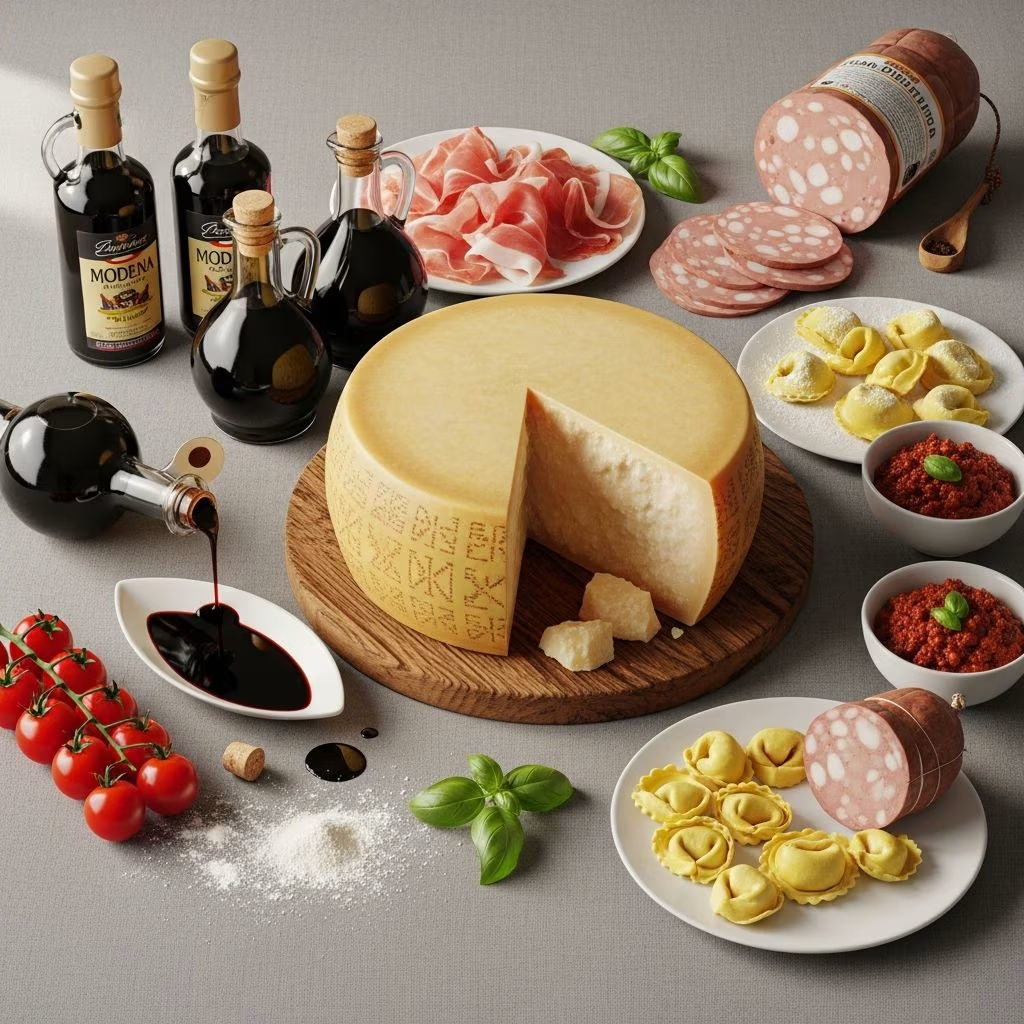
Emilia-Romagna stands as Italy’s undisputed culinary powerhouse, often called the Food Valley for its array of world-renowned gastronomic treasures. This northern region produces staples like Parmigiano Reggiano cheese, Prosciutto di Parma ham, and Aceto Balsamico Tradizionale di Modena vinegar, all safeguarded by strict Protected Designation of Origin (PDO) rules. Beyond these icons, the area boasts a diverse palette of fresh pastas, cured meats, and hearty dishes rooted in seasonal ingredients and ancient techniques.
The Heart of Italy’s Culinary Legacy
Spanning from the Po River plains to the Apennine foothills, Emilia-Romagna blends Emilian richness from cities like Bologna and Parma with the lighter Romagnola styles of Ravenna and Rimini. Pork dominates Emilian fare, thanks to pigs fed on whey from Parmigiano production, enhancing the flavor of local hams. The region’s cuisine emphasizes simplicity elevated by premium ingredients, a legacy of Renaissance courts and Lombard influences that prioritize pork and fats.
Fresh, seasonal produce complements these meats, with many fruits and vegetables holding PGI status. Chestnuts and truffles add earthy notes, distinguishing it from neighboring cuisines. Over 200 traditional products enjoy legal protection, underscoring the area’s commitment to authenticity.
Iconic Cheeses: Parmigiano Reggiano and Beyond
At the forefront is **Parmigiano Reggiano**, a hard, granular cheese aged from 12 to over 36 months. Crafted only in specific zones between Parma, Reggio Emilia, Modena, and Bologna, its production involves skimming whey to feed local pigs, creating a symbiotic food chain. Each wheel, weighing up to 88 pounds, is inspected rigorously; only those stamped with the PDO logo meet standards.
- Production Process: Milk from grass-fed cows is heated in copper vats, curdled with rennet, and shaped into wheels pressed for weeks before brining and aging in cool cellars.
- Tasting Notes: Nutty, crystalline texture with umami depth; younger versions suit grating, while aged ones shine on cheese boards.
- Pairings: Balsamic vinegar drizzles or alongside Prosciutto di Parma.
Other cheeses like Squacquerone di Romagna, a creamy fresh variety, star in flatbreads.
Cured Meats: Prosciutto, Culatello, and Salumi Masters
Emilia-Romagna excels in salumi, with Prosciutto di Parma as the star. Dry-aged for at least 12 months on hillside farms, its sweet, melt-in-mouth quality comes from sea salt curing and pure pork. Culatello di Zibello, from the ham’s tender core, ages in humid cellars for a delicate, buttery profile—rarer and pricier.
| Salumi Type | Origin Area | Key Features |
|---|---|---|
| Prosciutto di Parma | Parma hills | Sweet, silky; minimum 12 months aging |
| Culatello di Zibello | Lower Parma | Tender heart of ham; prized delicacy |
| Mortadella Bologna | Bologna | Pork-beef sausage, pistachio flecks |
| Coppa Piacentina | Piacenza | Neck cut, spicy and robust |
| Zampone/Cotechino | Modena/Bologna | Stuffed pig parts, boiled in hearty soups |
Mortadella, with its fine texture and subtle spice, sandwiches perfectly, while zampone—a pig’s trotter stuffed with spiced meat—warms winter tables.
Pasta Perfection: Egg Dough Traditions
Unlike southern water-flour pastas, Emilia-Romagna’s are pasta all’uovo, blending soft wheat flour and eggs for silkiness. Tagliatelle al Ragù Bolognese—wide ribbons with slow-cooked meat sauce (never spaghetti)—epitomizes this.
- Stuffed Varieties:
- Tortellini in Brodo: Tiny rings filled with pork, prosciutto, Parmigiano, and nutmeg, simmered in clear broth—a Christmas staple debated between Bologna and Modena.
- Cappelletti: “Little hats” stuffed similarly, served in broth or butter.
- Cappellacci di Zucca: Ferrara’s pumpkin-filled ravioli with butter-sage sauce.
- Other Shapes: Gramigna (short twists) with sausage ragù; lasagne layered with ragù, béchamel, and Parmigiano.
Green tagliatelle, tinted with spinach, adds vibrancy.
Balsamic Vinegar: Modena’s Liquid Gold
**Aceto Balsamico Tradizionale di Modena** ages 12-100+ years in wooden barrels, reducing cooked grape must into syrupy nectar. Drizzle on cheese, strawberries, or gelato; its complexity rivals fine wine. Traditional versions differ from commercial balsamic, demanding pilgrimage to acetaie (vinegar attics).
Street Foods and Hearty Mains
Romagnola piadina—thin flatbread folded with Squacquerone cheese, prosciutto, or rocket—fuels on-the-go eats. Modena’s tigelle (small breads) spread with pesto di Modena (lard, garlic, rosemary) offer rustic bites.
Main dishes shine: Maiale al Latte (pork braised in milk, yielding creamy curds); bollito misto (mixed boiled meats with salsa verde); erbazzone (spinach-onion pie from Reggio Emilia). Desserts include crostata di prugne (plum tart) from gastronomie shops.
Food Valley Itinerary: Where to Taste It All
Plan a gastronomic road trip:
- Parma: Prosciutto tours, Parmigiano dairies.
- Bologna: Quadrilatero market for tortellini, mortadella.
- Modena: Balsamic tastings, tigelle spots.
- Ferrara: Cappellacci, salumi boards.
- Ravenna: Piadina street stalls.
Visit during autumn truffle fairs or spring asparagus harvests for peak seasonality.
Pairing Wines and Tips for Visitors
Local Lambrusco (sparkling red) cuts pork richness; Sangiovese from Romagna pairs pastas. Seek PDO/PGI labels; agriturismi offer farm-to-table immersion.
Frequently Asked Questions (FAQs)
What makes Emilia-Romagna the Food Valley?
It’s home to PDO icons like Parmigiano, Parma ham, and balsamic, with over 200 protected products.
Is spaghetti Bolognese authentic?
No—locals use tagliatelle al ragù.
Best time to visit for food?
Fall for truffles, winter for holiday pastas.
How to spot real Parmigiano Reggiano?
Look for dotted PDO stamp on rind.
Vegetarian options in Emilia-Romagna?
Cappellacci di zucca, erbazzone, piadina with cheese.
Plan Your Culinary Adventure
Emilia-Romagna invites with markets buzzing under porticos, family-run osterie simmering ragù, and cellars echoing with aging wheels. This region’s food isn’t just sustenance—it’s heritage on a plate, demanding slow savoring amid medieval squares and rolling hills.
References
- Emilia-Romagna’s Culinary Treasures: A Feast of Delights — Cellar Tours. 2023. https://www.cellartours.com/blog/italy/emilia-romagna-cuisine
- Discover Emilia-Romagna | Eataly — Eataly. 2024. https://www.eataly.com/us_en/magazine/culture-and-tradition/food-guide-emilia-romagna
- Emilian cuisine – Wikipedia — Wikipedia (informed by primary sources). 2024. https://en.wikipedia.org/wiki/Emilian_cuisine
- Food Valley | Emilia Romagna Tourism — Emilia Romagna Turismo (official). 2025. https://emiliaromagnaturismo.it/en/food-valley
- complete foodie guide to Emilia-Romagna — Great Italian Chefs. 2023. https://www.greatitalianchefs.com/features/foodie-guide-emilia-romagna
- Emilian Food: Top 100 Dishes — TasteAtlas. 2025. https://www.tasteatlas.com/best-rated-dishes-in-emilia-romagna
On This Page
The Heart of Italy's Culinary Legacy Iconic Cheeses: Parmigiano Reggiano and Beyond Cured Meats: Prosciutto, Culatello, and Salumi Masters Pasta Perfection: Egg Dough Traditions Balsamic Vinegar: Modena's Liquid Gold Street Foods and Hearty Mains Food Valley Itinerary: Where to Taste It All Pairing Wines and Tips for Visitors Frequently Asked Questions (FAQs) Plan Your Culinary Adventure← Previous
Emilia-Romagna Food Guide: Italy’s Legendary Food Valley
Next →
Walt Disney’s Lost Mineral King Ski Resort
Related Reading
More in Food & Culture
Food & Culture Food & Culture
 Food & Culture
Best Places to Eat in Rome: Neighborhood Dining Guide
 Food & Culture
 Food & Culture