

 Travel Essentials
 Travel Essentials

Discover England's architectural railway treasures, from Gothic Revival masterpieces to Victorian engineering marvels that shaped modern transportation.
 Travel Essentials
Railway stations across England represent more than functional transportation hubs; they stand as testament to ambitious architectural vision and engineering prowess of the Victorian era. These structures showcase the pride and ambition of the railway age, blending practical design with aesthetic grandeur. Many stations remain operational while simultaneously functioning as museums of industrial heritage, drawing travelers and architecture enthusiasts alike.
During the nineteenth century, railway stations emerged as prominent civic landmarks that reflected a city’s prosperity and technological advancement. Architects and engineers competed to create increasingly impressive facades and interior spaces. These stations were not merely platforms for boarding trains; they represented gateways to progress and modernity. The architectural styles employed ranged from classical revival to contemporary Victorian aesthetics, each reflecting the particular ambitions and cultural values of their commissioning authorities.
The construction of grand railway stations served multiple purposes within the urban landscape. Beyond their practical function, these buildings projected power, wealth, and forward-thinking innovation. Many stations incorporated cutting-edge engineering techniques of their time, including advanced roof designs and structural innovations. The stations became destinations in themselves, attracting visitors who marveled at their architectural achievements regardless of whether they intended to travel by rail.
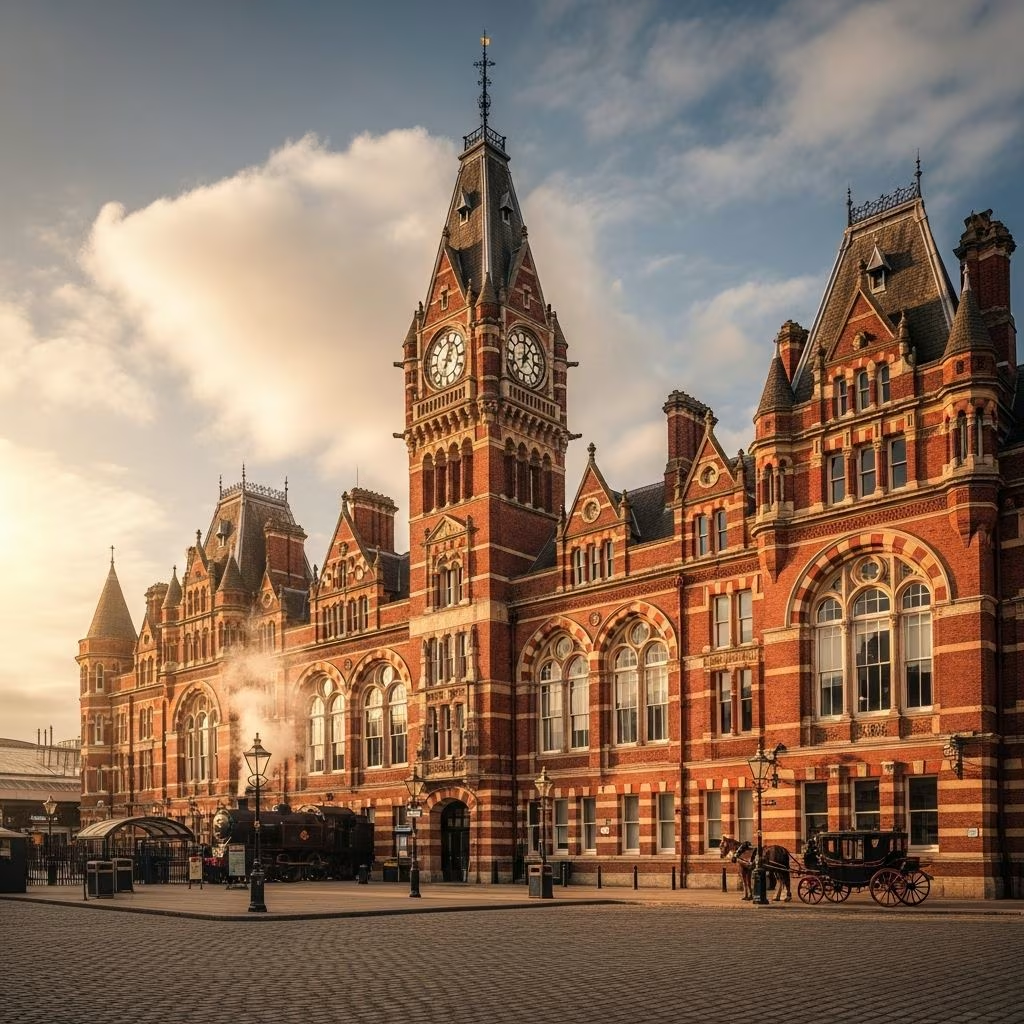
One of England’s most recognizable railway stations features a distinctive red brick facade crowned with ornamental spires reaching skyward. Designed by a celebrated architect in the 1860s, this station opened in 1868 as a connection linking London with northern industrial cities. Today, it functions as the United Kingdom’s primary rail gateway to continental Europe, serving millions of travelers annually. The Gothic Revival styling creates a dramatic presence within the urban landscape, with carefully detailed brickwork and stonework commanding attention from passersby.
The architectural language employed in this station differs markedly from the utilitarian approach common to many Victorian industrial buildings. Rather than hiding functional elements, the design celebrates them, turning practical necessities into visual features. The spires and decorative elements serve no structural purpose yet communicate aspiration and grandeur. This approach influenced subsequent station designs throughout the country, demonstrating how transportation infrastructure could elevate civic aesthetics.
Another London terminus, opening in 1852 as the London destination for a major northern railway company, exemplifies the principle of purposeful simplicity combined with striking contemporary aesthetics. The architect envisioned a structure that would be straightforward in function yet remarkable in appearance. Rather than employing ornamental excess, the design relies on elegant proportions and innovative use of materials to create visual impact. The station demonstrates how restraint and clarity can produce architectural significance without resorting to Gothic or classical decoration.
This station’s design philosophy influenced modern station development globally. By prioritizing functionality while maintaining aesthetic consideration, the architects created a template for efficient yet beautiful transportation architecture. The station’s success proved that Victorian-era design could achieve both practical excellence and visual distinction through thoughtful composition rather than ornamentation.
In Yorkshire, one station building has been specifically praised for its exceptional facade by a renowned poet and cultural commentator as representing
