

 Travel Essentials
 Travel Essentials

Discover premium comfort items and travel accessories that frequent flyers rely on to stay comfortable during long flights and frequent trips.
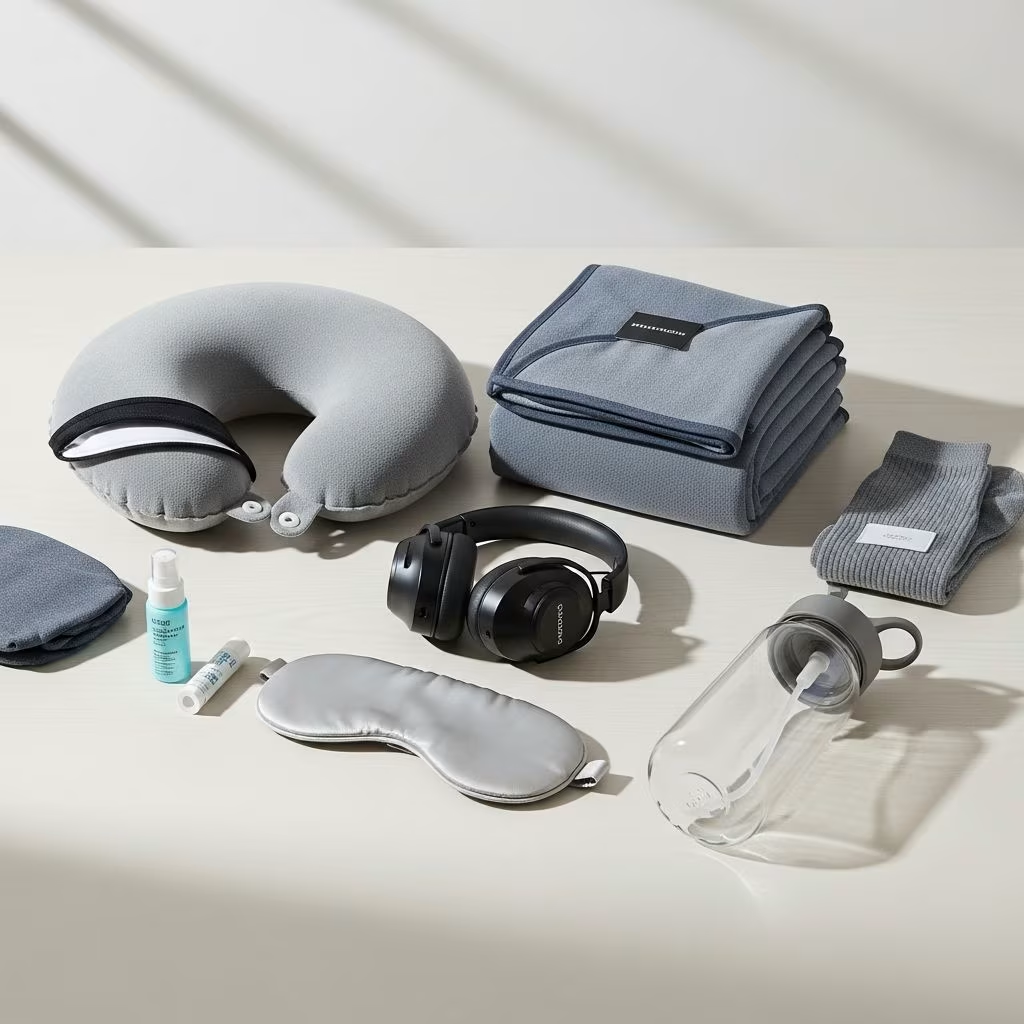 Travel Essentials
Air travel has become a routine part of modern life for millions of people, yet the comfort level during flights remains a significant challenge. Whether you’re a business executive who spends more time in airports than at home or an occasional leisure traveler seeking ways to arrive refreshed, understanding which comfort items genuinely make a difference can transform your flying experience. Frequent flyers have learned through countless hours in the air which products deliver real benefits and which fall short of expectations. This guide explores the comfort essentials that experienced travelers prioritize, based on practical insights from those who fly regularly.
Modern aircraft cabins present a unique environment that challenges human comfort. The pressurized cabin, dry recirculated air, cramped seating configurations, and extended periods of immobility create multiple factors that can leave passengers fatigued, dehydrated, and irritable. The average cabin humidity level hovers around 10-20%, significantly lower than the recommended 30-65% range for human comfort. Additionally, the combination of altitude, reduced oxygen levels, and cabin pressure changes affects sleep quality and physical well-being.
Frequent flyers recognize that passive acceptance of these conditions is unnecessary. Through trial and error, they’ve identified strategic investments in comfort-enhancing gear that meaningfully improve the flying experience. These aren’t luxury indulgences but practical tools that address the physiological and psychological challenges of air travel.
Quality sleep during flight represents one of the most valuable comfort upgrades available. For business travelers and long-haul passengers, the ability to rest effectively can determine productivity levels and recovery speed upon arrival. Sleep masks have emerged as one of the most underrated yet effective comfort tools. Unlike the thin, uncomfortable masks provided by airlines, premium sleep masks feature padded designs that don’t create pressure on the eyes, allowing for genuine darkness without discomfort.
The benefits extend beyond simple light blocking. A quality sleep mask signals to your brain that it’s time to rest, helping establish the psychological conditions necessary for sleep. This becomes particularly valuable on overnight flights where cabin lighting and crew activities constantly threaten to disrupt slumber. The modest investment in a comfortable mask pays dividends through improved rest quality and reduced jet lag symptoms.
Neck pillows complement sleep masks by providing cervical support during long periods of sitting. The most effective designs maintain neck alignment while avoiding the bulky appearance of traditional U-shaped pillows. Memory foam constructions that conform to individual neck contours offer superior support compared to generic alternatives. When properly positioned, quality neck support reduces strain on the neck and shoulders, enabling more restful sleep and reducing post-flight stiffness.
The cabin environment generates constant background noise from engines, ventilation systems, and other passengers. This ambient noise disrupts sleep, impairs concentration, and creates mental fatigue throughout flights. Noise-cancelling headphones address this challenge by actively reducing low-frequency sounds while allowing important announcements to remain audible.
The technology works by generating inverse sound waves that counteract engine noise and similar ambient sounds. Quality noise-cancelling headphones can reduce perceived noise levels by 15-30 decibels, creating a significantly quieter personal environment. This noise reduction enables better sleep, improved focus for work or entertainment, and reduced stress during flights.
Frequent travelers distinguish between casual-use headphones and true aviation-grade models. The best options for air travel feature comfortable ear cups suitable for extended wear, effective noise cancellation across the frequency spectrum typical of aircraft cabins, and sufficient battery life for long-haul flights. Wireless connectivity allows freedom of movement, while some premium models include features like transparency modes that let travelers hear important announcements or crew communications.
The cabin’s extremely low humidity levels create significant challenges for skin health and overall hydration. Despite the accessibility of in-flight beverages, many passengers experience dehydration that manifests as dry skin, irritated sinuses, and fatigue. Strategic hydration involves both internal and external approaches.
Hydration begins with intentional fluid consumption. Frequent flyers often bring refillable water bottles to fill after security screening, ensuring constant access to water without relying on flight attendant service intervals. The practice of drinking water consistently throughout a flight—approximately 8 ounces per hour of flight time—significantly impacts energy levels and reduces jet lag symptoms.
External hydration through skincare products becomes equally important. Facial mists and hydrating serums provide moisture to facial skin, while lip balm prevents the uncomfortable chapping that occurs during flights. Some experienced travelers apply intensive moisturizing masks toward the end of long flights to provide concentrated hydration and arrive with healthier-appearing skin. Nasal saline rinses help maintain sinus moisture and prevent the congestion and discomfort common during and after flights.
Extended periods of sitting impair circulation, particularly in the lower legs and feet. This circulatory compromise can lead to swelling, discomfort, and in rare cases, dangerous blood clots. Compression garments address this challenge by applying graduated pressure that encourages blood flow back toward the heart.
Compression socks and leggings have evolved significantly from their medical origins. Modern options combine functional compression with fashionable designs suitable for workplace or casual wear. The graduated compression system applies maximum pressure at the ankle, decreasing toward the knee or thigh. This pressure gradient helps counteract the natural fluid pooling that occurs during prolonged sitting.
The benefits extend beyond circulation improvement. Many travelers report reduced leg swelling, less discomfort upon arrival, and improved energy levels when wearing compression garments during flights. For business travelers who need to look polished upon arrival, compression leggings that resemble regular fashion leggings provide functional benefits without the medical appearance of traditional compression wear.
Comfort extends beyond personal care to encompass practical luggage solutions that reduce travel stress. Compression bags maximize luggage space, eliminating the frustration of overstuffed suitcases. By removing excess air from clothing and soft items, vacuum compression bags can increase packing capacity by 50-75%, allowing travelers to fit more items in smaller luggage or pack more efficiently.
Lightweight wheeled luggage reduces physical strain, particularly for travelers navigating airports with multiple connections. The difference between a traditional heavy suitcase and a modern lightweight option may only be a few pounds, but these weight savings accumulate significantly across multiple airport journeys. Quality wheels that roll smoothly and handle uneven surfaces reduce effort and frustration throughout the travel process.
Organizational accessories within luggage contribute to travel comfort by enabling quick access to needed items without unpacking entire suitcases. Packing cubes compartmentalize clothing and items, making it easy to locate specific pieces. This organization reduces the chaos of hotel rooms or hotel stays and maintains some semblance of order when traveling continuously.
The garments worn during flights significantly impact comfort levels. Tight, restrictive clothing that looks polished in normal settings becomes increasingly uncomfortable during hours of sitting. Experienced flyers prioritize breathable, stretchy fabrics that accommodate movement and body changes during flight.
Many frequent travelers adopt a strategic layering approach. Cabin temperatures fluctuate, and personal comfort preferences vary widely. A base layer of breathable fabric, topped with a lightweight cardigan or jacket, provides flexibility to adjust clothing as cabin conditions change. This layering strategy prevents the common experience of being too cold initially, then too warm after movement and activity increases body temperature.
Comfortable footwear deserves particular attention. Shoes that slip on easily for security checkpoints, accommodate swelling that occurs during flights, and provide appropriate support during airport navigation make a meaningful difference in travel experience. Many travelers choose slip-on styles to simplify security procedures and make in-flight shoe removal and repositioning easier.
Extended travel can leave passengers feeling grimy and uncomfortable, particularly on long-haul international flights. Strategic personal care products help maintain freshness and confidence throughout the journey. Travel-sized dry shampoo refreshes hair without requiring water access. Facial cleansing wipes remove buildup and environmental residue that accumulates during flights. Deodorant touch-ups maintain freshness, while breath fresheners help with the self-consciousness many travelers feel during close quarters with fellow passengers.
Many experienced travelers pack a small kit with these essentials rather than relying on airport retail options. Pre-flight preparation ensures these items are available exactly when needed, without the markup prices typical of airport shops.
Modern air travel increasingly involves technology usage for work, entertainment, and communication. Portable power banks ensure devices remain charged throughout flights and airport connections. Quality power banks provide multiple full charges for phones or tablets, extending entertainment options and maintaining connectivity for productivity-focused travelers.
Charging cables and adapters designed specifically for travel—compact, durable, and featuring multiple connection types—prevent the frustration of incompatible or forgotten chargers. Some experienced travelers carry both wired and wireless charging options to accommodate various situations and device types.
| Comfort Category | Budget Option | Premium Option | Value Consideration |
|---|---|---|---|
| Sleep Mask | Generic airline-style mask ($5-10) | Padded contoured mask ($20-40) | Premium provides better comfort and sleep quality |
| Neck Pillow | Traditional U-shaped pillow ($15-25) | Memory foam ergonomic design ($40-70) | Premium prevents post-flight neck strain |
| Compression Socks | Basic compression ($10-15) | Fashionable compression leggings ($30-60) | Premium allows office-appropriate wear |
| Noise-Cancelling Headphones | Basic noise-isolation earbuds ($50-100) | Premium noise-cancelling headphones ($200-400) | Premium technology significantly improves experience |
Quality sleep infrastructure—combining a comfortable sleep mask, neck pillow, and noise-cancelling headphones—provides the most comprehensive comfort improvement. These three items work synergistically to create optimal conditions for rest during flights.
Compression garments improve circulation and reduce swelling during extended sitting. While they support circulatory health, they’re not guaranteed prevention of blood clots. Extended air travel combined with compression garment use, frequent movement, and hydration creates the most protective environment for circulatory health.
For frequent flyers who spend significant time in the air annually, premium comfort items provide return on investment through improved sleep quality, reduced physical strain, and better overall travel experience. Business travelers and frequent leisure flyers typically find premium options worthwhile.
Empty bottles pass through security screening. Filling them at airport water fountains or designated refill stations after screening ensures access to fresh water throughout flights without TSA complications.
Creating an effective travel comfort system requires considering individual needs, flight frequency, and trip types. Business travelers might prioritize items supporting productivity and professional appearance, while leisure travelers might emphasize relaxation and rest. The key principle remains consistent: strategic comfort investments reduce the physical and mental demands of air travel, enabling arrival at destinations feeling better prepared to engage with activities and responsibilities.
Starting with foundation items—quality sleep mask, neck support, and hydration supplies—then adding complementary products based on personal preferences builds a customized comfort system. Many experienced travelers refine their approach over multiple trips, discovering which items provide genuine benefits versus which seemed promising but underperform.
