

Food & Culture Stays Travel Essentials Travel Guides Trip Ideas
Categories
From the Blog
Remy’s Ratatouille Adventure at EPCOT: Ride Review, Tips & 2D Update
Travel Essentials

Ethical Elephant Sanctuaries in Thailand: Where to Visit Responsibly

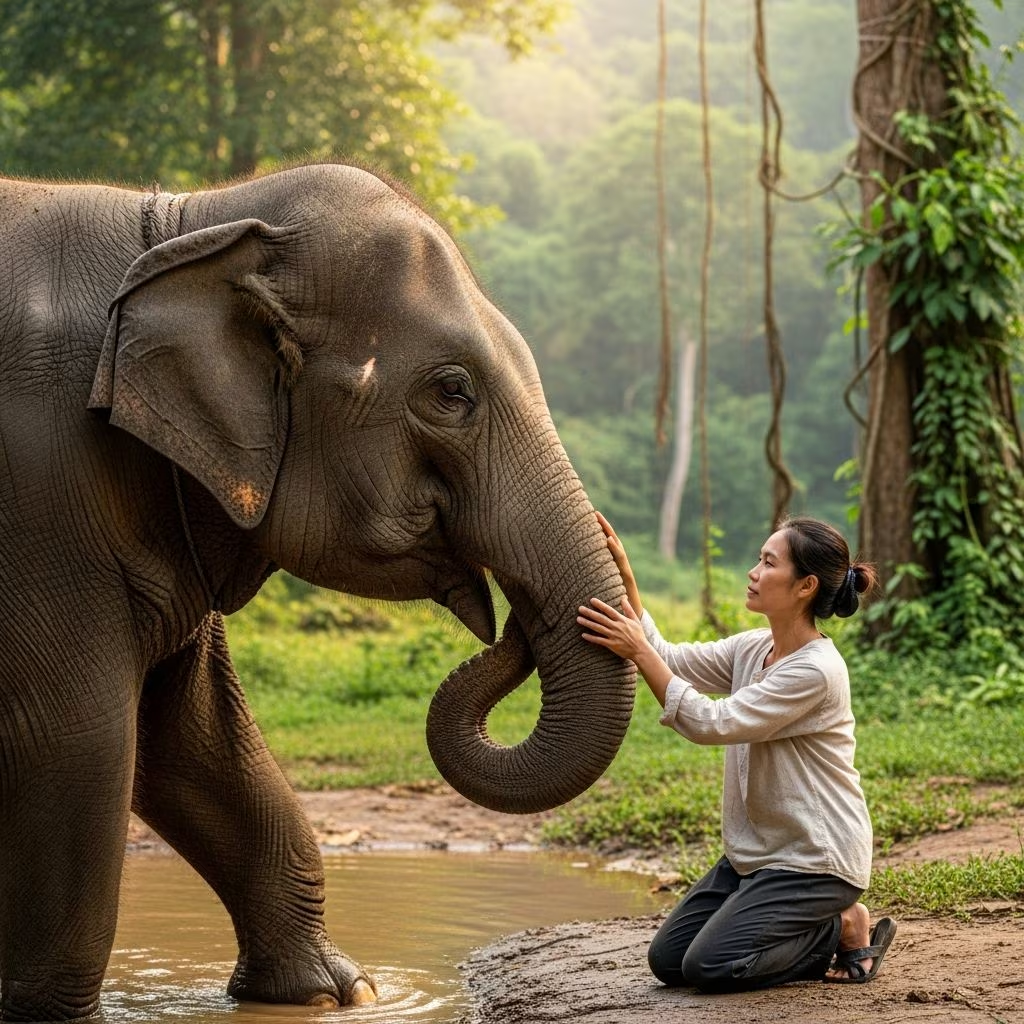
Explore responsible elephant sanctuaries in Thailand that prioritize animal welfare over tourism. No riding or bathing—observe majestic elephants in natural habitats while supporting conservation efforts.
Travel Essentials

Thailand’s elephants have long been symbols of strength and grace, but many have suffered from logging, circuses, and exploitative tourism. Today, ethical sanctuaries offer a humane alternative, allowing visitors to observe these magnificent animals in near-natural settings while funding their rehabilitation. These facilities rescue abused elephants, provide lifelong care, and educate tourists on conservation, transforming travel into a force for good.

The Rise of Responsible Elephant Tourism

Thailand hosts over 4,000 captive elephants, many retired from grueling work. Ethical sanctuaries emerged as a response to unethical practices like riding camps and shows. Pioneered in northern regions, these havens emphasize minimal human interference, enabling elephants to forage, bathe, and socialize freely. Visitors contribute through observation-only programs, ensuring welfare remains paramount.

Key drivers include growing traveler awareness and advocacy from organizations like World Animal Protection. Sanctuaries now dot the landscape from lush northern forests to southern islands, each tailored to local ecosystems while adhering to no-contact policies.

Why Choose Ethical Over Traditional Encounters?

Conventional elephant camps often chain animals, force performances, and use hooks for control, causing chronic injuries. Ethical sites ban such abuses, focusing on rehabilitation. Benefits include:

  • Animal Freedom: Elephants roam expansive areas, exhibiting natural behaviors like mud bathing and family bonding.
  • Health-Focused Care: Veterinary attention for old wounds, dental issues, and psychological trauma from years of labor.
  • Educational Value: Guides share rescue stories, raising awareness about illegal ivory trade and habitat loss.
  • Sustainable Funding: Visitor fees directly support food, habitat maintenance, and further rescues.

By selecting ethical options, travelers reject exploitation and bolster conservation, potentially reducing demand for abusive venues.

Top Ethical Elephant Sanctuaries by Region

Thailand’s diverse geography hosts sanctuaries suited to various travel itineraries. Here’s a curated selection, organized regionally for easy planning.

Northern Thailand: Chiang Mai and Beyond

The north, with its misty mountains and rivers, is home to trailblazing facilities.

  • Elephant Nature Park (Chiang Mai): Founded by advocate Lek Chailert, this 250-acre haven rescues over 100 elephants from begging, trekking, and circuses. Day visits include feeding from platforms and guided walks; overnight stays immerse guests in sanctuary life. It’s a model for holistic care, also sheltering dogs, cats, and buffalo.
  • Burm and Emily’s Elephant Sanctuary (BEES, Chiang Mai): A smaller, eco-focused refuge for elderly and injured elephants. Self-sustaining with homegrown food and solar power, it limits visitors for tranquility. Homestays with Karen communities add cultural depth.
  • Kindred Spirit Elephant Sanctuary (Chiang Mai): Emphasizes natural living in forested hills. No feeding or bathing; pure observation. Unique homestay with indigenous families offers authentic meals and insights into elephant-human coexistence.
  • ChangChill (Chiang Mai): Reformed from a riding camp, now fully ethical post-2017. Elephants relax in vast enclosures; visitors learn via talks and ethical feeding sessions.

Southern Islands and Coasts: Phuket, Samui, and Khao Lak

Southern tropical paradises provide jungle-edge retreats.

  • Phuket Elephant Sanctuary (Phuket): Phuket’s first ethical site on 30 acres near Khao Prae Teaw National Park. Rescued workers bathe in lagoons; treetop decks allow discreet viewing. No-touch policy, with feeding as sole interaction.
  • Samui Elephant Sanctuary (Koh Samui): Island pioneer housing a dozen rescues on 10 forested acres. Watch foraging and pool play; inspired by northern leaders, it prioritizes observation.
  • Khao Lak Elephant Sanctuary (Phang Nga): Coastal haven for elephants from tough backgrounds. Guided tours highlight welfare standards and natural behaviors.

Central and Western Regions: Kanchanaburi and Sukhothai

  • Somboon Elephant Sanctuary (Kanchanaburi): Near Bangkok, home to three rescues. Features an interactive museum on conservation; prepare foods and observe in riverine settings.
  • Boon Lott’s Elephant Sanctuary (BLES, Sukhothai): Remote forest refuge named for a saved calf. Low visitor caps ensure elephant-first operations; profits fuel broader conservation.
  • WFFT Thai Elephant Refuge (Hua Hin): Part of Wildlife Friends Foundation; meet-and-feed without rides or baths. Actively combats exploitation.

How to Spot a Truly Ethical Sanctuary

Labels can mislead—Thailand lacks strict ‘sanctuary’ regulations. Use this checklist to vet options:

Green FlagsRed Flags
Elephants roam freely in large areasRiding or sitting on elephants
Observation platforms, no direct contactBathing, touching, or posing with elephants
Rescue stories with verifiable historiesBaby elephants (suggests breeding)
No chains, hooks, or performancesTricks like painting or sports
Limited visitors per dayConfined enclosures or chains
Transparent operations and vet careOvercrowded, unnatural diets

Research independently, check reviews for authenticity, and confirm no affiliation with riding camps.

Planning Your Visit: Practical Tips

Book directly via official sites to avoid fakes. Expect half- or full-day programs (1,500-3,000 THB/~$45-90 USD), including transfers, meals, and insurance. Wear modest clothing, sturdy shoes, and sunscreen; vegetarian/vegan food is standard.

  • Best Time: Cool season (Nov-Feb) for comfort.
  • What to Bring: Reusable water bottle, hat, insect repellent.
  • Family-Friendly: Most welcome kids over 4; educational for all ages.
  • Accessibility: Varied terrain; inquire for needs.

Combine with national parks or cultural sites for fuller itineraries.

FAQs

Are elephant sanctuaries safe for visitors?

Yes, ethical ones prioritize safety with trained staff and barriers. Elephants are observed at distance to prevent stress.

Can I volunteer or stay overnight?

Many offer volunteering (1-4 weeks) or homestays. Requirements include fitness and commitment; apply early.

How do sanctuaries fund operations?

Primarily visitor fees, donations, and sponsors. Ethical ones shun government logging subsidies.

Is it okay to feed elephants?

Controlled feeding from platforms is common and safe, mimicking natural foraging without hooks.

What if a sanctuary claims to be ethical but has red flags?

Skip it—support verified ones to drive industry change.

Conservation Impact and Future Outlook

These sanctuaries have rescued hundreds, influencing policy and tourism shifts. Challenges persist: wild populations dwindle from poaching and deforestation. Visitors amplify change by sharing stories and choosing responsibly. As demand grows, more facilities convert, promising a brighter future for Thailand’s elephants.

Support extends beyond visits—donate, advocate, and spread awareness for lasting impact.

References

  1. Samui Elephant Sanctuary — Samui Elephant Sanctuary. Accessed 2026. https://www.samuielephantsanctuary.org
  2. Phuket Elephant Sanctuary — Phuket Elephant Sanctuary. Accessed 2026. https://www.phuketelephantsanctuary.org
  3. Elephant sanctuaries which we do & don’t support — Responsible Vacation. Accessed 2026. https://www.responsiblevacation.com/vacations/elephant-conservation/travel-guide/elephant-sanctuaries-which-we-do-and-dont-support
  4. Elephant Nature Park — Elephant Nature Park. Accessed 2026. https://www.elephantnaturepark.org
  5. Find an ethical elephant sanctuary in Thailand — Responsible Thailand. Accessed 2026. https://responsiblethailand.com/find-an-ethical-elephant-sanctuary-in-thailand/
  6. 7 Ethical Elephant Sanctuaries in Thailand 2026 — Veggies Abroad. 2026. https://veggiesabroad.com/ethical-elephant-sanctuaries-in-thailand/
  7. 8 Ethical Elephant Sanctuaries to Visit in Thailand — Odynovo Tours. Accessed 2026. https://www.odynovotours.com/thailand/elephant-sanctuaries.html
  8. Khao Lak Elephant Sanctuary — Phang Nga Elephant Park. Accessed 2026. https://phangngaelephantpark.com/khao-lak-elephant-sanctuary/
ME
medha deb
Medha Deb is an editor with…

Medha Deb is an editor with a master's degree in Applied Linguistics from the University of Hyderabad. She believes that her qualification has helped her develop a deep understanding of language and its application in various contexts. Medha specializes in the areas of beauty, health, sports, and wellness and is committed to ensuring that the content on the website is of the highest quality.Medha's passion for writing and editing began early in life when she joined a book writer's club with her mother. It was there that she discovered her love for the written word and the power it holds to inform, inspire, and transform lives. Since then, she has honed her skills as a writer and editor, working with a variety of clients and publications to produce compelling and informative content. Currently, she writes and edits for CultureTreker.She is also an ardent animal lover and dedicates her time and resources to the foster care of neonatal kittens, providing them with the love and attention they need to thrive. Her commitment to animal welfare is a testament to her compassion and empathy, and it underscores her belief in the importance of caring for the most vulnerable members of our society.

← Previous
Best Things to Do in Chiang Mai with Kids: Family Travel Guide
‹›
