

 Travel Essentials
 Travel Essentials

Learn to identify responsible elephant tourism options in Thailand, from no-ride policies to mahout training, ensuring your visit aids animal welfare and local communities.
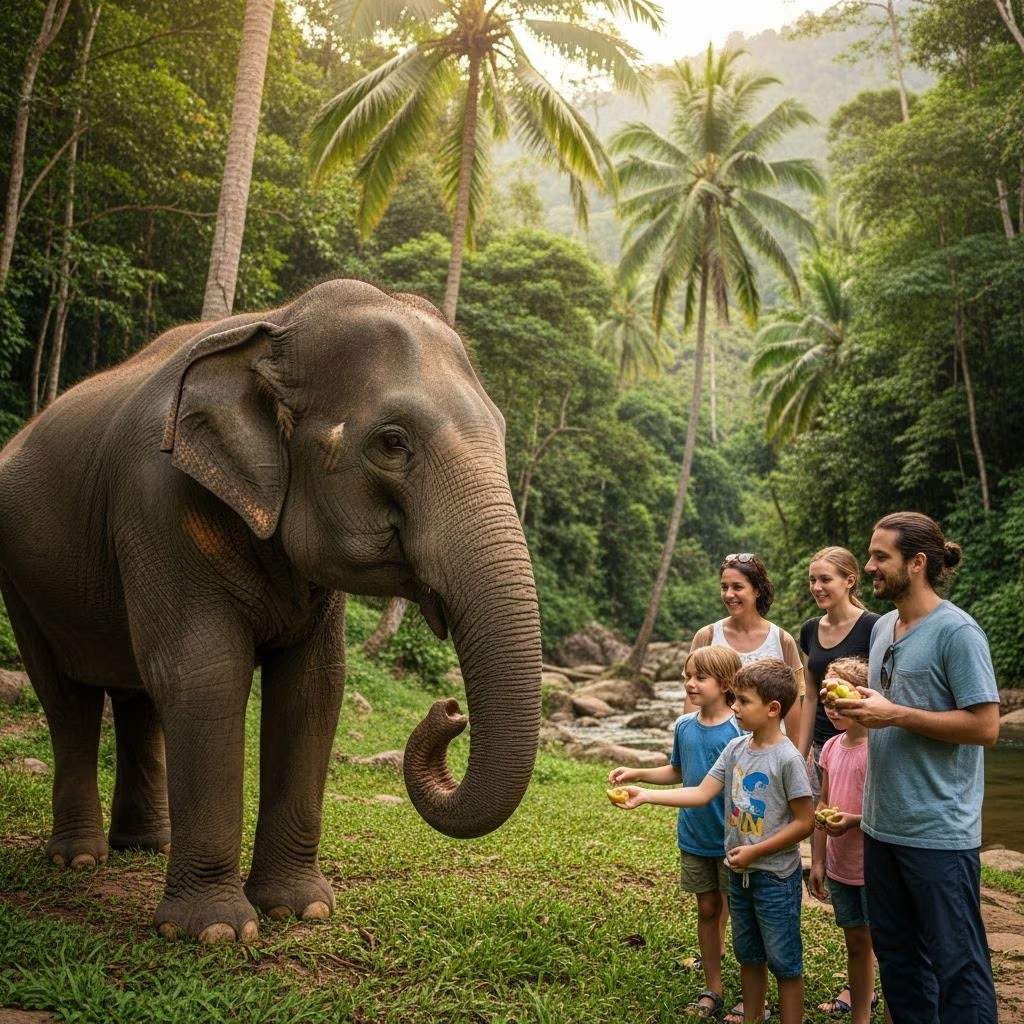 Travel Essentials
Thailand’s elephant tourism industry offers visitors unparalleled opportunities to connect with these majestic animals, but not all experiences treat them humanely. Responsible choices involve selecting facilities that emphasize natural behaviors, rehabilitation, and long-term care over exploitative activities like riding or shows. This guide equips travelers with knowledge to make informed decisions, drawing from established conservation practices across key regions like Chiang Mai, Phuket, and Kanchanaburi.
Thailand is home to both wild and captive elephants, with the latter facing unique challenges. Domesticated elephants are legally classified as livestock, preventing their release into the wild due to habitat loss and human-elephant conflicts. Ethical tourism supports their welfare through sanctuaries that provide veterinary care, proper diets, and freedom from chains during the day.
Captive elephants often retire from logging or tourism, requiring lifelong care. Sanctuaries address this by integrating visitor fees into sustainable models that benefit elephants, mahouts (elephant keepers), and local communities. Regions like northern Chiang Mai host numerous facilities, while southern areas like Phuket feature coastal rehabilitation centers.
Ethical encounters prioritize the animals’ physical and mental health. Key principles include:
These standards ensure visits contribute positively, fostering environments where elephants exhibit natural behaviors like mud bathing and herd interactions.
Not every ‘sanctuary’ upholds high standards; the term lacks regulation in Thailand. Beware of:
Facilities promoting selfies with elephants or unlimited touching prioritize profit over care. Cross-check reviews on independent platforms and verify no affiliation with unethical camps.
Thailand boasts vetted sanctuaries excelling in welfare. Here’s a curated selection:
| Sanctuary | Location | Key Features | Visitor Activities |
|---|---|---|---|
| Elephant Nature Park | Chiang Mai | 75+ rescued elephants; founded by conservationist Lek Chailert; rainforest setting. | Observation, feeding prep, education tours; volunteering options. |
| Phuket Elephant Sanctuary | Phuket | Rescued from tourism/logging; treetop decks; phasing out hand-feeding by 2026. | Observation from platforms; learn about rehab. |
| Elephant Haven | Kanchanaburi | Former trekking camp reformed; jungle walks; overnight stays. | Forage prep, walking alongside, animal care. |
| Chai Lai Orchid | Chiang Mai | Community-focused; ethnic minority employment; vet care emphasis. | Guided walks, cultural education, no chains daytime. |
| Hidden Forest | Phuket | Low visitor numbers; forest habitat; rescued handful. | Forest following, birdwatching integration. |
| Elephant Hills | Khao Sok NP | Chain-free jungle roaming; glamping camps. | Kayaking, trekking, ethical observation. |
These venues limit group sizes to minimize stress, often partnering with organizations like World Animal Protection for certification.
Research thoroughly by inquiring:
Mahout training is crucial; ethical sites educate keepers on positive reinforcement over domination.
Many sanctuaries, like those with Karen hill tribes, intertwine elephant care with cultural preservation. Visitors learn weaving, cooking, or farming, while funds employ locals. This model breaks poverty cycles driving elephant exploitation, creating shared prosperity.
For instance, Elephant Freedom Village in Chiang Mai offers 90% free-roam time for elephants alongside hill tribe immersion, fostering mutual respect.
Best Times: Dry season (Nov-Feb) for comfortable weather; book 1-2 months ahead for popular spots.
Costs: Day visits THB 2,500-3,500 (~USD 70-100); include transport, meals.
What to Bring: Sunscreen, insect repellent, modest clothing, reusable water bottle.
Duration: Half-day minimum; multi-day volunteering for deeper impact.
Combine with eco-lodges for low-impact stays, supporting broader conservation.
Most experts advise against it; it disrupts natural behaviors and risks injury. Opt for observation.
Yes, many like Elephant Nature Park offer 1-7 day programs preparing food and cleaning habitats.
No; verify no-ride policies. ChangChill and Burm & Emily’s are endorsed.
Avoid; it often involves hooks or unnatural control. True ethics focus on learning without handling.
Fees fund lifelong care, land acquisition, and anti-poaching, as wild habitats shrink.
Extend responsibility to other activities: choose reefs over speedboats, forests over ATVs. Support IUCN-listed sanctuaries and boycott ivory souvenirs. Ethical elephant visits model sustainable travel, influencing Thailand’s tourism evolution toward welfare-first paradigms.
