

 Travel Essentials
 Travel Essentials

Learn how to observe bears, wolves, wolverines, and seals responsibly while visiting Finland's pristine wilderness and supporting conservation efforts.
 Travel Essentials
Finland’s vast expanses of pristine forest create an ideal setting for encountering some of Europe’s most impressive wildlife. The Nordic nation has cultivated a reputation for combining authentic wildlife experiences with strong ethical standards and conservation principles. Visitors seeking to observe large predators, elusive mammals, and endangered species can do so while knowing that their activities support rather than harm these populations.
The foundation of responsible wildlife tourism in Finland rests on a deeply rooted cultural connection between Finns and their natural environment. Unlike many destinations where wildlife tourism can contribute to habitat degradation or animal stress, Finland has implemented comprehensive frameworks to ensure that human observation of animals occurs within strict ethical boundaries. The country’s approach reflects a commitment to maintaining wild animals in their natural habitats rather than relocating them for entertainment or tourism purposes.
Finnish Lapland, in particular, has established guidelines that prioritize animal welfare and environmental protection. These standards are not merely recommendations but reflect a broader societal commitment to sustainable practices. Tour operators working in the region understand that short-term profit from unethical animal tourism creates long-term damage to both ecosystems and wildlife populations.
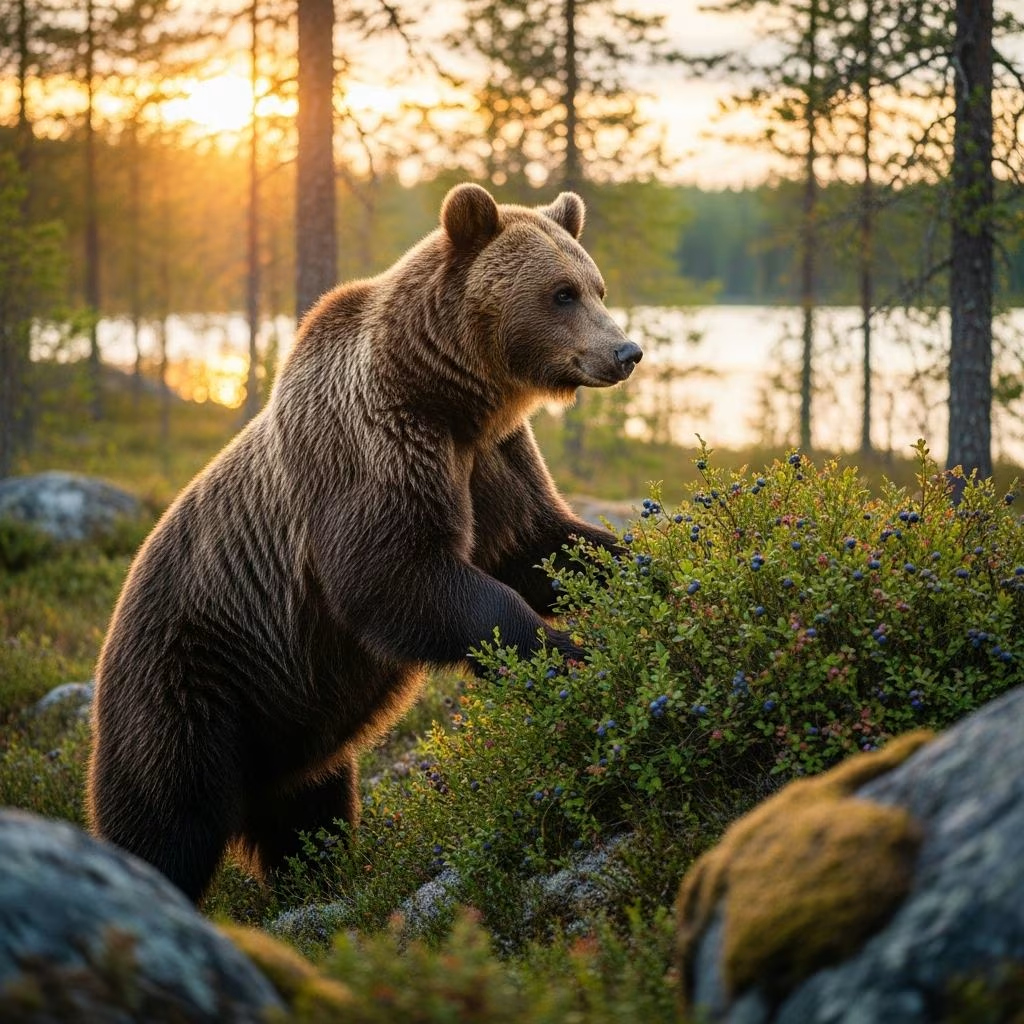
Brown bears represent one of Finland’s most sought-after wildlife viewing opportunities. Observing these magnificent creatures requires patience, proper timing, and experienced guidance. The viewing experience typically takes place from specially constructed hides positioned at strategic locations where bears naturally traverse during their feeding and movement patterns. Multiple accommodation options cater to different preferences and budgets, from communal observation structures to private lodges designed for photographers and families.
The advantage of group hides is the social aspect and reduced cost, while private hides offer enhanced photographic opportunities and a more intimate experience with nature. Midsummer’s extended daylight hours create ideal conditions for photography enthusiasts, as the white nights provide excellent natural lighting during peak bear activity periods.
Wolves represent among the most elusive and thrilling wildlife subjects in European forests. Eastern Finland, particularly near the Russian border in regions like Lentiira, has emerged as a premier destination for wolf observation. These reticent predators have naturally recolonized Finnish territory since the early 2000s, gradually expanding their range from Russia as ecosystems have stabilized.
The probability of wolf sightings from established hides reaches remarkably high levels during the optimal season from June through September, with sightings occurring four to five nights weekly during peak periods. Extended multi-day stays substantially increase observation opportunities. Beyond wolves, these same locations frequently provide encounters with brown bears, wolverines, reindeer, moose, and occasionally the rare Siberian flying squirrel. The region’s avian diversity adds another layer of interest, with golden eagles, white-tailed eagles, woodpeckers, and various songbird species regularly visible.
Finland ranks among the world’s few locations where observing wild wolverines remains a realistic possibility. These solitary, remarkable creatures belong to the mustelid family alongside weasels and badgers. Despite their relatively small size, wolverines possess extraordinary strength and combat skills, regularly engaging animals substantially larger than themselves, including wolves, moose, and bears.
Their endangered status in Finland makes sightings particularly precious. Wolverines demonstrate surprising year-round activity across Finland’s forests, with sighting probabilities particularly high at dedicated facilities like Erä-Eero Wildlife Centre in Lieksa, North Karelia. Winter observations prove especially rewarding, as reduced vegetation creates better visibility and animals concentrate in accessible areas.
Among Finland’s most vulnerable wildlife populations, the Saimaa ringed seal represents a conservation success story tempered by ongoing challenges. Once numbering in the thousands, the population declined catastrophically due to hunting and environmental pressures. Current conservation efforts have stabilized numbers at approximately 400 individuals, representing slow but meaningful progress. Sightings remain exceptionally rare, making any encounter profoundly significant.
Seal-watching excursions operate with strict protocols designed to prevent disturbance to this fragile population. Tours departing from Puumala provide access to a local group of approximately 20 seals through eco-friendly boat operations. Nearby Linnansaari National Park offers additional opportunities through guided cruises. Reputable operators maintain considerable distance from animals, necessitating quality binoculars for observation while protecting seals from stress and disruption.
Prospective participants should thoroughly investigate tour operators before committing to excursions. Essential questions include the operator’s conservation philosophy, specific protocols for maintaining distance from animals, years of operational experience, and relationships with local conservation organizations. Established operators demonstrate transparency regarding their practices and can articulate how their activities support rather than undermine population recovery efforts.
Beyond observation-based wildlife experiences, Finland offers direct engagement with domesticated animals through reindeer herding and husky sledding opportunities. These activities provide cultural immersion into traditional Sámi lifestyles while supporting indigenous communities and their traditional practices. However, responsible participation requires understanding animal welfare considerations specific to these interactions.
Modern ethical operators maintain strict standards regarding animal working conditions, rest periods, and overall care protocols. Animals at reputable facilities can withdraw from activities when fatigued, and experienced handlers recognize and respect signals indicating unwillingness to continue. Visitors should observe living conditions, assess whether animals can express natural behaviors, and verify that operators maintain valid animal welfare certifications.
Certain activities and facilities should be avoided entirely. These include wildlife entertainment shows, circuses featuring wild animals, and operations that keep wild species in captivity outside legitimate conservation or research contexts. Lapland specifically prohibits hunting of endangered or threatened species for tourism, and rescue centers typically restrict public access that could interfere with rehabilitation efforts.
Activities involving forced interactions, photography involving animal stress or positioning, and operations lacking transparent information about animal sources represent additional red flags. The presence of unnatural behavioral modifications or obvious signs of confinement often indicates operations prioritizing profit over animal welfare.
Well-managed wildlife tourism creates powerful financial incentives for conservation. Photography-focused hides and wildlife-watching stays that emphasize conservation principles have demonstrably reduced poaching in regions like eastern Finland. Communities derive economic benefits from protecting rather than exploiting wildlife populations, creating sustainable alternatives to destructive practices.
Revenue from responsible tourism funds habitat protection, anti-poaching initiatives, population monitoring, and research programs essential for species recovery. By participating in ethical wildlife experiences, visitors directly support these conservation efforts.
Wildlife visibility varies considerably across seasons. Summer months from June through September offer optimal conditions for wolf, bear, and wolverine observation, with extended daylight hours benefiting photographers. Winter presents unique opportunities for wolverine sightings and provides stark, dramatic landscapes, though cold temperatures and reduced daylight require careful planning.
Multi-day stays substantially improve sighting probabilities compared to brief visits. Facilities often provide necessary equipment rentals including sleeping bags, binoculars, and camera gear, eliminating the need to transport specialized equipment. Early consultation with experienced operators helps visitors select optimal timing for their specific wildlife interests.
Successful wildlife viewing requires patience, flexibility, and realistic expectations. While operators maintain high sighting probabilities during peak seasons, wildlife encounters remain ultimately subject to animal behavior and environmental factors. Reputable guides provide honest assessments of realistic outcome expectations rather than guaranteeing specific sightings.
Professional photography-focused operations employ experienced photographers as guides, substantially enhancing both observational and technical photographic outcomes. Extended stays in multi-day excursions significantly increase encounter probabilities, particularly for elusive species like wolves and wolverines.
