

 Travel Essentials
 Travel Essentials

Explore Europe's top Pride celebrations in 2026, from Berlin's iconic festivals to Amsterdam's canal parades and Mediterranean coastal events.
 Travel Essentials
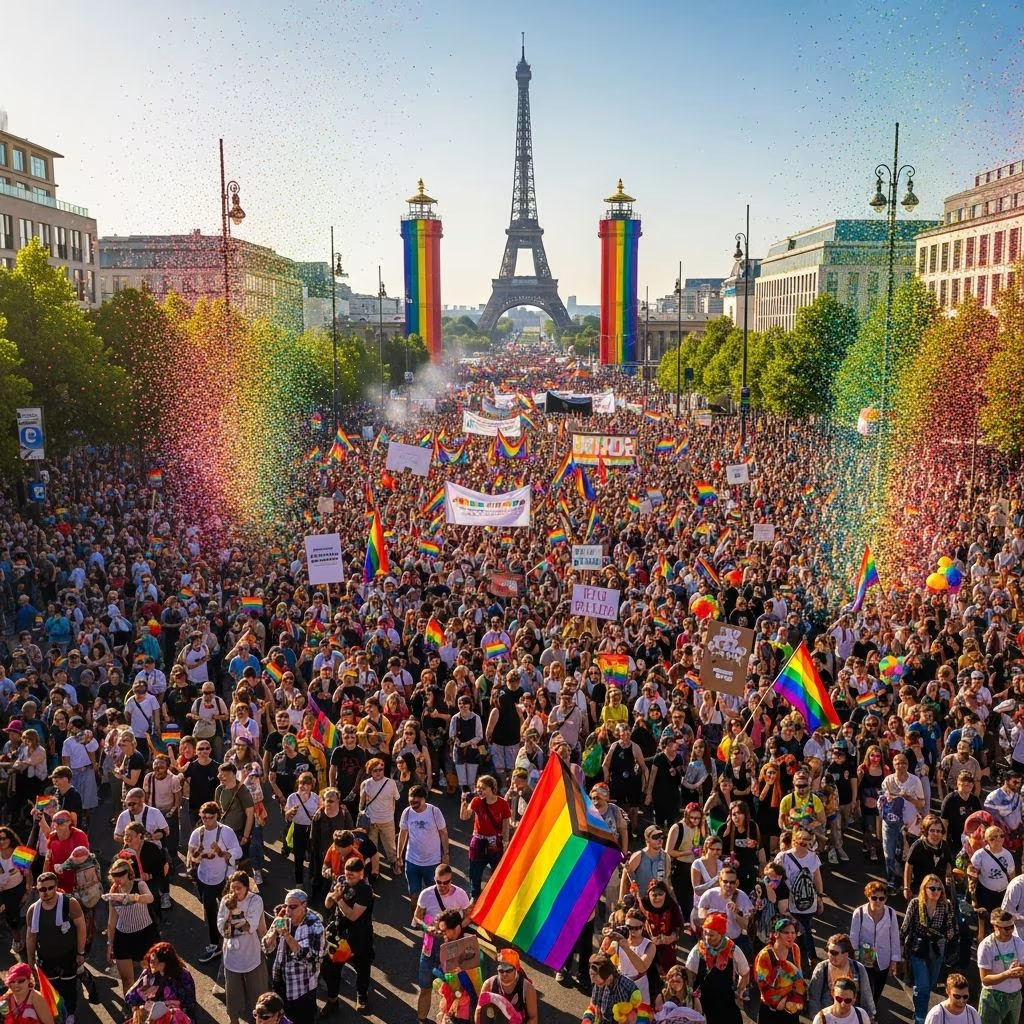
Europe stands as one of the world’s most welcoming destinations for LGBTQ+ travelers and activists, hosting an impressive array of Pride celebrations throughout the year. From late spring through summer, cities across the continent transform into vibrant hubs of celebration, activism, and community gathering. These events combine powerful advocacy for LGBTQ+ rights with joyous festivals featuring parades, live performances, art exhibitions, and social gatherings that attract hundreds of thousands of participants annually.
Germany has established itself as a leader in Pride celebrations, with multiple major festivals occurring throughout spring and summer. The German Pride circuit offers diverse experiences across different cities, each with its own character and scale.
Vienna Pride launches the European season with exhibitions, performances, and community activities throughout late May and early June. The Austrian capital draws hundreds of thousands of visitors for its comprehensive programming. The celebrations feature the renowned Regenbogenparade (Rainbow Parade) that processes along Vienna’s iconic Ringstrasse boulevard, transforming the historic city center into a sea of rainbow flags and celebratory crowds. The Vienna Pride Village provides designated spaces for community gathering, while the Pride Run offers a more active participation option. These events emphasize both celebration and the ongoing struggle for LGBTQ+ equality in Central Europe.
Munich’s Pride celebration extends across two weeks in June, creating an extended festival atmosphere. The city’s multicultural diversity manifests in the variety of events, from political demonstrations to concert performances and social gatherings. The main parade on June 27 represents the climax of festivities, drawing massive crowds through the city’s central streets. This extended timeline allows visitors to experience multiple facets of the celebration rather than attending a single day event.
Cologne Pride stands among Europe’s largest and most energetic Pride events, occurring in early July. The city transforms into a celebration ground with street festivals occupying multiple city zones, cultural performances spanning various entertainment styles, and international DJ sets creating party atmospheres throughout designated areas. The July 5 main parade showcases elaborate floats, performers in spectacular costumes, and thousands of marchers celebrating LGBTQ+ visibility and rights.
Frankfurt Pride in mid-July combines the city’s multicultural character with open-air celebrations and performances. The parade on July 18 highlights Germany’s economic center’s commitment to LGBTQ+ inclusion. Berlin Pride (Christopher Street Day) represents one of Europe’s most extensive Pride festivals, featuring nearly 200 separate events across the city in late July. The Berlin celebration encompasses theatrical productions, comedy performances, art exhibitions, academic lectures, and a week-long circuit of parties culminating in a massive parade on July 25 stretching from Leipziger Straße to the Brandenburg Gate.
Paris Pride (Marche des Fiertés LGBT) occurs in late June, transforming the French capital into a center of LGBTQ+ activism and celebration. Thousands march through central Paris streets toward Place de la République, where festivities continue with performances and speeches. The historic Marais district, traditionally home to Paris’s LGBTQ+ cultural institutions, becomes the epicenter of weekend celebrations with countless bars, restaurants, and venues hosting Pride-related events and parties.
Amsterdam Pride holds special significance as one of the world’s oldest and most established Pride celebrations, occurring in late July and early August. The festival’s defining feature—the canal parade—transforms Amsterdam’s famous waterways into a floating celebration. Decorated boats, barges, and floats process through the canal system while crowds gather along bridges and waterfront areas. This unique format distinguishes Amsterdam Pride from traditional street parades, creating an atmosphere that feels both festive and intimate. The extended festival period allows for comprehensive programming beyond the main parade day.
Copenhagen Pride in August emphasizes visibility, inclusion, and LGBTQ+ rights advocacy alongside entertainment and social gathering. The Danish capital’s Pride celebrations feature colorful parades through city streets, designated Pride Square programming areas, and late-night festivities that extend through the weekend. The Nordic approach to Pride reflects broader Scandinavian values of inclusion and equality.
Barcelona Pride combines Mediterranean beach atmosphere with vibrant urban celebration in mid-July. The Eixample district, centered around Carrer de la Diputació and Carrer de Consell de Cent, serves as the primary LGBTQ+ cultural hub with numerous bars, restaurants, and nightlife venues. Pride events feature open-air concerts at Plaça Universitat and Plaça Catalunya, with the legendary Pride Parade attracting massive crowds. The combination of coastal location, Mediterranean weather, and urban infrastructure creates a distinctive Pride atmosphere.
Rome Pride occurs in June, bringing LGBTQ+ celebration to Italy’s historic capital. The grand parade proceeds through Rome’s breathtaking historic streets, juxtaposing contemporary LGBTQ+ activism with ancient architecture. Cultural events, parties, and community gatherings extend throughout the celebration period, offering visitors opportunities to experience Rome’s LGBTQ+ community and cultural offerings.
Spain hosts multiple Pride celebrations reflecting its diverse regional cultures. Sitges, a Mediterranean coastal town, celebrates Pride in June with a five-day beach-focused festival. Torremolinos on the Costa del Sol hosts Pride celebrations featuring over 30 gay bars and clubs, pride pool parties, boat parties, and beach festivities. These coastal celebrations combine beach culture with LGBTQ+ community gathering in vacation-oriented settings.
The United Kingdom and Ireland maintain strong Pride traditions. Belfast Pride extends throughout July, combining activism with celebration. Cork Pride in Ireland occurs in late July and early August, offering week-long festivities culminating in a vibrant parade through Cork’s city streets. These events represent LGBTQ+ communities in regions with ongoing historical struggles for equality and rights.
Brussels Pride, held in May, marks its 30th anniversary in 2026. The Belgian capital’s celebration commemorates three decades of struggle, pride, and visibility for the LGBTQ+ community, featuring activities promoting LGBTQ+ rights alongside traditional parade elements and celebrations.
Additional Pride celebrations occur throughout Europe in Athens, Hamburg, Strasbourg, and Lyon, each reflecting local LGBTQ+ communities and cultural contexts. Athens Pride in June showcases Greece’s largest LGBTQ+ celebration, while Hamburg and other Northern European cities maintain active Pride traditions. These regional celebrations extend the Pride season across the continent and provide opportunities for celebration in smaller cities and towns.
European Pride celebrations span from May through August, allowing flexibility in planning. Early-summer celebrations in May and June include Vienna, Brussels, and Paris, offering spring travel opportunities. Mid-summer events in July feature the German Pride circuit and Amsterdam, while August brings Copenhagen Pride. This extended timeline permits visitors to choose locations based on personal preference, travel schedules, and desired climate conditions.
Major Pride cities require early accommodation booking, as hotels fill rapidly during celebration periods. Gay-friendly hotels throughout European cities actively welcome LGBTQ+ travelers and often coordinate Pride programming. Ferry services connect many Pride destinations, offering scenic travel alternatives to traditional transportation. Public transportation typically increases service frequency during Pride events to accommodate higher visitor volumes.
European Pride celebrations typically feature multiple elements: main parade days featuring floats, marchers, and performers; designated Pride villages offering food, beverages, and merchandise; live entertainment including musicians and comedians; art exhibitions and cultural programming; debate forums and educational events; and extensive nightlife and party programming extending into late evening hours. Visitors should plan itineraries reflecting personal interests in activism, entertainment, cultural programming, or social experiences.
Europe maintains strong legal protections for LGBTQ+ individuals in most countries, with comprehensive anti-discrimination laws and marriage equality in numerous nations. Pride celebrations operate within legal frameworks protecting freedom of assembly and expression. Local LGBTQ+ communities and tourism organizations provide visitor information and support, ensuring welcoming experiences for all participants regardless of background or nationality.
Berlin Pride and Cologne Pride rank among Europe’s largest Pride celebrations by attendance numbers. Berlin Pride’s 200+ events across the city and Cologne Pride’s massive parade and multiple party zones attract hundreds of thousands of participants annually.
Accommodation should be booked 3-6 months in advance for major Pride celebrations. Popular cities like Berlin, Amsterdam, and Vienna experience high hotel occupancy during Pride periods, with rates increasing significantly and availability becoming limited closer to event dates.
Most European Pride celebrations include family-friendly daytime programming with parades, cultural events, and community activities suitable for all ages. Evening entertainment and party programming typically cater to adult audiences. Families should research specific events to identify age-appropriate programming.
First-time visitors should expect large crowds, vibrant visual displays featuring rainbow flags and colorful decorations, live music and performances, diverse participants representing various LGBTQ+ communities and allies, and a festive atmosphere combining celebration with activism and political awareness.
Many Pride events feature free or low-cost programming including parades, community gatherings, and performances. Smaller cities and regional Pride celebrations often offer more affordable accommodation and dining options compared to major metropolitan centers.
Europe’s Pride celebrations represent far more than entertainment events; they embody ongoing struggles for LGBTQ+ rights, community solidarity, and social progress. Each city’s celebration reflects local history, culture, and values while contributing to a broader continental movement celebrating LGBTQ+ identities and advocating for continued equality. Whether attending Amsterdam’s unique canal parade, experiencing Berlin’s extensive festival programming, or celebrating in Mediterranean coastal settings, visitors participate in meaningful community expressions that honor both celebration and activism.
