

 Travel Essentials
 Travel Essentials

Wildfires are reshaping European travel patterns. Learn how extreme weather impacts destinations, flight operations, and tourist health while preparing for safer journeys.
 Travel Essentials
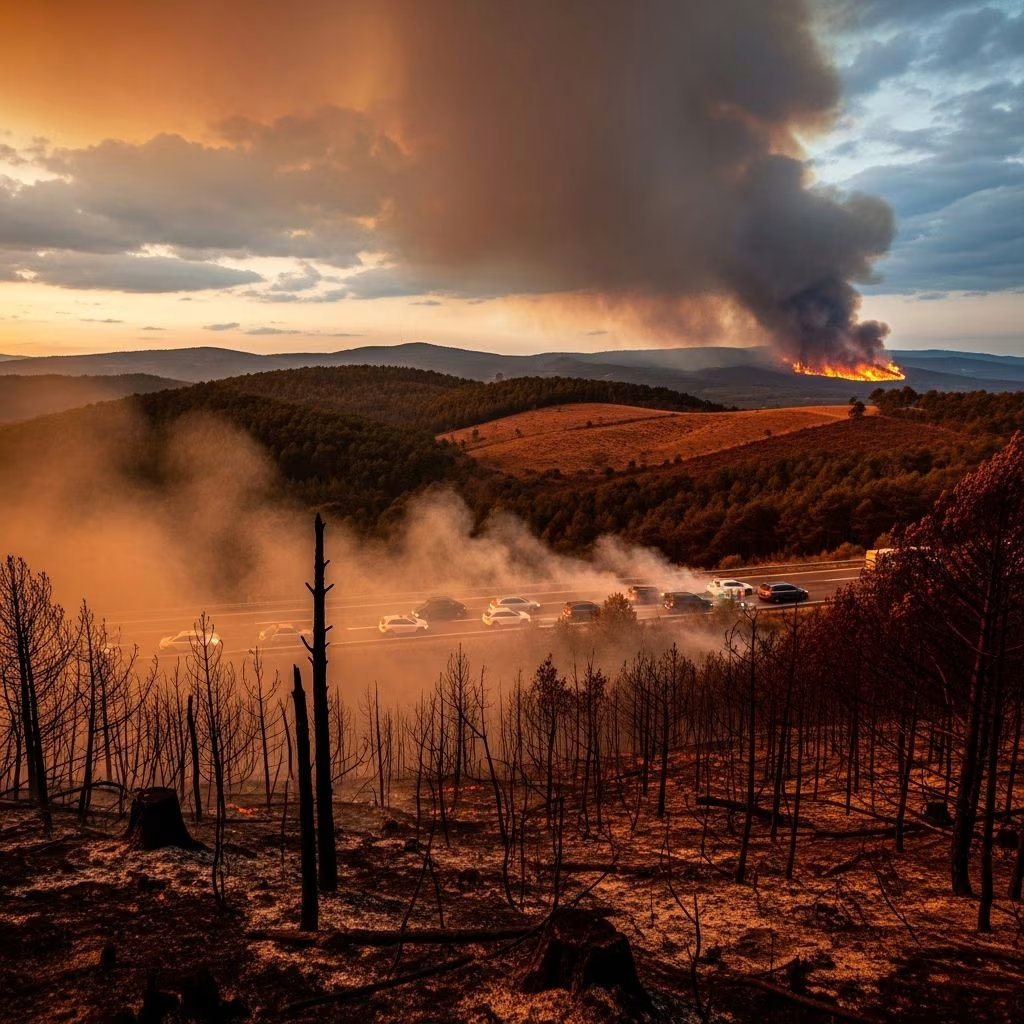
The European travel landscape is undergoing significant transformation as wildfires become more frequent and intense across the continent. What was once considered an occasional seasonal challenge has evolved into a substantial threat affecting vacation plans, flight schedules, and traveler safety. Understanding these dynamics and preparing accordingly has become essential for anyone planning to visit Europe during peak travel seasons.
Southern Europe has emerged as the epicenter of wildfire activity, with regions including Spain, Italy, Greece, Portugal, and Croatia experiencing unprecedented fire seasons. The scale of these fires has expanded dramatically in recent years, with countries throughout the region reporting significant burned acreage. Greece and the islands of Rhodes, Evia, and Corfu have faced particularly devastating wildfires, forcing mass evacuations of both residents and tourists.
The Mediterranean region’s susceptibility to wildfires stems from multiple factors including hot, dry summers, dense vegetation, and increasingly erratic weather patterns driven by climate change. Recent statistics indicate that southern European countries collectively account for more than 85% of total burned areas across Europe, with Spain, Italy, and Greece consistently recording the largest extents of damage.
Wildfires create cascading disruptions throughout the travel infrastructure. Airlines operating from affected regions have implemented emergency protocols, including flight cancellations and rerouting to alternative airports. Major transportation hubs in countries like Germany experienced significant delays, with Munich Airport closing for two days and affecting approximately 200,000 passengers.
Beyond air travel, wildfires disrupt ground transportation networks. Road closures in fire-affected areas prevent access to popular destinations, create detours that extend travel times significantly, and in severe cases, strand travelers in unexpected locations. Coastal regions particularly vulnerable to wildfires face additional complications, as evacuation routes become congested and accommodation availability diminishes rapidly.
Airlines have begun implementing flexible policies in response to wildfire-related disruptions. Several major carriers including United and American Airlines have issued travel waivers allowing passengers affected by wildfires to reschedule flights without additional costs. However, these provisions vary by carrier and specific circumstances, requiring travelers to contact their airline directly for details.
The long-term tourism implications extend beyond immediate disruptions. Regions heavily impacted by recurring wildfires risk losing attractiveness to international visitors. Southern European coastal destinations, which traditionally draw millions annually, may experience sustained reductions in visitor numbers if extreme heat and wildfires become normalized features of summer seasons. This economic pressure affects not only hotels and tourism operators but also local communities dependent on seasonal tourism revenue.
The health implications of European wildfires extend well beyond immediate fire zones. Wildfire smoke travels considerable distances, degrading air quality in cities far from active fires, including Rome and Barcelona. Travelers with respiratory conditions including asthma face heightened risks, as smoke inhalation can exacerbate symptoms and necessitate medical intervention.
Extreme heat accompanies wildfire seasons, creating compounding health hazards. According to European Environment Agency data, heatwaves across Europe have become increasingly frequent, longer, and more intense since the 1950s. Vulnerable populations including elderly travelers, children, and individuals with pre-existing health conditions face elevated risks of heat-related illnesses such as heat exhaustion, dehydration, and heat stroke.
The 2018 Greek wildfires near Athens killed dozens of people and forced thousands to evacuate, with smoke significantly degrading regional air quality and affecting both locals and tourists. Similarly, the 2019 Greek wildfire season led to mass evacuations of thousands of residents and visitors, disrupting travel extensively.
Summer temperatures in Southern Europe have repeatedly exceeded 40°C (104°F), with 2021 marking one of Europe’s hottest summers on record. Travelers unaccustomed to such extreme temperatures face particular vulnerability to heat-related conditions. Medical emergencies surge during heatwave periods, potentially overwhelming local healthcare facilities and complicating treatment access for affected travelers.
Wildfires represent only one component of climate-driven travel disruptions. Altered precipitation patterns create additional challenges including severe flooding. The 2021 catastrophic floods in Germany and Belgium, triggered by heavy rainfall causing river overflows including the Ahr and Rhine, resulted in loss of life and widespread infrastructure damage. For tourists in affected areas, risks include drowning, injury from debris, contamination of water supplies leading to gastroenteritis, and disrupted access to hospitals and essential services.
Coastal regions face amplified threats from increasingly severe storms. Storm events including Storm Ciara and Storm Alex in 2020 caused extensive damage across Western Europe, affecting France, the United Kingdom, and Italy with high winds, torrential rains, and flooding that led to travel disruptions, flight cancellations, and traveler injuries.
Travel insurance has become critically important for European vacations. Comprehensive coverage should explicitly address natural disasters, extreme weather, and trip cancellation provisions. Before booking travel to Europe, visitors should verify that their insurance policies cover wildfire-related cancellations and provide medical coverage for heat-related illnesses and smoke inhalation effects.
Travel providers increasingly offer cancellation and refund options when extreme weather events affect bookings. During exceptional circumstances such as the 2023 severe wildfires in Sicily and Rhodes, Italian and Greek governments offered refund and cancellation options to tourists without insurance coverage. However, travelers should not depend on government interventions and should instead purchase comprehensive travel insurance before departure.
Travelers planning European trips should implement comprehensive preparation strategies. Checking weather patterns, wildfire risk assessments, and government travel advisories specific to intended destinations provides essential baseline information. Contacting travel operators, hotels, and airlines before travel enables verification that selected areas remain unaffected by active wildfires or severe weather.
Adjusting travel timing represents another strategy. Visiting Southern European destinations during shoulder seasons rather than peak summer months reduces exposure to extreme heat and peak wildfire activity. Northern European regions may present attractive alternatives, as changing climate patterns shift some tourism appeal northward while southern destinations face increasing extreme weather challenges.
Rising global temperatures directly increase wildfire frequency, intensity, and duration across Europe. Climate change amplifies the conditions conducive to fire spread, including prolonged droughts, elevated ambient temperatures, and altered precipitation patterns. This trend will likely continue as global temperatures rise, making wildfire-related travel disruptions increasingly common rather than exceptional occurrences.
The relationship between climate change and tourism disruption creates a significant feedback loop. As destinations experience more frequent extreme weather events, their attractiveness diminishes, tourism economies contract, and infrastructure investments in climate resilience often lag demand. Understanding this broader context helps travelers recognize that wildfire impacts represent not isolated incidents but manifestations of systemic environmental shifts.
Contact your airline immediately to inquire about rebooking options, refunds, or travel waivers. Many carriers offer flexibility for wildfire-related cancellations. Review your travel insurance policy to understand available compensation. If your airline continues operations but you wish to cancel, check your insurance coverage for trip cancellation benefits related to natural disasters.
No, but coverage varies substantially by policy. Comprehensive travel insurance typically covers cancellations due to natural disasters when purchased before booking. Review your specific policy terms, and if considering travel during wildfire season, ensure your coverage explicitly addresses weather-related and natural disaster scenarios.
Southern European regions including Greece, Spain, Italy, Portugal, and Croatia experience the most significant wildfire activity, particularly during summer months. Northern European destinations typically face lower wildfire risk, though extreme weather events including severe storms and flooding affect various regions.
Wildfire smoke can travel hundreds of kilometers, affecting air quality in major cities far from fire sources. For example, smoke from Mediterranean wildfires has degraded air quality in Rome and Barcelona. Travelers with respiratory conditions should monitor air quality reports for their entire travel region, not just specific fire locations.
Summer visits remain feasible with proper planning. Consider visiting earlier in the season before peak heat and fire activity, selecting northern European destinations with lower wildfire risk, purchasing comprehensive travel insurance, and maintaining flexibility regarding travel dates and destinations. Staying informed about conditions allows adjustments to plans as needed.
European travel will increasingly require adaptation to climate-driven challenges. The tourism industry continues developing resilience strategies, including improved early warning systems, infrastructure hardening, and seasonal adjustment recommendations. Travelers who embrace flexibility, maintain comprehensive insurance coverage, and stay informed about conditions will navigate these challenges most effectively.
The evolving relationship between climate, wildfires, and travel represents a significant shift in how Europeans and international visitors plan vacations. By understanding current risks, implementing robust preparation strategies, and recognizing that extreme weather now represents a normal travel consideration rather than an exceptional circumstance, travelers can continue enjoying European destinations while managing emerging challenges responsibly.
